 The Runner Story
Introduction
Running shoes represent one of the most critical investments for any runner, directly influencing performance, comfort levels, and the risk of common injuries. In 2026, modern running footwear incorporates advanced cushioning foams, breathable sustainable meshes, and reinforced outsoles from leading brands including Nike, Brooks, Hoka, and Asics. These innovations demand thoughtful care to deliver maximum value over hundreds of miles. This comprehensive guide explores every aspect of shoe maintenance, from daily cleaning protocols to advanced rotation tactics and holistic integration with complementary gear like insoles and socks. By following these evidence-based strategies, runners can extend shoe lifespan by 30 to 50 percent while maintaining consistent energy return and support on every training session or race day.
Proper maintenance also aligns with sustainable running practices, reducing waste and lowering the frequency of replacements. Whether you log 20 miles per week or prepare for ultra-distance events, understanding the nuances of 2026 models helps preserve the technical features that differentiate high-performance shoes from basic trainers.
Daily Cleaning Routines
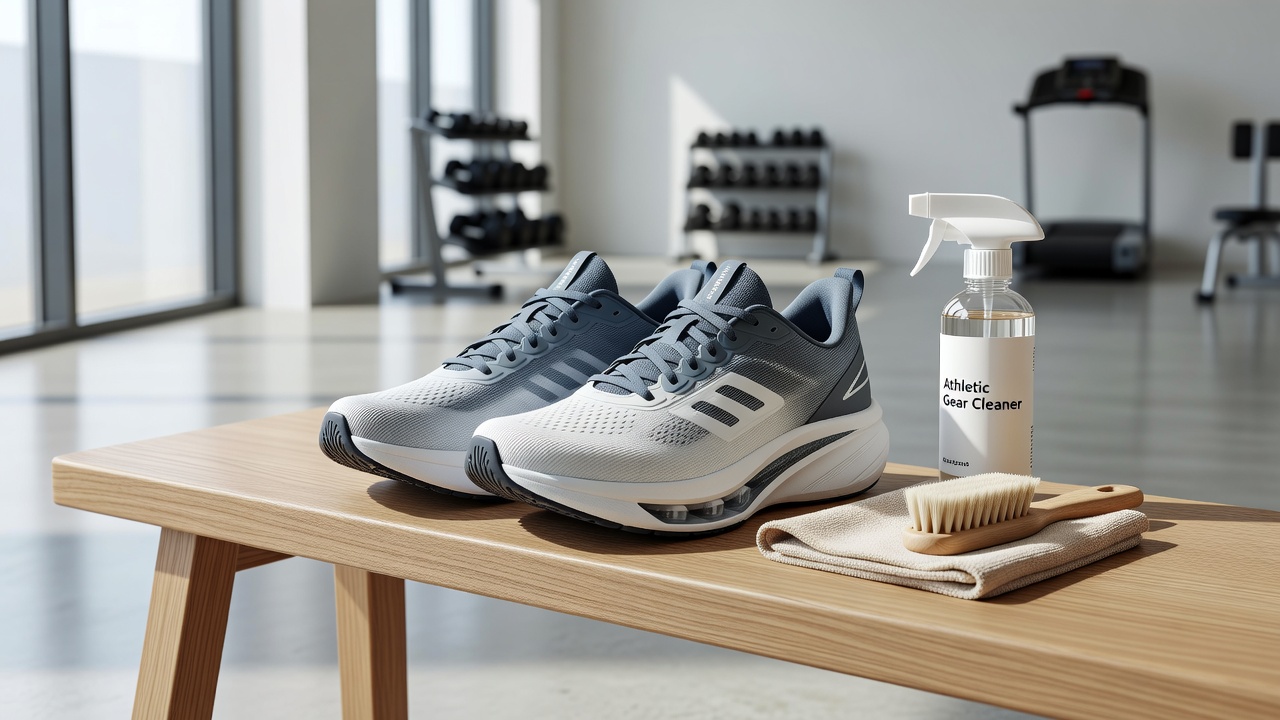
Establishing a consistent cleaning habit prevents abrasive particles from breaking down upper materials and midsoles. After every run, remove loose dirt, gravel, and grass using a soft-bristle brush dedicated to footwear. Pay special attention to the grooves in the outsole where debris accumulates most rapidly. For deeper cleaning, prepare a solution of lukewarm water and a pH-neutral soap. Dampen a microfiber cloth and gently wipe the upper, midsole, and outsole without soaking any component.
Consider an example routine for the popular Brooks Ghost 2026 edition: first brush away surface grime, then target the engineered mesh with light circular motions to lift embedded soil. Rinse the cloth frequently and avoid applying excess moisture near the heel counter or tongue. Allow shoes to air dry naturally on a ventilated rack at room temperature, never placing them near heaters, radiators, or direct sunlight that could warp adhesives or shrink foams. Repeat this process after every third run or immediately following trail sessions on muddy terrain. Runners who adopt this habit report noticeably fresher cushioning response even after 400 miles of use.
Proper Storage Techniques
Storage conditions dramatically affect the longevity of modern running shoes. Always store pairs in a cool, dry environment with moderate airflow. Avoid sealing them inside plastic bags or airtight containers that trap residual moisture and promote bacterial growth or material degradation. Instead, use the original shoebox lined with silica gel packets or opt for breathable cotton shoe bags that permit air circulation.
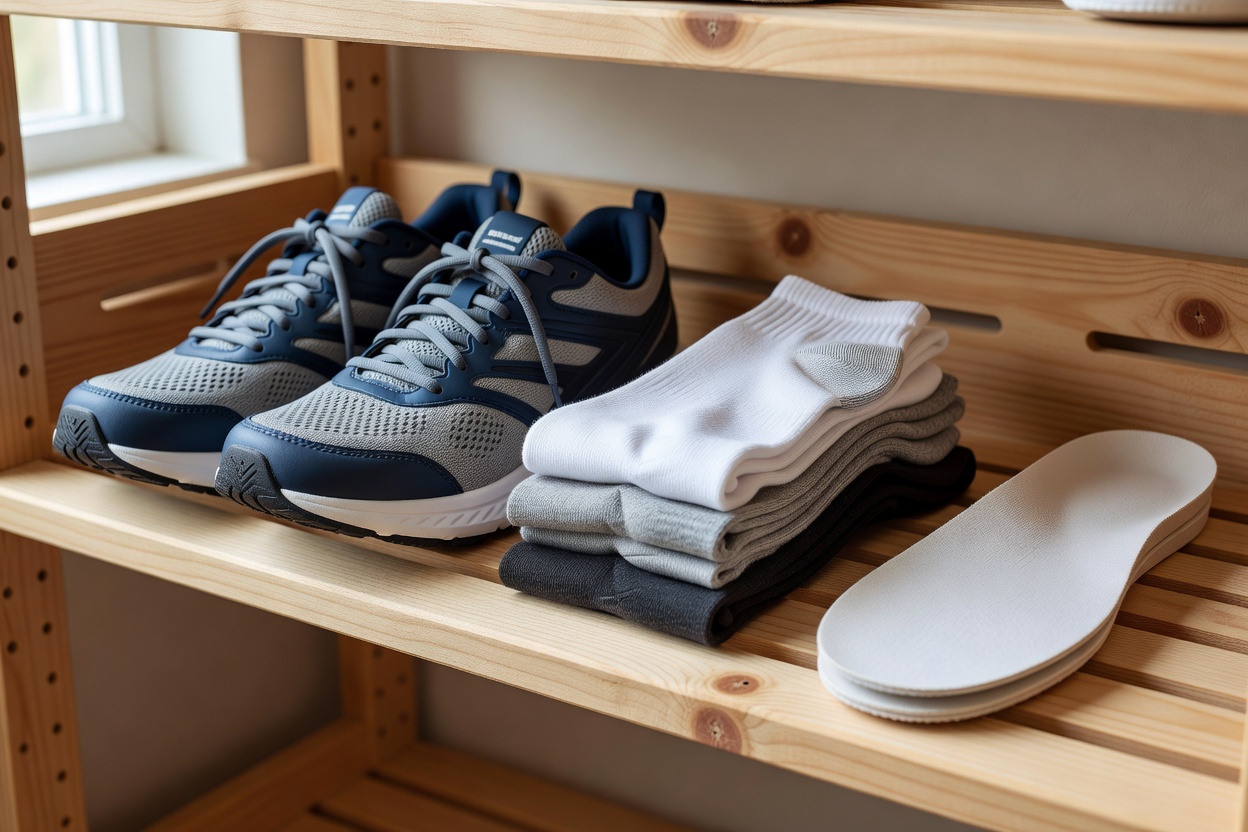
For seasonal storage lasting several months, insert rolled acid-free tissue paper inside each shoe to maintain the natural shape of the toe box and heel cup. Position stored shoes on a shelf rather than the floor to minimize exposure to dust and potential spills. Check pairs monthly for signs of mold or warping, especially in humid climates. These techniques help preserve the structural integrity of 2026 models featuring lightweight super-foams that can compress permanently if left unsupported.
Rotation Strategies Beyond Basic Injury Prevention
While many runners rotate shoes primarily to reduce injury risk, strategic rotation also optimizes material recovery and performance consistency. Maintain at least two, ideally three, distinct pairs: one designated for high-mileage easy runs, another for speed intervals and tempo sessions, and a third for race-specific efforts. Track cumulative mileage using a simple spreadsheet or running app, rotating pairs every 150 to 200 miles to allow midsoles adequate recovery time between uses.
This approach prevents premature breakdown of responsive foams found in 2026 Hoka and Nike models. For example, alternating a daily trainer with a plated racing flat distributes wear more evenly across different pressure points. Runners who implement multi-pair rotation often notice sustained energy return and reduced midsole compression even past the 500-mile mark, translating into more predictable training paces throughout a marathon build-up.
Signs of Wear Specific to 2026 Models
Recognizing early wear indicators in current-year shoes allows timely intervention before performance suffers. Monitor the midsole for slow rebound after compression tests performed by pressing firmly with a thumb. Look for visible creasing that fails to spring back within seconds. Outsole rubber often thins first in the lateral forefoot and heel strike zones on 2026 models with aggressive lugs. Upper wear appears as fraying mesh near the big toe or loosening of the heel collar padding.
- Uneven tread patterns signaling overpronation or supination issues
- Diminished responsiveness during toe-off phase of gait
- Visible separation between midsole layers after heavy use
- Persistent odors despite regular airing that indicate internal breakdown
Address these signs promptly by rotating the affected pair to lighter duties or scheduling replacement.
DIY Versus Professional Care Methods
Most maintenance tasks can be handled effectively at home with basic supplies. DIY cleaning requires only 15 minutes weekly and costs minimal ongoing expense. Minor repairs such as re-gluing small sole separations using shoe-specific adhesives extend usability between professional visits. However, professional services provide deep ultrasonic cleaning, expert resoling, and structural assessments that restore high-end models to near-original condition. Compare the two approaches: home methods foster daily awareness and immediate action, while professional care every six months suits serious runners investing in premium footwear. The choice depends on budget, time availability, and the complexity of the shoe model.
Integration with Insoles, Socks, and Holistic Gear Maintenance
Shoe longevity improves dramatically when paired with proper care of complementary items. Replace aftermarket insoles every 300 miles to maintain arch support and reduce internal friction that accelerates upper wear. Choose moisture-wicking socks made from merino wool or synthetic blends and launder them after each use to prevent bacterial transfer into the shoe lining. Periodically inspect and clean insole trays to avoid debris buildup beneath the removable footbed. This integrated system creates a protective environment that keeps the entire footwear ecosystem performing optimally across varied training conditions.
Sustainable Practices for 2026 Runners
Adopting eco-conscious habits benefits both your budget and the environment. Select biodegradable cleaning solutions and repair shoes whenever feasible instead of discarding them. Many brands now operate take-back programs that recycle worn footwear into playground surfaces or new products. Learn more about responsible running practices through authoritative sources such as Runner's World and explore brand-specific guidance at Brooks Running. Additional insights on sustainable gear are available via Nike.
Mistakes to Avoid
Common errors include machine washing shoes, which damages adhesives and foams; storing damp footwear in enclosed spaces; and ignoring early wear signals until cushioning fails completely. Overlooking sock and insole hygiene also shortens shoe life. Avoid these pitfalls by establishing a simple weekly checklist that covers inspection, cleaning, and rotation.
FAQ: Common Mistakes and Solutions
Q: Can I machine wash my running shoes? A: Experts strongly discourage machine washing because agitation and detergents degrade critical adhesives and cushioning materials; always prefer gentle hand cleaning.
Q: How often should I rotate shoes? A: Rotating every other run or every 150 miles provides optimal recovery for modern foams and significantly extends overall lifespan.
Q: What if my shoes develop persistent odors? A: Place baking soda sachets inside overnight and ensure thorough air drying after each use to neutralize smells without chemicals.
Q: Should I replace insoles at the same time as shoes? A: Yes, synchronizing replacement maintains consistent support and prevents uneven wear patterns from developing.
Conclusion
Implementing these detailed maintenance protocols empowers runners to maximize the performance and durability of their 2026 running shoes. Consistent attention to cleaning, storage, rotation, and gear integration delivers measurable cost savings and more reliable training outcomes season after season. Start today with one new habit and gradually build a complete routine that supports both your running goals and sustainable practices.
No comments yet. Be the first!