 The Runner Story
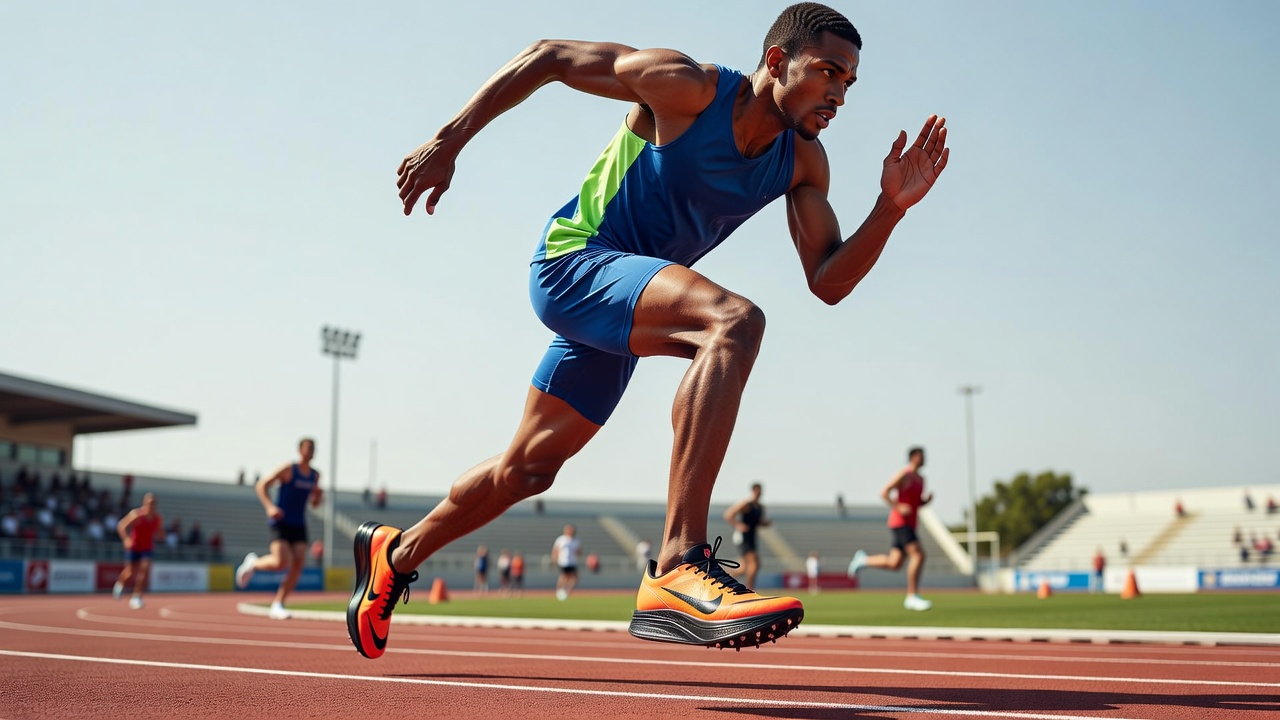
Introduction to Carbon Plate Running Shoes in 2026
Carbon-plated running shoes continue to redefine speed for competitive athletes in 2026. These advanced models incorporate a stiff carbon fiber plate that works with responsive foams to enhance propulsion and energy return during races and speed sessions. Runners targeting personal bests in 5Ks through marathons increasingly turn to this technology for measurable gains in efficiency. The technology has matured since its early adoption, with manufacturers refining plate placement, foam formulations, and outsole patterns to better suit varied foot strikes and race distances. Search interest centers on real performance data rather than marketing claims. This guide delivers fresh comparisons across brands, focusing on energy return percentages, shoe weight, and long-term durability from both controlled tests and marathon environments. Runners will find practical insights into how these shoes integrate into training cycles without causing setbacks.
How Carbon Plate Technology Improves Propulsion
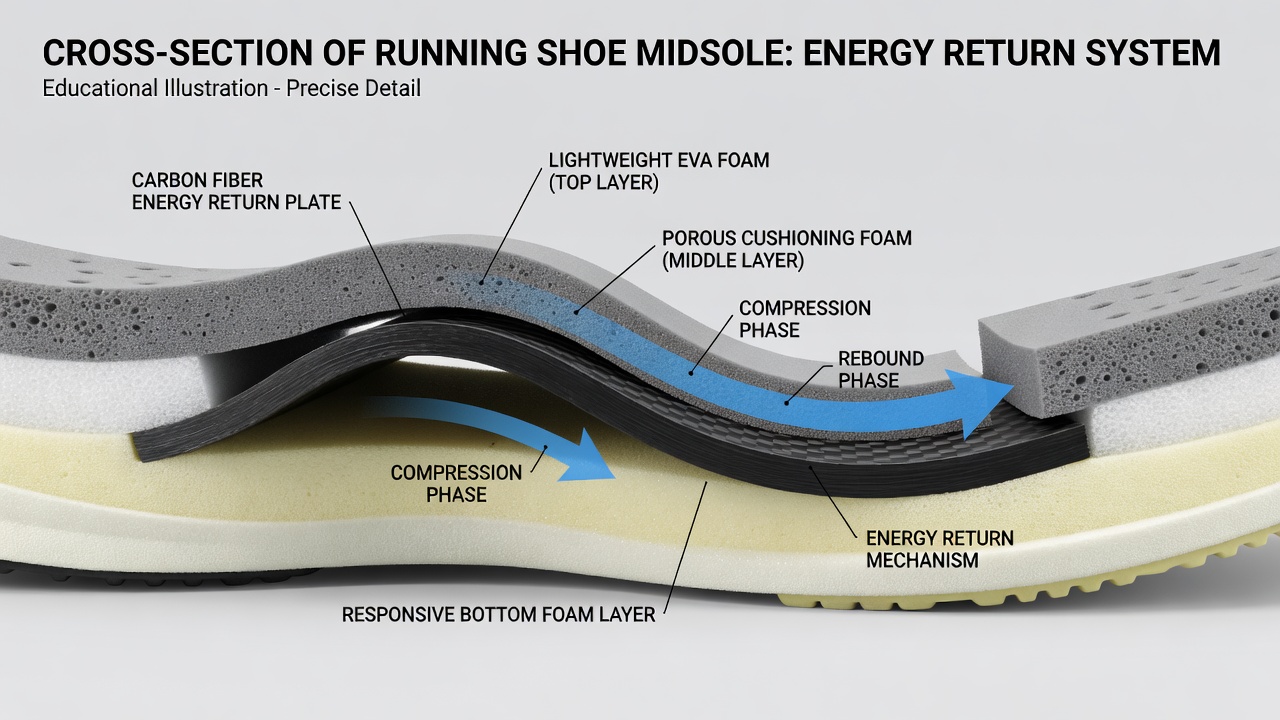
The carbon plate acts as a lever, storing elastic energy during foot strike and releasing it at toe-off. Combined with high-stack nitrogen-infused foams, modern shoes achieve energy return rates between 85% and 92% in independent lab measurements. This translates to reduced oxygen cost at race pace, allowing athletes to maintain higher speeds with less perceived effort. Plate curvature influences the timing of energy release, with forward-angled designs promoting a more aggressive toe-off that suits faster runners. Foam density plays an equally important role; softer compounds absorb impact while firmer layers maintain responsiveness over repeated strides. Athletes often notice improved cadence and reduced ground contact time, which compounds over long efforts like marathons. Understanding these mechanics helps runners select models that align with their biomechanics rather than chasing the latest release.
Key variables tested include plate geometry, foam compression rates, and outsole traction. Shoes with curved plates positioned closer to the midsole often deliver smoother transitions compared to flatter designs. Over multiple training cycles, these differences become evident in stride efficiency and muscle fatigue patterns.
2026 Lab-Style Tests: Energy Return, Weight, and Durability
Controlled treadmill and force-plate testing reveals clear differences. Top models from Nike, Adidas, and Saucony show energy return above 88%, while mid-tier options sit closer to 82%. Weight remains critical: elite racers average 180-220 grams per shoe in size 9, balancing protection with speed. Durability assessments after 300 kilometers of mixed training show foam resilience varies. Premium models retain 75% of original energy return, whereas value-oriented plates drop to 65%. Real-world abrasion on roads further influences outsole longevity, especially in wet conditions where grip compounds degrade faster. Additional tests measure vertical oscillation and braking forces, highlighting how plated shoes reduce energy loss during deceleration phases of each stride. Runners can replicate simplified versions of these insights by tracking pace consistency on repeated intervals before and after introducing a new model.
Model Comparisons Across Major Brands
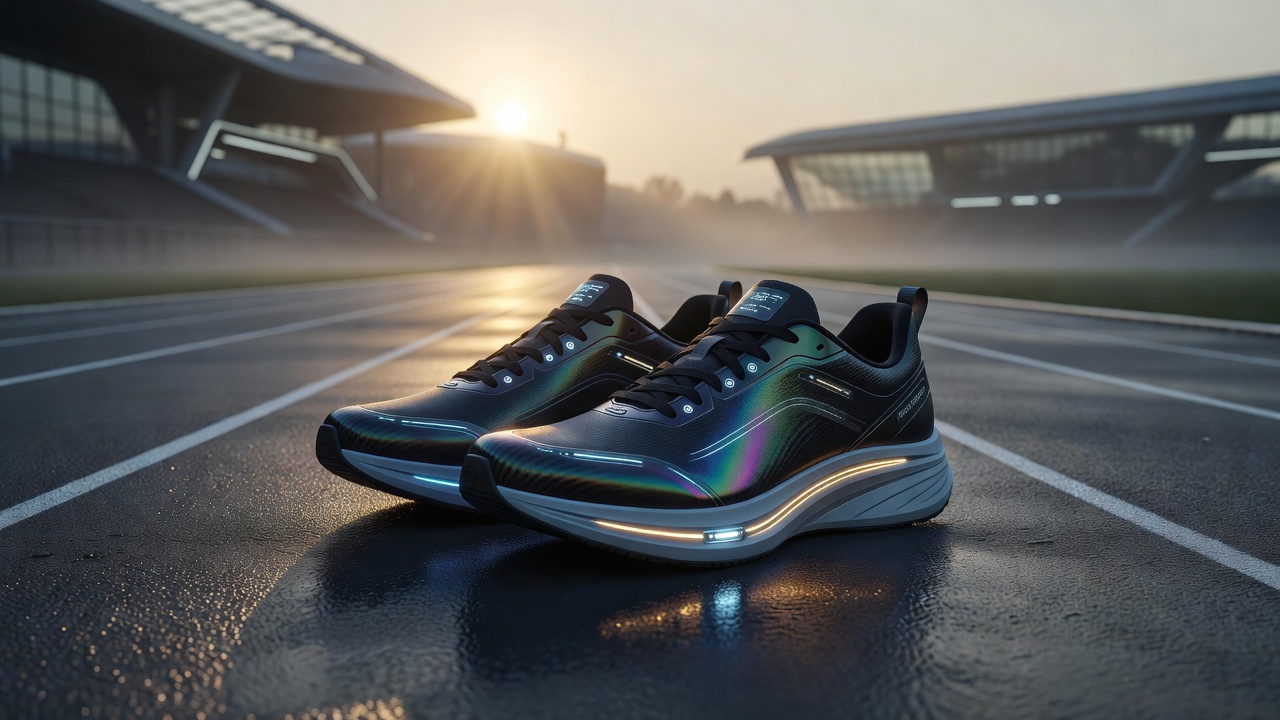
Nike Vaporfly 3 continues to lead in propulsion metrics, followed closely by Adidas Adizero Adios Pro 3. Saucony Endorphin Pro 4 offers strong value with comparable energy return at a lower price point. Hoka Rocket X 2 provides a wider fit for runners needing stability without sacrificing speed. Brooks Hyperion Elite and Asics Metaspeed Sky further expand options, with the former emphasizing cushioning for high-mileage athletes and the latter optimizing for different stride lengths through adjustable plate stiffness. Each model excels in different race distances. Vaporfly shines in half-marathons, while Adios Pro 3 delivers consistent results over 42 kilometers. Runners should consider upper breathability and heel lockdown when comparing fits, as these factors affect comfort during prolonged efforts.
Real-Runner Case Studies from Marathons
Marathon participants wearing plated shoes in 2025-2026 events reported average time improvements of 2-4% versus non-plated trainers. One sub-3-hour runner noted a 7-minute personal best after switching mid-training cycle, attributing gains to improved cadence and reduced leg fatigue. Another case involved a masters athlete who integrated plated shoes only on long runs above 25 kilometers, achieving better recovery between sessions. A third example comes from a trail-to-road transition runner who used plated shoes selectively on flat marathon sections, preserving energy for hilly portions. These stories illustrate that success depends on gradual adaptation and matching shoe characteristics to individual goals and body types rather than universal application.
Step-by-Step Guidance: Introducing Plated Shoes into Training
- Start with one speed workout per week at 5K to 10K pace to assess adaptation. Begin with shorter intervals and monitor how the plate affects stride mechanics over the first three sessions.
- Progress to long runs after four weeks, limiting initial distance to 16 kilometers. Gradually increase by 3-5 kilometers each subsequent long run while tracking perceived exertion.
- Monitor for calf or Achilles tightness and reduce volume if discomfort arises. Incorporate targeted mobility drills and eccentric strengthening exercises three times weekly to build resilience.
- Reserve full race use for events after 8-10 total sessions in the shoes. Test the exact race-day pair on a dress rehearsal run of at least 10 kilometers to confirm no hot spots develop.
Value for Money Versus Premium Pricing
Premium models command higher costs due to advanced foams and plate engineering. Value alternatives deliver 80-85% of the performance at roughly 60% of the price. Runners logging fewer than four races per year often find mid-range options sufficient, while elites benefit from the marginal gains of flagship shoes. Evaluating cost per kilometer over the shoe lifespan provides clearer perspective than initial purchase price alone. Many athletes rotate two pairs to extend overall durability and maintain consistent performance across training blocks.
Common Mistakes to Avoid
- Overusing plated shoes in daily training, which accelerates wear and diminishes the freshness needed for key sessions.
- Ignoring fit differences between brands, leading to blisters on race day due to inadequate break-in time.
- Skipping strength work, as the stiff plate demands greater lower-leg stability and can expose weaknesses in the posterior chain.
- Neglecting weather-specific traction; some outsoles lose grip in rain, affecting safety on technical courses.
Choosing Shoes for Different Race Distances
Shorter events like 5Ks reward lighter, more aggressive plates, while longer distances benefit from additional cushioning layers that protect against cumulative impact. Half-marathon runners often prefer balanced models that offer both responsiveness and moderate stack height. Experimentation during tune-up races helps identify the optimal match before championship events.
FAQ
How long do carbon-plated shoes last?
Most retain performance benefits for 250-400 kilometers depending on runner weight and terrain. Regular rotation with non-plated trainers extends usability.
Do they increase injury risk?
Studies from major running organizations show no elevated injury rates when introduced gradually; proper strength training mitigates potential strain. Always consult a coach or physical therapist for personalized assessment.
Can beginners use them?
They suit intermediate runners with established mileage; beginners should first build a base in traditional trainers before considering plated options.
Are there regulations for plated shoes in races?
World Athletics maintains stack height and plate rules; check current guidelines before major competitions to ensure compliance.
Conclusion
Carbon-plated shoes in 2026 offer proven speed advantages when matched to individual training needs and race goals. By understanding lab metrics, testing models thoughtfully, and following progressive integration, runners can maximize benefits while protecting long-term durability and health. Explore authoritative resources at Runners World, World Athletics, and Mayo Clinic for ongoing updates on shoe regulations and performance research.
No comments yet. Be the first!