 The Runner Story
Introduction: Real Results from Gear Upgrades in 2026
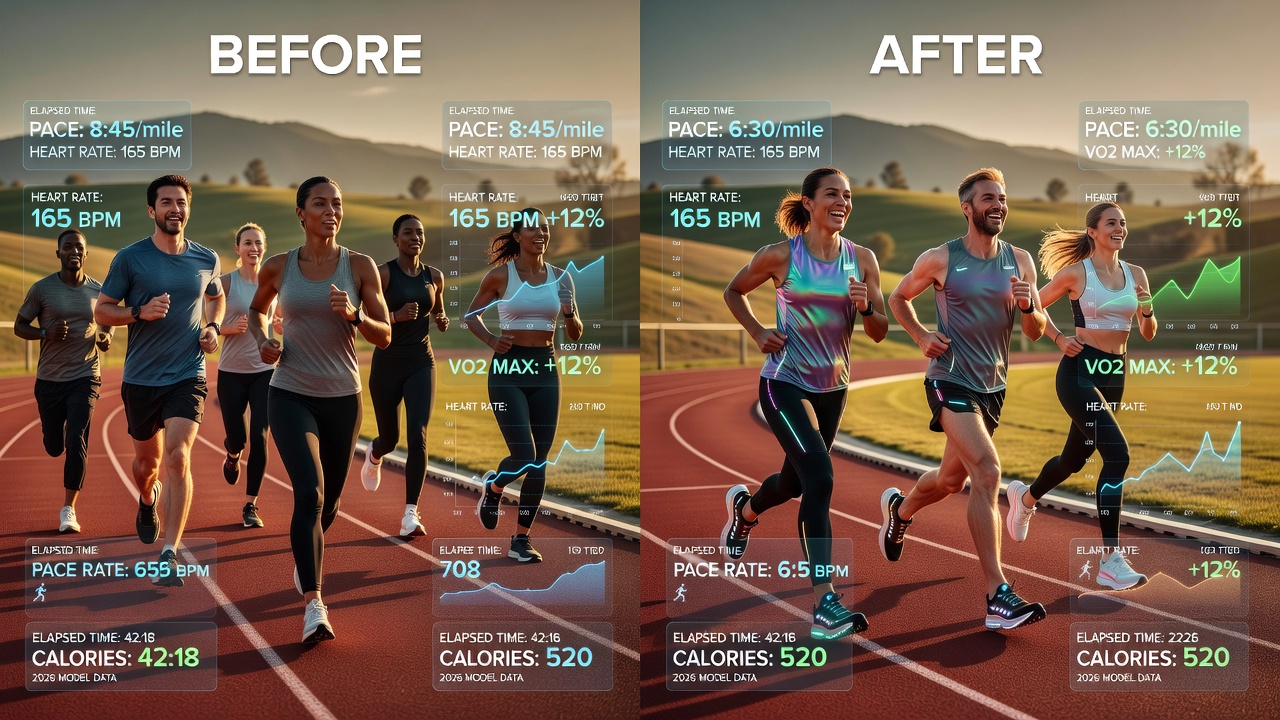
Many runners seek tangible improvements rather than hype. In 2026, several everyday athletes documented measurable gains after switching running shoes, apparel, and accessories. These case studies highlight before-and-after comparisons, tracking methods, and transition hurdles, offering practical guidance for those considering similar changes. Performance metrics such as pace per mile, injury rates, and recovery times improved across the examples. Runners used apps and wearables to capture objective data, moving beyond subjective feelings. The focus remains on data-driven outcomes that everyday athletes can replicate through careful selection and monitoring.
Understanding how specific gear upgrades affect biomechanics and endurance helps runners make informed decisions. Factors like cushioning levels, weight distribution, and breathability play key roles in long-term success. This article examines five detailed profiles spanning road, trail, and ultra distances to show patterns that emerge when upgrades align with individual needs.
Case Study 1: From Stability Shoes to Carbon-Plated Racers
Profile: 38-year-old recreational marathoner running 30 miles weekly. Previous gear included basic stability shoes paired with cotton socks that offered minimal moisture management. New setup featured carbon-plated daily trainers combined with lightweight, ventilated apparel layers. The runner noted immediate differences in energy return during tempo sessions.
Timeline: Transition began in January 2026 with a two-week adaptation phase of shorter runs. After eight weeks, average pace improved by 12 seconds per mile on long efforts. Injury count dropped from two minor issues to zero over six months of consistent training. Recovery between sessions shortened noticeably due to reduced impact forces.
Before-and-after comparisons showed clearer stride efficiency on race day. The runner tracked splits using a GPS device and compared monthly averages to identify steady progress. Challenges included adapting to a firmer feel underfoot, which resolved after targeted strength work for calves and ankles.
Case Study 2: Trail Runner Adds Supportive Apparel
Profile: 29-year-old trail enthusiast logging 25 miles weekly on varied terrain. The shift moved from generic shorts and basic tees to compression options with integrated storage and moisture-wicking fabrics designed for extended outings.
Before-and-after results included quicker paces on technical trails and fewer blister or chafing incidents. The new layering system helped maintain consistent body temperature during elevation changes. Initial adjustment to the compression fit took two weeks but ultimately supported better muscle recovery.
Tools used included a heart rate monitor and route-mapping software that provided clear metrics on effort versus output. Data logs revealed reduced variability in heart rate during climbs after the apparel change. This upgrade proved especially useful during longer weekend efforts where comfort directly influenced sustained performance.
Case Study 3: Beginner Transitions to Cushioned Models
Profile: 45-year-old new runner starting at 15 miles per week. Upgraded from basic sneakers to highly cushioned shoes with supportive insoles and added reflective apparel for visibility during early morning sessions.
Results emphasized injury prevention, with no knee discomfort reported after the change. Pace gains emerged gradually over four months as form improved alongside the new cushioning. The runner incorporated a simple smartphone app for logging weekly distances and noted consistent increases in total volume without setbacks.
Periodic gait analysis helped refine stride mechanics. The combination of better shock absorption and breathable apparel reduced overheating on warmer days. This case illustrates how foundational upgrades can build confidence for those entering the sport later in life.
Case Study 4: Ultra Runner Refines Layering System
Profile: 52-year-old ultra-distance athlete covering 40-plus miles weekly. Replaced older jackets with advanced breathable shells and added modular hydration accessories suited for multi-hour efforts.
Measurable outcomes included reduced overheating during long efforts, leading to better overall times in training blocks. Recovery improved due to less chafing and superior temperature regulation across changing weather conditions. The refined system allowed focus on nutrition rather than discomfort.
Challenges overcome involved several sizing trials and weather-specific testing over multiple outings. Gradual integration prevented overwhelm and ensured each piece performed reliably in race simulations. Data from wearable sensors confirmed lower perceived exertion on repeated long runs.
Case Study 5: Road Runner Incorporates Recovery-Focused Accessories
Profile: 33-year-old half-marathon specialist averaging 35 miles weekly. Added targeted compression sleeves and upgraded to lighter racing flats for speed sessions while maintaining daily trainers for volume work.
Before-and-after metrics showed improved leg freshness on back-to-back training days. Pace consistency increased during interval workouts, and post-run soreness decreased. The runner paired the accessories with a basic training log app to correlate gear use with recovery scores.
Timeline spanned six weeks of mixed use before full adoption. Minor fit issues with sleeves were addressed by selecting proper sizing, allowing uninterrupted training cycles. This example highlights how accessories complement primary shoe changes for compounded benefits.
Tracking Tools and Data Collection Methods
Common tools across studies included GPS watches, heart rate straps, and cloud-based training platforms. These allowed precise logging of pace, elevation, and perceived effort. Runners cross-referenced data with periodic professional assessments for accuracy. Weekly reviews of pace averages, injury timestamps, and recovery trends helped identify which upgrades delivered the strongest returns.
Many also incorporated simple spreadsheets to compare monthly trends. This approach turned subjective impressions into quantifiable insights that guided future purchases. Consistent data collection remains essential for replicating success across different runner profiles.
Challenges During Gear Transitions
Common hurdles involved break-in periods causing temporary discomfort and the need to adjust running form slightly. Budget considerations and finding the right fit required patience. Many overcame these by gradual introduction of new items rather than full immediate swaps. Weather variability and terrain differences further tested new gear, yet systematic testing minimized setbacks.
Listening to body feedback and adjusting lacing techniques or layering order proved effective strategies. Runners who documented issues early avoided prolonged adaptation struggles.
Practical Steps for Replicating Results
- Assess current gear limitations through a detailed training log spanning at least four weeks.
- Research models suited to your foot type, typical terrain, and weekly mileage using resources from established running organizations.
- Test new items on shorter runs first while monitoring immediate feedback on comfort and pace.
- Monitor key metrics consistently for at least six weeks before evaluating full impact.
- Consult a specialist such as a physical therapist or running store fitter if persistent issues arise during transition.
- Combine shoe changes with complementary apparel upgrades for synergistic effects on temperature and support.
Following these steps in sequence helps minimize risk while maximizing measurable gains.
Conclusion
These 2026 case studies demonstrate that targeted gear changes can yield real performance benefits when paired with data tracking. Everyday runners achieved faster paces and reduced injuries through thoughtful upgrades. Consider your own needs and test methodically for similar gains. Additional guidance appears on sites such as World Health Organization regarding physical activity benefits and Centers for Disease Control and Prevention for injury prevention strategies.
FAQ
How long does it take to see results from new shoes?
Most runners notice differences within four to eight weeks when tracking consistently and allowing proper adaptation time.
Are expensive upgrades necessary for improvement?
Not always. Mid-tier options often deliver strong value when matched to individual biomechanics and training demands.
Can beginners apply these lessons effectively?
Yes, starting with supportive basics and progressing gradually works well for new runners entering the sport.
What role does apparel play alongside shoe changes?
Apparel upgrades frequently enhance comfort, reduce chafing, and support temperature control, amplifying the benefits of new footwear.
How should runners handle initial discomfort during transitions?
Introduce items slowly, adjust fit as needed, and monitor for persistent issues that may require professional input.
No comments yet. Be the first!