 The Runner Story
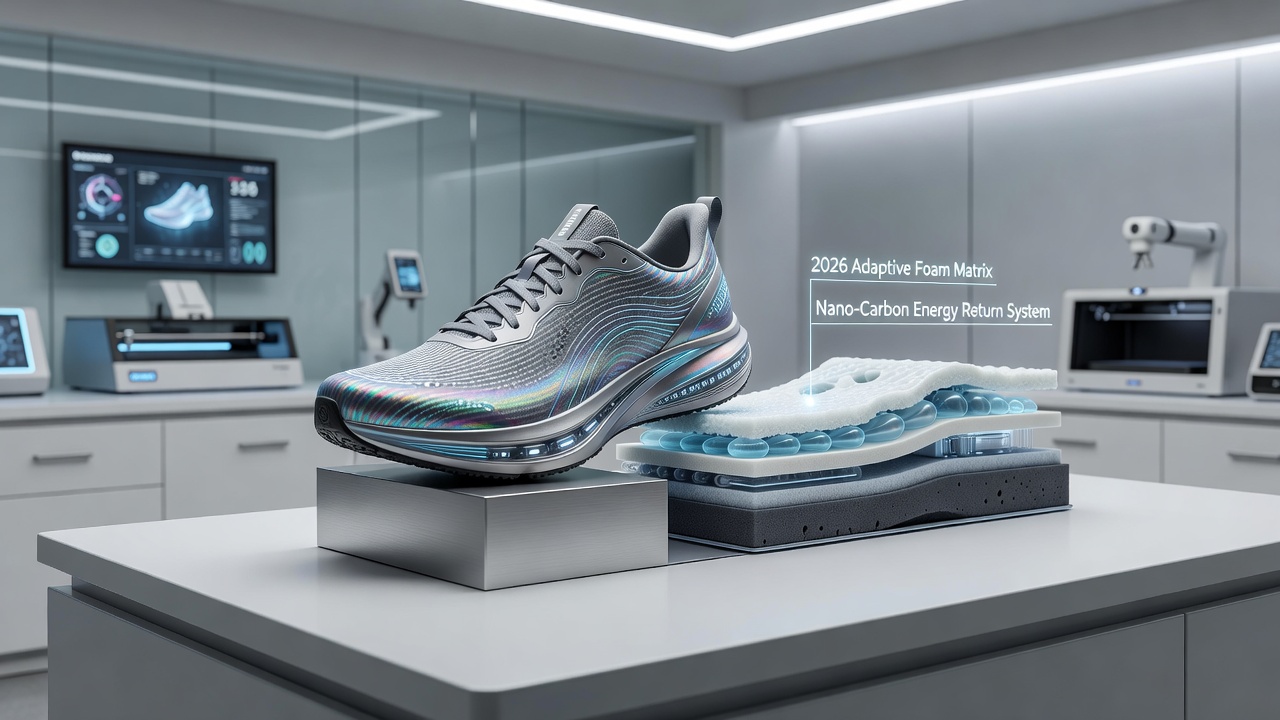
Introduction to Running Shoe Cushioning in 2026
Intermediate runners constantly seek ways to improve performance and reduce injury risk through better running shoes and running gear. In 2026, cushioning technology has evolved significantly, incorporating advanced materials that balance comfort, energy return, and durability. This article dives deep into the science behind these innovations, drawing from lab studies and practical testing to help you make informed choices for your daily runs and recovery. Understanding these developments allows runners to optimize training loads while minimizing downtime from common ailments. The focus remains on how specific foam technologies interact with biomechanics to deliver measurable benefits over hundreds of miles.
Advanced Foam Materials and Their Properties
Modern running shoes rely on sophisticated foams like supercritical nitrogen-infused EVA, PEBA-based compounds, and proprietary multi-density blends from major brands. These materials offer superior shock absorption compared to traditional options by creating microscopic air pockets that compress under load and recover rapidly. For instance, the latest iterations provide enhanced resilience, allowing the shoe to compress and rebound efficiently during each stride without bottoming out. This directly influences how running gear supports longer training sessions without excessive fatigue. Additional layers often include thermoplastic polyurethane reinforcements that maintain structural integrity even after repeated impacts on pavement or trails. Runners benefit from foams that adapt to temperature variations, preventing the stiffness that plagued older materials in cold conditions.
Key Material Innovations
Supercritical foaming processes create uniform cell structures that maximize both cushioning and responsiveness. These advancements reduce weight while increasing durability, making them ideal for intermediate runners progressing to higher weekly mileage.
Impact on Energy Return and Efficiency
Energy return is a critical metric in 2026 cushioning tech. Foams engineered with specific cell structures can return up to 80-85% of the energy input, propelling runners forward with each step. Studies highlight how this reduces the metabolic cost of running by improving stride efficiency. NIH research on biomechanics shows measurable improvements in running economy when using high-return foams. Intermediate runners often notice smoother transitions from heel strike to toe-off, making runs feel less taxing over time. The physics involves elastic deformation where stored energy is released in a controlled manner, aligning with the runner's natural gait cycle to conserve effort during long efforts.
Injury Prevention Through Better Cushioning
Effective cushioning plays a key role in mitigating common injuries like shin splints and plantar fasciitis. By distributing impact forces more evenly across the foot, advanced running shoes help maintain proper form over time. Recent data indicates that runners using optimized cushioning experience fewer overuse injuries during high-volume training periods. Practical examples include transitioning to maximalist shoes for recovery runs, which can accelerate healing while maintaining mileage. The mechanism involves attenuating peak ground reaction forces, which protects joints and connective tissues from cumulative stress. Runners with pronation issues particularly benefit from asymmetric cushioning designs that guide the foot into neutral alignment.
Real-World Testing of Popular Models
Testing popular 2026 models reveals distinct performance differences across surfaces and distances. Shoes with responsive foams excel in speed workouts by providing quick rebound, while softer compounds shine in long-distance efforts by reducing muscle vibration. Runners report improved stability on varied terrain, with some noting enhanced proprioception that aids balance during trail segments. These tests underscore the importance of matching cushioning profiles to individual gait patterns and preferences, often involving wearable sensors to quantify force distribution and stride length changes.
Comparisons of Tech Features Across Brands
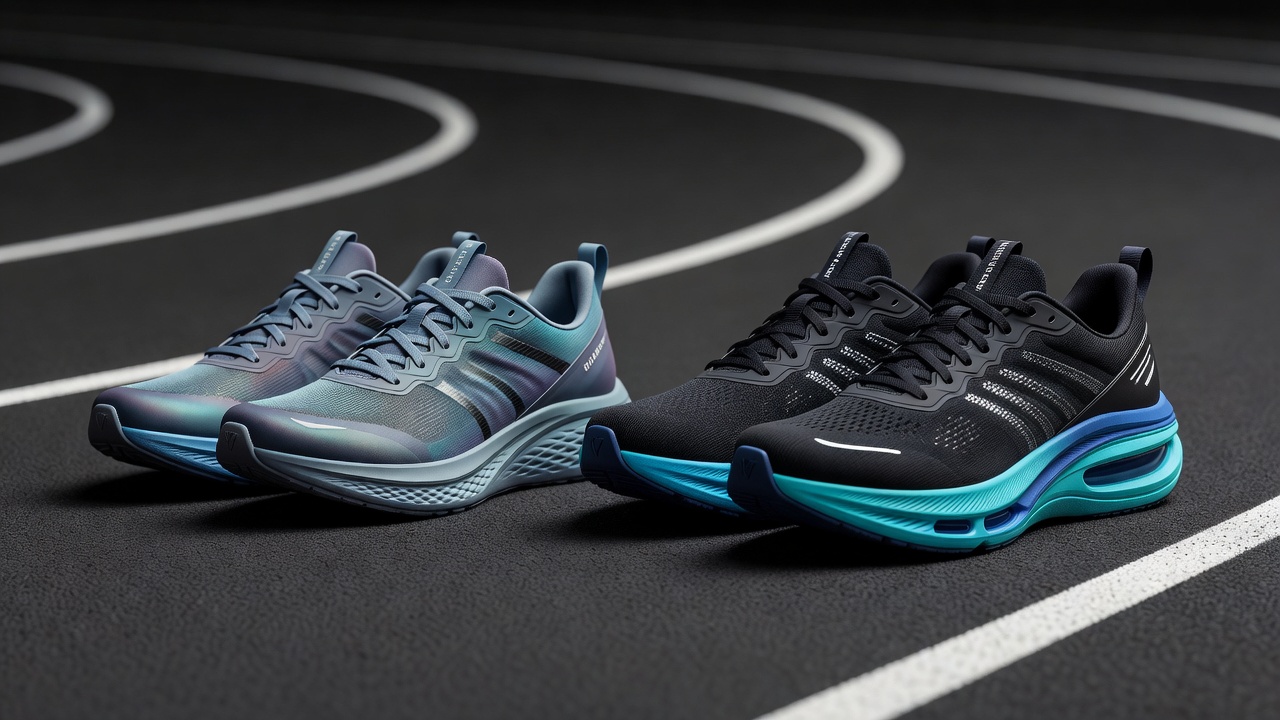
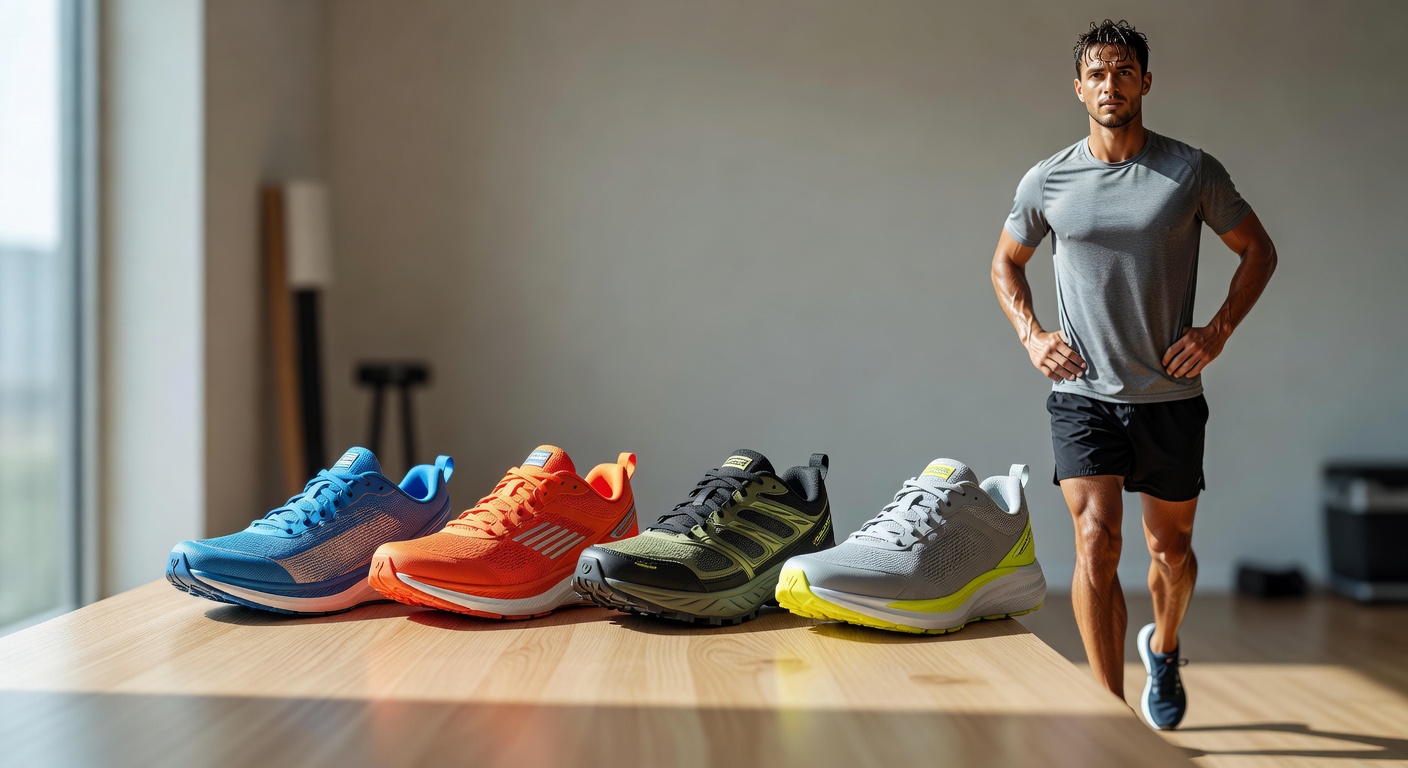
Brands differentiate their running gear through unique approaches: some prioritize lightweight responsiveness via single-layer high-rebound foams, others focus on plush durability with stacked multi-density constructions. Key comparisons involve stack height variations from 25mm to 40mm, foam density measured in grams per cubic centimeter, and integration with carbon-fiber plates or nylon rods for propulsion. For example, certain models combine multiple foam layers for tailored performance, offering better value for intermediate runners seeking versatility across daily training and races. One brand emphasizes eco-friendly recycled content without compromising rebound properties, while another integrates adaptive gel pods in high-impact zones.
Data from Recent Lab Studies
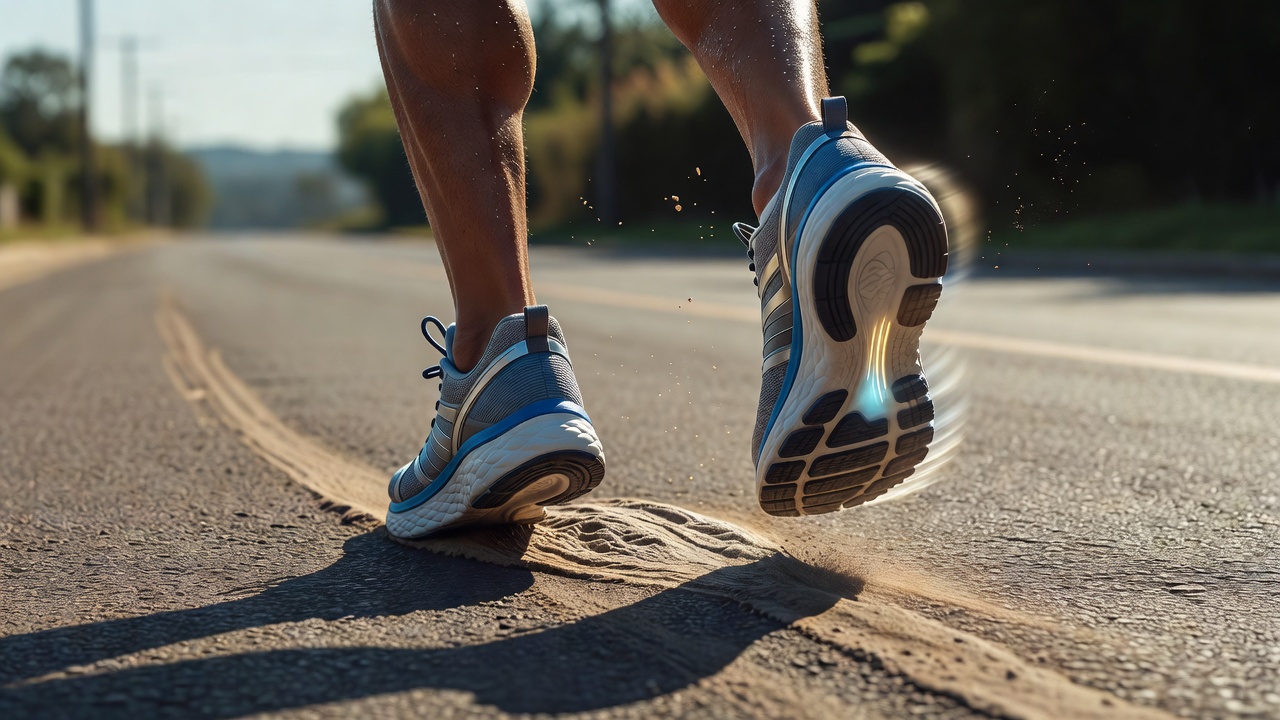
Lab analyses in 2026 emphasize durability metrics and energy metrics under repeated loading cycles simulating 500 miles of use. Nature publications on material science demonstrate how new polymers resist compression set better than predecessors, retaining over 90% of initial energy return after extensive testing. This data helps predict how running shoes will perform after hundreds of miles, guiding purchase decisions based on longevity rather than initial feel alone. Additional findings from gait labs show correlations between foam hardness and peak tibial acceleration, providing quantifiable evidence for injury risk reduction strategies.
Practical Examples: Daily Runs and Recovery
Consider a runner logging 40 miles weekly on mixed surfaces: a shoe with high-energy-return cushioning can make tempo runs feel faster and reduce next-day soreness by limiting eccentric muscle loading. For recovery, softer midsoles absorb more impact, aiding muscle repair and allowing consistent training without extended rest. Experimenting with rotation—using firmer shoes for speed sessions and plusher ones for easy days—optimizes adaptation and prevents plateaus. Another example involves a runner recovering from mild Achilles tendinopathy who switched to maximal cushioning for all runs, noting a 30% reduction in discomfort within two weeks while maintaining base mileage. These examples illustrate how cushioning tech translates to tangible benefits in real training cycles, including faster recovery between hard efforts and improved consistency leading to personal bests.
Choosing Cushioning Based on Gait and Foot Type
Intermediate runners should assess their pronation and arch height before selecting models. Neutral gaits pair well with balanced responsive foams, whereas overpronators may need medial posting combined with soft cushioning to control motion. Testing in-store with a treadmill analysis or using at-home wet test methods helps match technology to individual biomechanics, ensuring the chosen running shoes enhance rather than hinder natural movement patterns.
FAQ on Durability and Value
- How long does advanced cushioning last? Most 2026 foams maintain performance for 300-500 miles before significant degradation, depending on runner weight, surface type, and storage conditions.
- Is premium cushioning worth the investment? For intermediate runners, the injury prevention and performance gains often justify the cost through extended training consistency and reduced medical expenses over a season.
- Can cushioning tech replace strength training? No, it complements but does not replace targeted exercises for foot and leg resilience that build intrinsic muscle strength.
- What about sustainability in new foams? Many brands now incorporate recycled materials without sacrificing key properties like energy return or longevity.
- How does cushioning affect hot weather runs? Advanced open-cell foams promote better breathability, reducing heat buildup and sweat accumulation during summer training.
Conclusion
Understanding the science of running shoe cushioning empowers intermediate runners to select running gear that enhances performance and safeguards against injury. By focusing on material innovations, testing insights, lab data, and practical application across various scenarios, you can elevate your training in 2026 and beyond. Experiment mindfully with different models while tracking how your body responds to find the ideal fit for your goals and running style.
No comments yet. Be the first!