 The Runner Story

Introduction: Why Creativity Fuels Running Motivation
Running is more than physical exercise—it is a powerful catalyst for creative thinking that can transform your entire fitness journey. In 2026, many runners seek holistic approaches beyond basic training plans, turning to the synergy between endorphins released during runs and free-flowing thoughts that spark innovative ideas. This connection reinforces commitment to fitness goals by making each session mentally rewarding. Research from institutions like the National Institutes of Health highlights how aerobic activity boosts cognitive flexibility, helping sustain motivation over years rather than weeks. Runners who integrate creative practices often report higher adherence rates because the mental stimulation turns routine workouts into meaningful experiences that support both body and mind.
Whether you are a beginner or seasoned athlete, integrating creativity prevents plateaus and burnout. The modern fitness landscape emphasizes longevity, and creative running provides a sustainable edge by linking physical progress with intellectual growth. This article examines the mechanisms in depth, offers practical techniques with variations, shares multiple runner case studies, compares solo and guided approaches with detailed pros and cons, and provides expanded step-by-step prompts plus a comprehensive FAQ to overcome common barriers for lasting engagement.
The Science-Backed Connection Between Creativity and Running
During a run, the brain releases endorphins and increases blood flow to areas responsible for idea generation. This state, often called the “runner’s high,” reduces mental blocks and encourages divergent thinking. Studies show that moderate-intensity runs lasting 30–45 minutes optimize alpha brain waves associated with creativity. The result is a positive feedback loop: creative insights during runs make returning to the activity more appealing, anchoring long-term fitness habits. Endorphins interact with dopamine pathways to enhance mood and idea fluency, allowing runners to solve complex problems subconsciously while the body maintains steady movement.
Free-flowing thoughts emerge naturally as the body settles into rhythm, allowing problems from work or life to resolve subconsciously. This mental clarity strengthens resolve when motivation dips, turning running into a holistic wellness tool rather than a chore. Additional physiological benefits include reduced cortisol levels, which clears the path for imaginative thinking. Over time, consistent runners develop stronger neural connections between physical exertion and creative output, making the practice a reliable strategy for sustained motivation well into 2026 and future years.
Practical Techniques to Harness Creativity on the Run
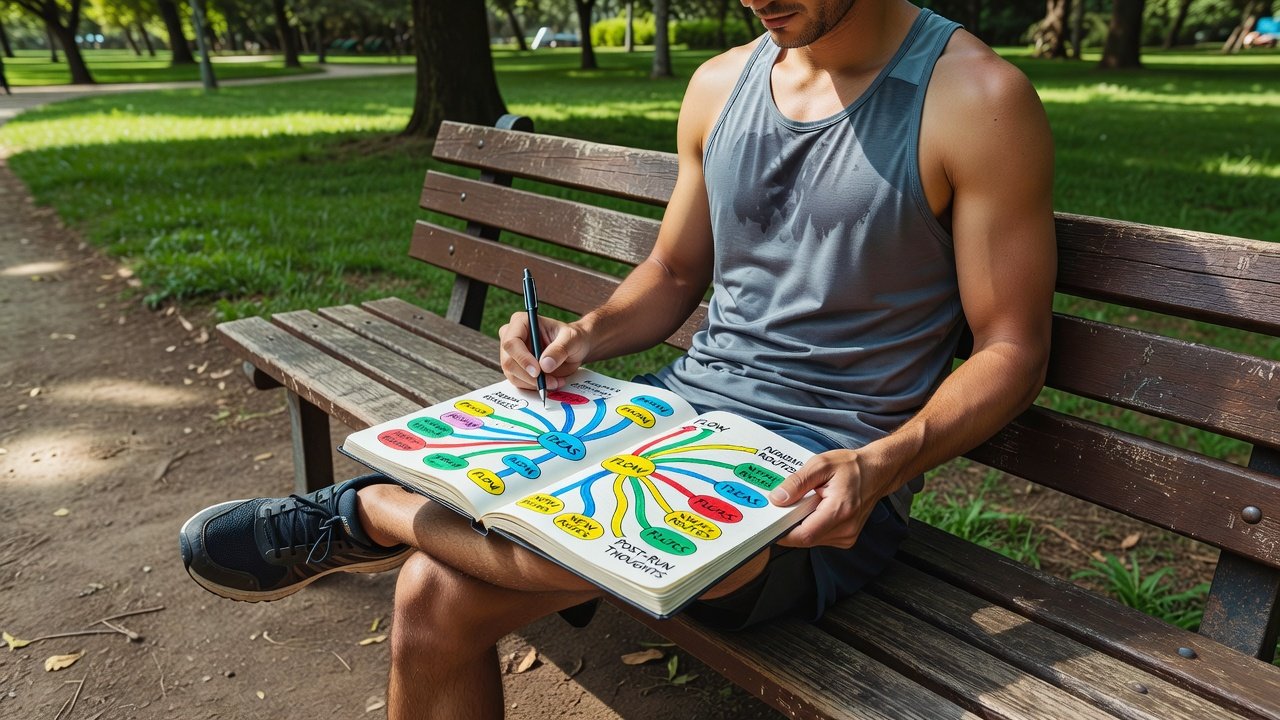
Post-run mind-mapping is one of the most effective methods. After finishing your route, spend 10 minutes jotting down ideas that surfaced, connecting them visually on paper or a digital tool. Another approach involves intentional prompts before heading out, such as focusing on a specific challenge and letting the run generate solutions. Variations include pairing runs with thematic music playlists designed to evoke certain emotions or using voice memos to capture fleeting thoughts without breaking stride.
Breathing exercises combined with visualization further amplify results. Try alternating between focused attention on form and open awareness of surroundings to balance structure with spontaneity. Advanced runners sometimes incorporate sensory grounding techniques, noting textures, sounds, and smells to stimulate different creative centers. These methods can be adapted for different terrains, from urban streets to nature trails, ensuring flexibility across various fitness levels.
Real-World Examples from Runners Who Turned Creative Breakthroughs into Habit Anchors
Consider Sarah, a marketing professional who used evening runs to brainstorm campaign ideas. One breakthrough during a 5K loop led to a viral concept that earned her a promotion; she now credits those runs with sustaining her marathon training for three consecutive years. Similarly, marathoner Jamal transformed solo trail runs into podcast scripting sessions, resulting in a popular show that grew his running community and kept him accountable through injury recovery. These examples demonstrate how creative output directly feeds back into motivation.
Another case involves Elena, a teacher who solved curriculum design challenges during morning runs and later published a book based on those insights, using the royalties to fund race entries. David, a software engineer, developed app prototypes while logging miles and attributed his startup success to the clarity gained from consistent creative running. Each story shows that linking creativity to fitness creates powerful personal anchors that withstand life’s disruptions and promote multi-year consistency.
Solo Creative Runs vs. Guided Sessions: A Comparison
Solo runs offer maximum freedom for unstructured thought, ideal for deep problem-solving and personal reflection. They allow complete control over pace and route, fostering uninterrupted idea flow. In contrast, guided sessions—such as those led by apps with creative prompts or group runs with themed discussions—provide structure that benefits beginners or those prone to distraction. Guided formats often include built-in accountability and social elements that boost adherence for some personalities.
Many runners find a hybrid approach works best: three solo creative runs per week paired with one guided session. This balance maximizes both innovation and social motivation while supporting sustained engagement into 2026 and beyond. Key considerations include time of day, terrain preference, and current fitness goals when deciding between the two styles.
Step-by-Step Prompts for Incorporating Creativity into Your Runs
- Choose a 30-minute easy run and set an intention, such as “generate ideas for my next project.”
- Begin with 5 minutes of mindful breathing to clear mental clutter and prime the mind for openness.
- Allow thoughts to wander freely; note any insights without judgment while maintaining comfortable pacing.
- Experiment with sensory prompts, such as focusing on colors or sounds, to trigger additional creative pathways.
- Immediately after the run, spend 10 minutes mind-mapping or voice-recording key ideas for later review.
- Review the map weekly and link one insight to a fitness milestone, like completing a longer distance or improving pace.
- Adjust prompts monthly to align with evolving goals, ensuring continued relevance and preventing stagnation.
- Track progress in a dedicated journal to identify patterns and refine your personal creative-running system over time.
Mistakes to Avoid When Blending Creativity and Running
One common pitfall is forcing ideas instead of allowing natural flow, which can lead to frustration and reduced enjoyment. Another mistake involves neglecting recovery, as pushing too hard physically can diminish the mental clarity needed for creativity. Runners should also avoid comparing their creative output to others, focusing instead on personal growth. Finally, inconsistent scheduling undermines results—treat creative runs like important appointments to build lasting momentum.
FAQ: Addressing Common Barriers to Creative Running
How do I stay focused if my mind wanders negatively?
Reframe wandering thoughts by gently redirecting to a neutral prompt like “What color is the sky today?” This maintains flow without frustration and keeps the session productive.
Is creativity useful for beginners?
Absolutely. Beginners benefit most because creative rewards accelerate habit formation before physical results appear, creating early wins that encourage continuation.
What if I have no ideas during runs?
Consistency matters more than instant results. Start with shorter runs and repeat the same route to reduce cognitive load, allowing ideas to emerge gradually over weeks.
Can this approach help with injury recovery?
Yes—many runners use creative visualization during cross-training to maintain motivation and plan return-to-run strategies effectively.
Should I run with music or podcasts?
Experiment based on goals. Silence often maximizes free-flowing creativity, while curated audio can provide gentle prompts for specific themes.
How long until I notice benefits?
Most runners report noticeable motivation improvements within two to four weeks of consistent practice, with deeper creative integration developing over several months.
Conclusion: Building a Creative Fitness Future
By blending creativity with running, you create a self-reinforcing cycle of motivation that supports lifelong fitness. The techniques, examples, comparisons, prompts, and FAQs shared here provide a complete framework for 2026 and beyond. Start today with one intentional run and watch your commitment deepen as both physical and mental rewards compound over time.


No comments yet. Be the first!