 The Runner Story
Introduction: Why AI Coaching Matters for Runners in 2026
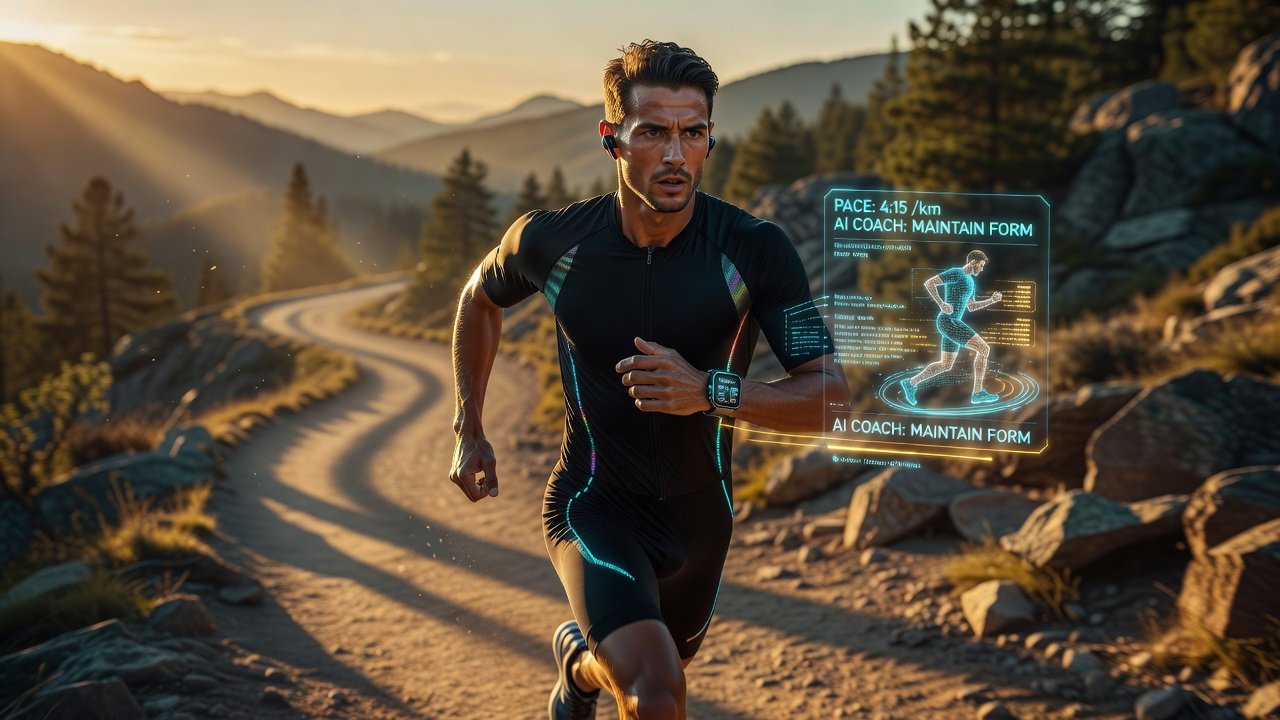
Staying motivated to run consistently remains one of the biggest hurdles for athletes at every level, particularly when daily responsibilities, weather changes, or performance plateaus intervene. In 2026, AI coaching tools are revolutionizing the running experience by delivering personalized, adaptive guidance that evolves in real time based on biometric data, environmental factors, and individual preferences. These intelligent systems go far beyond static plans by continuously learning from your habits and adjusting recommendations to keep engagement high throughout the year.
This comprehensive guide explores how to integrate AI coaching apps and wearables into your fitness journey to sustain peak motivation. It addresses modern search intent for practical, tech-enabled training solutions that adapt dynamically. From selecting platforms to setting up triggers and leveraging predictive insights, you will find actionable strategies, real-world examples, and answers to common concerns that make the transition seamless and effective.
Selecting the Right AI Platforms for Your Running Goals
Choosing an appropriate AI coaching platform begins with a clear evaluation of your current fitness level, device ecosystem, and long-term objectives. Leading solutions integrate seamlessly with popular wearables such as heart rate monitors and GPS watches, using advanced machine learning to process recovery scores, sleep patterns, and even subjective mood inputs for truly customized plans. Beginners benefit from platforms featuring intuitive dashboards and automated plan generation, while experienced runners often prefer those supporting detailed customizations like race-specific simulations or interval adjustments based on live performance metrics.
Evaluate compatibility, data visualization depth, and community support when making your decision. Many runners start with free trials to test how well the AI interprets their unique running style before committing long term. This careful selection process ensures the tool aligns with your motivation needs rather than adding complexity.
Setting Up Custom Motivation Triggers
Custom motivation triggers form the backbone of sustained engagement with AI coaching. These personalized alerts celebrate milestones, remind you of upcoming sessions, or provide encouragement during low-energy periods. Effective setup requires syncing your wearable, entering historical run data, and configuring notification preferences through the app interface. Practical steps include linking devices via Bluetooth, establishing baseline metrics such as average pace and weekly volume, then defining triggers like streak rewards or pace improvement alerts. Experiment with voice prompts during runs for hands-free motivation and review trigger effectiveness weekly to refine them based on what resonates most.
Tracking Progress with Predictive Analytics
Predictive analytics stand out as a transformative feature in 2026 AI coaching tools. By analyzing accumulated data, these systems forecast future race times, injury probabilities, and ideal training intensities weeks ahead, allowing proactive adjustments that prevent burnout. Runners access interactive dashboards displaying trend lines, recovery forecasts, and personalized recommendations that evolve with each logged session.
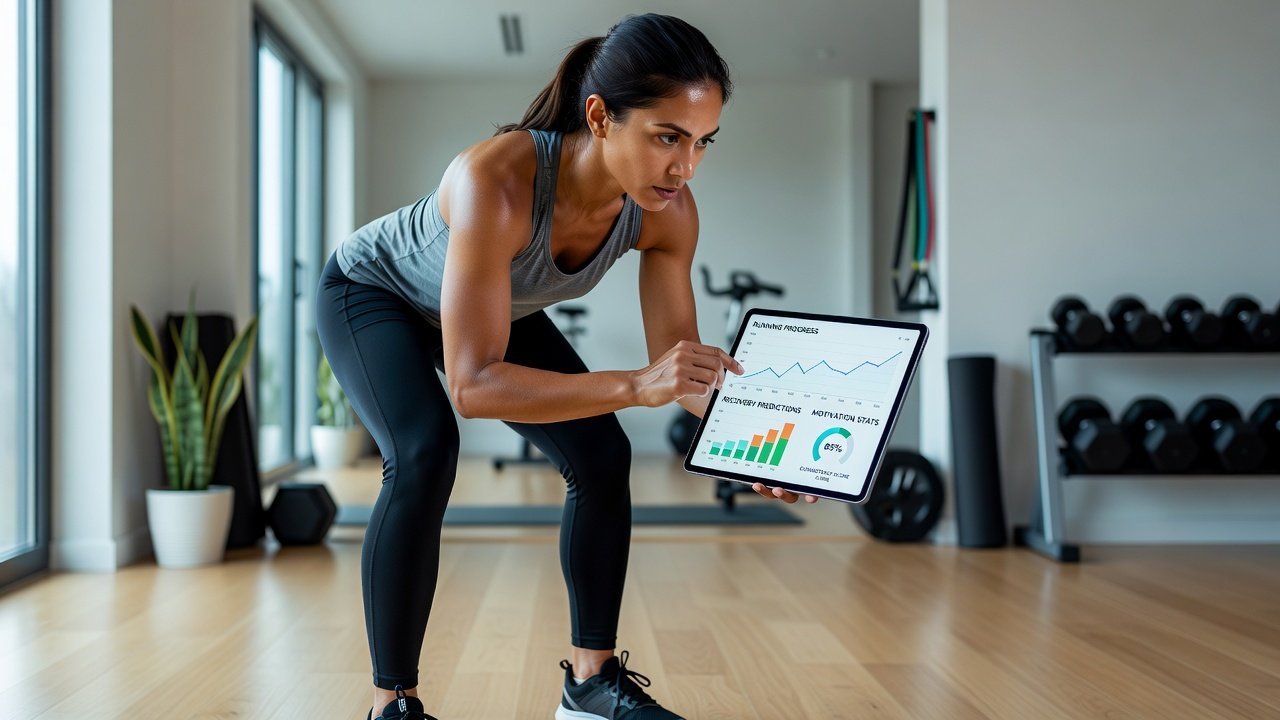
Review these insights on a weekly basis and compare predicted versus actual outcomes to fine-tune goals. This data-driven visibility transforms abstract motivation into concrete, achievable targets, helping runners maintain consistency even during challenging periods.
AI Coaching Versus Traditional Coaching Methods
Traditional coaching emphasizes human connection, empathy, and nuanced in-person feedback, yet it often involves fixed schedules and higher costs. AI coaching excels through constant availability, rapid data processing, and scalable personalization that adapts instantly to daily variations. Many athletes now adopt hybrid approaches, relying on AI for daily monitoring and real-time adjustments while consulting human coaches for periodic strategy sessions and emotional support during key races.
Direct comparisons reveal AI's strength in objective pattern recognition and 24/7 accessibility, whereas traditional methods provide irreplaceable relational accountability. In 2026, the most effective runners blend both worlds for comprehensive motivation and performance gains.
Practical Steps for Beginners to Get Started
Beginners can follow these detailed steps to integrate AI coaching successfully:
- Perform a baseline assessment run using your wearable to capture initial pace, heart rate, and distance data.
- Select and install an AI-enabled app, then complete the onboarding questionnaire about your goals and schedule.
- Connect your wearable and import recent workout history to allow the AI to build an accurate starting profile.
- Define simple weekly targets and activate basic motivation triggers such as completion badges or gentle reminders.
- Track the first month closely, providing feedback on plan difficulty so the algorithm refines its suggestions.
- Gradually unlock advanced features like predictive reports once the routine feels natural.
These measured steps reduce overwhelm and build confidence in the technology over time.
Real-World Runner Case Examples
Sarah, a 35-year-old professional balancing work and family, used AI triggers to receive mid-run encouragement that helped her maintain a three-month streak leading to her first half-marathon. Jamal, training for a marathon, applied predictive analytics to identify overtraining risks early, reducing injury downtime and achieving a personal record. Another runner, Elena, combined AI insights with occasional coach check-ins to navigate a busy travel schedule, resulting in consistent mileage and improved mental resilience. These stories demonstrate how AI adapts to varied lifestyles, converting potential setbacks into opportunities for steady progress and renewed motivation.
Overcoming Common Challenges with AI Coaching
Users sometimes encounter initial sync issues or overly ambitious plans. Address these by updating device firmware, restarting connections, and manually adjusting targets within the app. Over time, consistent feedback helps the AI learn your preferences more accurately. Privacy remains a top concern; always review data policies and choose platforms offering clear controls for data sharing and deletion.
FAQ: Addressing Common Setup Challenges and Privacy Concerns
How do I handle initial setup errors with wearables?
Update all firmware, restart devices, and use the app's built-in troubleshooting guide. Most connectivity problems resolve within minutes using these steps.
Are AI coaching tools secure with my health data?
Established platforms follow strict privacy regulations. Examine each app's policy carefully and select those permitting easy data export or removal when needed.
What if the AI plan feels too aggressive?
Override recommendations directly in settings and rate the session difficulty to retrain the algorithm progressively.
Can I switch platforms without losing my history?
Many tools support data export in standard formats, allowing smooth migration while preserving key metrics and trends.
Conclusion
AI coaching tools empower runners with sophisticated personalization and insights that sustain motivation across 2026. By thoughtfully selecting platforms, configuring triggers, and harnessing predictive analytics, athletes achieve consistent improvement. Combine these technologies with traditional methods when beneficial, start gradually, and prioritize data privacy for optimal long-term success. For additional guidance on physical activity, consult resources from the CDC, Mayo Clinic, and World Health Organization.

No comments yet. Be the first!