 The Runner Story

Introduction: Why Family Involvement Transforms Running Motivation
Many runners struggle with consistency because solo training can feel isolating over time. Involving family members shifts the focus from individual pressure to shared experiences, creating natural accountability and enjoyment. Research from the CDC shows that social support significantly increases adherence to physical activity routines. This guide provides step-by-step strategies to integrate family into your fitness journey while respecting different fitness levels and busy schedules. When running becomes a collective effort, it reduces dropout rates and turns exercise into quality time that strengthens bonds across generations.
Benefits of Making Running a Family Experience
Shared runs strengthen relationships and model healthy habits for children. Parents who run with kids often report higher long-term adherence because the activity becomes a positive family ritual rather than a chore. It also reduces guilt around balancing personal goals with family time, turning potential conflicts into bonding opportunities. Beyond motivation, family running improves cardiovascular health for everyone involved and teaches children the value of movement from an early age. Studies indicate that children with active parents are more likely to maintain active lifestyles into adulthood, creating a ripple effect that supports lifelong wellness.
Selecting Age-Appropriate Activities
Start by matching activities to developmental stages. Toddlers can join short walks or playground intervals, while school-age children enjoy games like relay races or treasure hunts during runs. Teenagers may prefer structured training toward a family 5K. Always prioritize fun over distance to maintain engagement across generations. For very young kids, incorporate play elements such as stopping to collect leaves or chasing bubbles to keep sessions light. Preteens often respond well to goal-setting challenges like earning stickers for completed loops. For couples, consider complementary workouts such as one partner running while the other cycles alongside, or alternating pace runs with recovery walks. This flexibility ensures every participant feels included and valued regardless of age or current fitness level.
Scheduling Family Runs Without Conflict
Begin with one weekly family session on weekends when energy is higher. Use shared calendars to block time and rotate who chooses the route or activity to ensure buy-in. If mornings work better for one parent and evenings for another, split sessions and combine efforts on rest days. Flexibility prevents resentment and supports sustainable habits. Consider seasonal adjustments, such as shorter indoor alternatives during winter or longer trail explorations in summer. Communicate openly about energy levels and commitments each week to avoid last-minute cancellations that can derail momentum.
Tracking Collective Progress with Simple Tools
Use free apps like Strava or a shared notebook to log miles, time, or fun facts such as "best family smile captured." Celebrate milestones with non-food rewards like a new park visit. This visible progress reinforces motivation without competition between family members. Create simple charts that highlight total family distance or consecutive weeks completed to foster a sense of teamwork. Digital tools allow photo uploads of group runs, turning data into memories that encourage continued participation.
Real-Life Examples of Parent-Child and Couple Routines
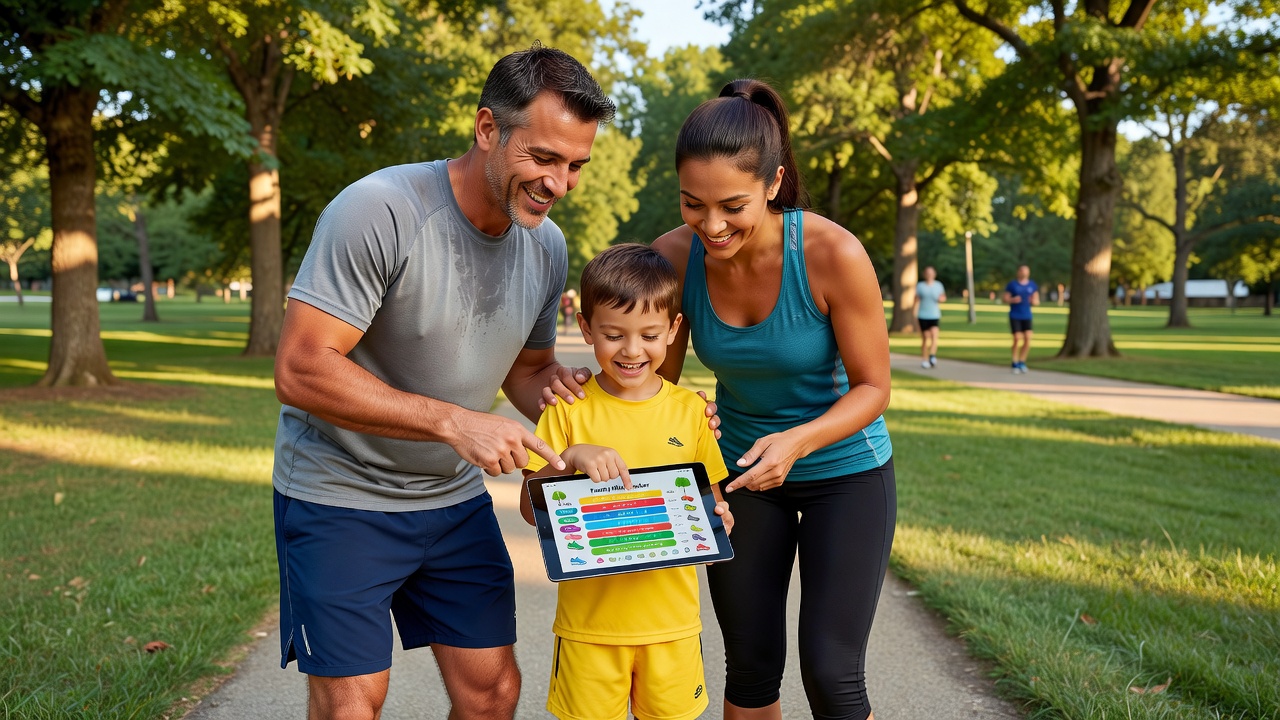
One family of four started with 10-minute loops around their neighborhood, gradually building to a monthly 3K. The children now lead warm-up games, increasing ownership. Couples often alternate lead-and-follow runs, using the time to discuss goals and provide encouragement. These routines demonstrate that consistency matters more than speed or distance. Another example involves a single parent and teenage son who began with neighborhood walks that evolved into training for a local charity run, strengthening their relationship while achieving a shared goal. Such stories illustrate how small, consistent efforts compound into meaningful fitness and relational gains over months and years.
Step-by-Step Guide to Starting Small
- Discuss goals openly as a family to align expectations and address any concerns upfront.
- Choose one low-pressure activity for the first month, such as a 15-minute walk-run combo.
- Prepare gear together, such as comfortable shoes and water bottles, making the process collaborative.
- Review after four weeks and adjust based on feedback from all participants.
- Scale up only when everyone feels positive about the routine, adding distance or frequency gradually.
- Incorporate variety like themed runs or new locations to prevent boredom and maintain excitement.
Addressing Differing Fitness Levels
Handle varied abilities by using run-walk intervals, choosing flat routes, or allowing faster members to do out-and-back loops. Focus on time spent together rather than pace. If one member has lower fitness, begin with shorter distances and incorporate strength-building games like tag to build endurance gradually. Address common objections such as "I'm too slow" by emphasizing enjoyment and presence over performance. Create inclusive rules, like no one gets left behind, and use positive reinforcement to build confidence. Over time, differing levels can actually become an advantage as stronger members provide mentorship while others contribute fresh perspectives and energy.
Common Mistakes to Avoid
One frequent error is pushing too hard too soon, leading to fatigue or injury that discourages future participation. Another is failing to listen to individual feedback, which can make some family members feel excluded. Avoid turning runs into competitions that highlight differences in ability. Instead, keep the emphasis on fun and connection. Skipping preparation, such as proper warm-ups or hydration planning, can also cause discomfort that undermines motivation. Finally, neglecting to celebrate small wins may cause the routine to feel like an obligation rather than a rewarding family tradition.
Short FAQ on Safety and Motivation Maintenance
How do we ensure safety during family runs?
Choose well-lit, low-traffic areas, use reflective gear, and carry a phone. Teach children basic road rules and stay together as a group. The American Heart Association recommends consulting a doctor before starting any new routine, especially for children or those with health concerns.
What if motivation drops after a few weeks?
Revisit the fun element by changing routes or adding challenges like scavenger hunts. Reassess goals together and consider joining a local family-friendly running group for extra support. Tracking emotional benefits alongside physical ones often reignites enthusiasm.
Are there specific safety guidelines for kids?
Follow age-appropriate distance recommendations and monitor for fatigue. Hydration and proper footwear are essential. Resources from Mayo Clinic emphasize gradual progression to avoid injury. Always end sessions on a positive note to associate running with enjoyment.
Conclusion
Involving family turns running from a solitary effort into a supportive journey that enhances motivation and creates lasting memories. By starting small, respecting individual levels, and focusing on enjoyment, runners build habits that endure. Begin with one shared session this week and watch your fitness journey flourish together.


No comments yet. Be the first!