 The Runner Story

Introduction: Why Neuroscience Matters for Runners
Staying motivated to run over months or years often feels harder than the physical training itself. Understanding the brain chemistry involved can transform how you approach your fitness journey. This article dives into neurotransmitters like dopamine and serotonin, showing practical ways to leverage them for persistence without relying on fleeting willpower. By 2026, runners are increasingly turning to measurable mindset shifts backed by research rather than generic advice. These strategies help combat plateaus and build routines that stick, turning sporadic efforts into lifelong habits.
Evidence from brain imaging studies shows that consistent running alters neural pathways, making motivation more automatic over time. Runners who understand these mechanisms report fewer dropouts and greater enjoyment during long training cycles. The goal is not just to run farther but to rewire your brain for sustained drive.
The Role of Dopamine and Serotonin in Running Persistence
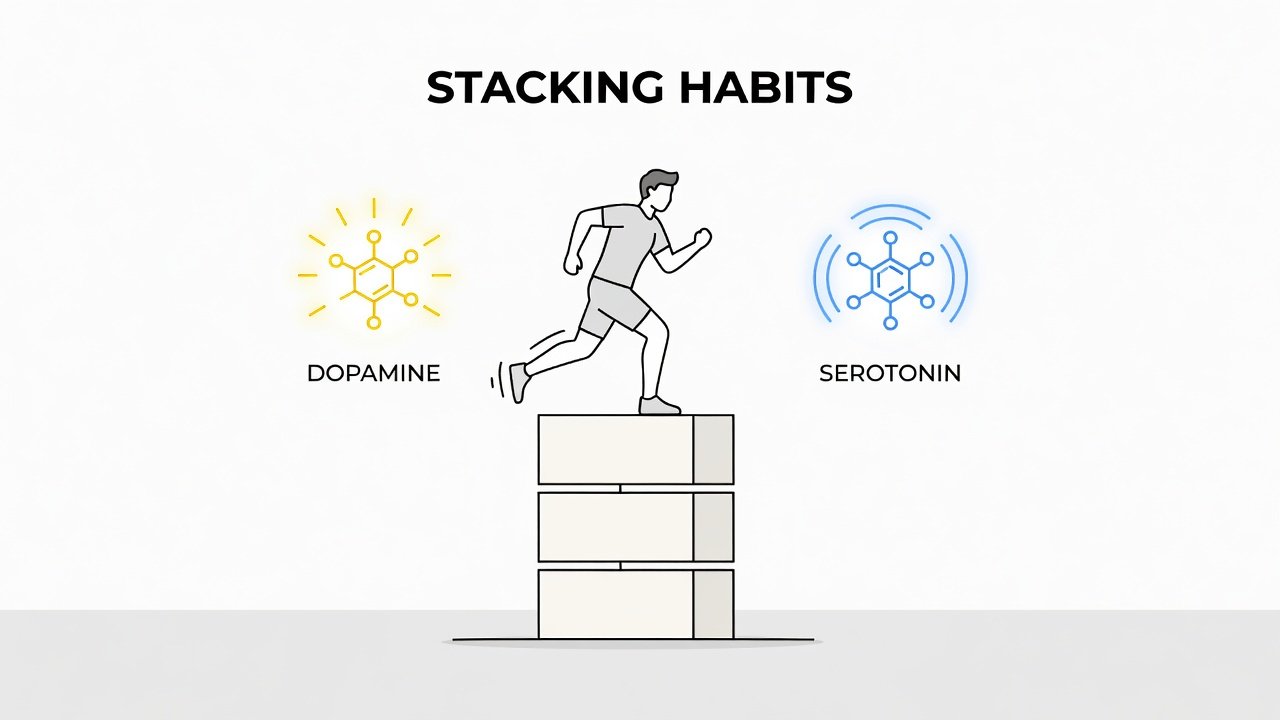
Dopamine drives reward anticipation and goal-directed behavior, making it key for starting and completing runs. It surges when you anticipate a positive outcome, such as finishing a challenging route or hitting a new pace. Serotonin regulates mood and reduces feelings of fatigue, helping runners push through discomfort during extended efforts. When these systems are optimized, runners report higher consistency and lower perceived exertion.
For instance, studies from the National Institutes of Health highlight how balanced neurotransmitter activity supports long-term adherence to exercise programs. Imbalances often lead to motivation crashes after the initial excitement fades. Understanding this science allows targeted interventions rather than hoping motivation returns on its own.
Learn more from NIH resources on brain health. Adjusting daily habits to trigger small dopamine releases, such as completing a short run, builds momentum over time and strengthens neural circuits associated with exercise.
How Neurotransmitters Influence Runner Persistence
Runner persistence depends on the interplay between these chemicals. Dopamine motivates the planning and initiation phases, while serotonin sustains effort and aids recovery mood. Low dopamine can cause procrastination before a run, whereas depleted serotonin contributes to post-run blues or irritability. Seasonal changes, stress, and sleep quality all modulate these levels, explaining why motivation fluctuates.
Practical monitoring involves noting energy patterns in a journal. Runners who track mood alongside mileage often identify personal triggers faster. This creates a feedback loop where small wins reinforce the system naturally.
Practical Ways to Trigger Neurotransmitters Through Routine Adjustments
Simple routine adjustments can naturally boost these chemicals. Morning runs in natural light increase serotonin production by aligning with circadian rhythms. Tracking progress with apps provides dopamine hits from visible achievements and data visualizations. Seasoned runners often pair runs with post-run rewards like favorite podcasts or healthy snacks to reinforce the positive cycle without over-relying on external validation.
Nutrition also plays a role: foods rich in tyrosine support dopamine synthesis, while tryptophan aids serotonin. Integrating these into pre-run meals creates a biochemical foundation for motivation. Hydration and consistent sleep schedules further stabilize levels, reducing the mental resistance many experience mid-week.
Step-by-Step Habit Stacking Techniques
Habit stacking links new behaviors to existing ones for easier adoption. Follow this detailed checklist to implement it effectively:
- Identify a current habit, such as brewing coffee or checking email.
- Stack a 10-minute run immediately after the anchor habit to leverage existing neural pathways.
- Log the completion immediately in a simple app or notebook to activate dopamine through visible progress.
- Repeat daily for 21 days minimum to strengthen connections, then gradually increase duration.
- Review weekly and adjust the stack if friction appears, such as moving the run to a different anchor time.
- Celebrate consistency with non-food rewards like new running socks to maintain engagement.
Real-world example: A marathon runner stacked evening runs after work meetings, leading to consistent training blocks and a personal best time. Another ultra runner combined morning meditation with a short jog, reporting reduced anxiety and better adherence during injury recovery periods.
Reward-Based vs Routine-Based Motivation: A Detailed Comparison
Reward-based motivation relies on external incentives like medals or race entries, which can fade once the event passes. Routine-based approaches focus on process and internal cues, proving more sustainable for long-term fitness journeys. Comparisons show routine-based runners maintain habits significantly longer because they build identity around the activity rather than outcomes.
Pros of reward-based systems include quick initial boosts during training blocks, but cons involve crashes after events. Routine-based methods foster resilience against plateaus yet require more upfront effort to establish. The most effective strategy blends both: use rewards sparingly at the start, then transition to routine focus for endurance. Many experienced runners recommend quarterly goal reviews to recalibrate this balance.
Overcoming Plateaus with Actionable Checklists and Mindset Shifts
Common plateaus stem from stagnant routines that no longer stimulate neurotransmitter release. Use this expanded checklist to reset motivation:
- Audit current triggers for dopamine and adjust volume or terrain to introduce novelty.
- Incorporate variety like intervals or trail changes to re-engage serotonin pathways and reduce boredom.
- Review weekly progress logs to maintain accountability and celebrate micro-wins.
- Seek community support through local groups for social serotonin boosts during shared runs.
- Assess sleep and nutrition factors, as deficits directly impair neurotransmitter function.
- Practice visualization techniques before runs to prime dopamine anticipation.
Case example: An ultra runner hit a plateau after six months but used habit stacking with visualization to break through and complete a 100K event. Another beginner runner applied neurotransmitter-focused routines to move from inconsistent 5K efforts to completing their first half marathon within four months.
Measurable Mindset Shifts for 2026 Runners
Focus on quantifiable changes such as logging mood scores before and after runs or measuring adherence rates over 30-day periods. These shifts emphasize process metrics over distance alone. Incorporating brief mindfulness during cool-downs enhances serotonin regulation and reduces injury-related demotivation. Runners adopting these methods in recent years note improved mental resilience during variable weather or life stress periods.
FAQs on Running Motivation Plateaus
How long until neuroscience hacks show results? Most runners notice shifts within 3-4 weeks of consistent application, with stronger effects by week eight.
Can these techniques replace structured training plans? No, they complement structured training from sources like marathon programs and should integrate with periodized schedules.
What if motivation still dips despite adjustments? Reassess sleep and nutrition, as they directly affect neurotransmitter balance, and consider consulting a coach for personalized tweaks.
Are there differences between trail and road running for brain chemistry? Trail running often provides extra serotonin from nature exposure, while road running allows more precise dopamine tracking through pace data.
How does age affect these strategies? Older runners may need longer habit-stacking periods but benefit equally from routine-based approaches once established.
Conclusion
Applying neuroscience principles turns running motivation from a struggle into a science-backed system. Focus on neurotransmitter triggers, habit stacking, and routine shifts for lasting results in your fitness journey. Consistent application builds not only physical endurance but a resilient mindset that supports lifelong running.


No comments yet. Be the first!