 The Runner Story
Introduction: Why Online Running Communities Matter for Long-Term Fitness
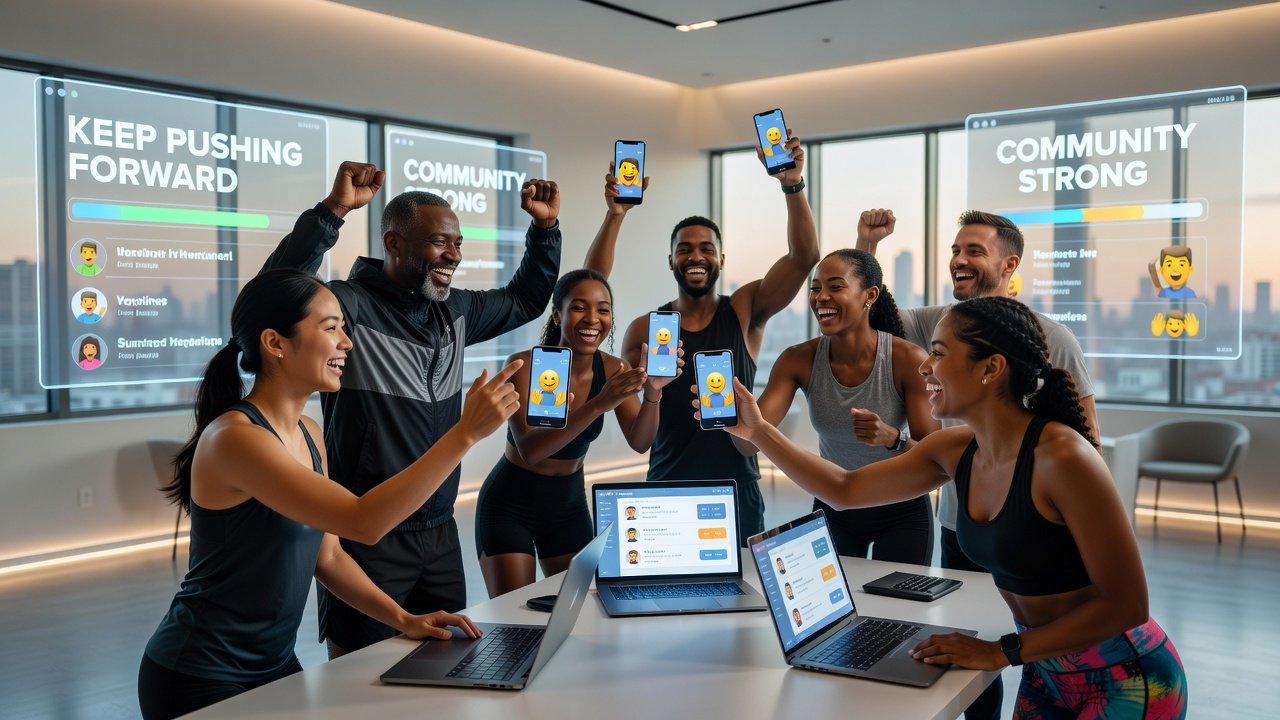
Staying motivated to run consistently is one of the biggest challenges in any fitness journey. While individual goals and personal discipline play a role, research shows that social connection dramatically improves adherence. Online running communities provide exactly that—virtual spaces where runners share progress, celebrate milestones, and hold each other accountable across time zones and experience levels. Whether you are training for a 5K or building toward an ultra, these digital networks turn isolation into collaboration and fleeting motivation into lasting habits.
This article explores the science behind social motivation, practical ways to join or build effective groups, real examples from runners in 2026, and comparisons of popular platforms to help you find the right fit. By the end, you will have concrete strategies to integrate community support into your routine and overcome common obstacles that derail many runners.
Science-Backed Benefits of Social Connection in Running
Human beings are wired for connection, and this extends powerfully to physical activity. Studies from institutions like the National Institutes of Health highlight how group participation increases dopamine release and reduces perceived effort during exercise. Runners in communities report lower dropout rates because shared accountability turns solitary runs into collective achievements that feel meaningful and supported.
Beyond dopamine, social running groups improve mental health outcomes. Regular interaction with like-minded individuals lowers stress hormones and builds resilience against setbacks such as injuries or bad weather. The World Health Organization emphasizes that social support is a key determinant of sustained physical activity across populations. Virtual communities extend these benefits globally, allowing runners in rural areas or with unconventional schedules to access the same encouragement as those in major cities.
Additional research links community involvement to better sleep quality and faster recovery because members exchange evidence-based tips on nutrition, stretching, and rest days. This knowledge-sharing creates a multiplier effect where one runner’s success inspires dozens more.
How Virtual Groups Provide Accountability
Accountability in online running communities often comes through structured challenges, weekly check-ins, and public progress sharing. Members post Strava activities or training logs, receiving encouragement that reinforces habit formation. This peer-driven model outperforms solo tracking apps because it adds emotional stakes and positive reinforcement that feel personal and immediate.
Many groups use leaderboards or buddy systems, where partners text reminders before key workouts. The result is sustained motivation that lasts months or years rather than fading after initial enthusiasm. Some communities organize virtual races with certificates, while others focus on streak challenges that reward consistency over speed.
Steps to Join Effective Online Running Groups
- Identify your goals clearly: beginner base-building, marathon training, trail running, or injury recovery support.
- Search platforms like Reddit’s r/running, Facebook Groups, or Discord servers using targeted keywords such as “virtual marathon training 2026” or “night shift runners club.”
- Review group rules, activity levels, and moderation style before requesting membership to ensure alignment with your needs.
- Introduce yourself with a short, authentic post about your current routine, goals, and any specific challenges like time zone differences.
- Commit to one weekly interaction such as sharing a run recap, asking a question, or cheering on another member’s achievement.
- Track your own consistency for the first 30 days and adjust participation if the group energy does not match your expectations.
Starting small prevents overwhelm and allows you to build genuine connections over time.
Creating Your Own Running Community
If existing groups do not match your needs, starting one can be highly rewarding. Choose a platform that supports threaded discussions and easy file sharing. Set clear guidelines on posting frequency, respect, and inclusivity from day one. Schedule a recurring virtual meetup via video call or voice chat to foster personal bonds. Promote your new group through existing running forums and invite a small core of friends or acquaintances to seed initial engagement and momentum.
Successful communities often begin with 10 to 15 dedicated members who model consistent sharing and positive feedback. Over time, organic growth occurs as word spreads through word-of-mouth and cross-promotion with complementary fitness accounts.
Real-World Examples from 2026 Runners
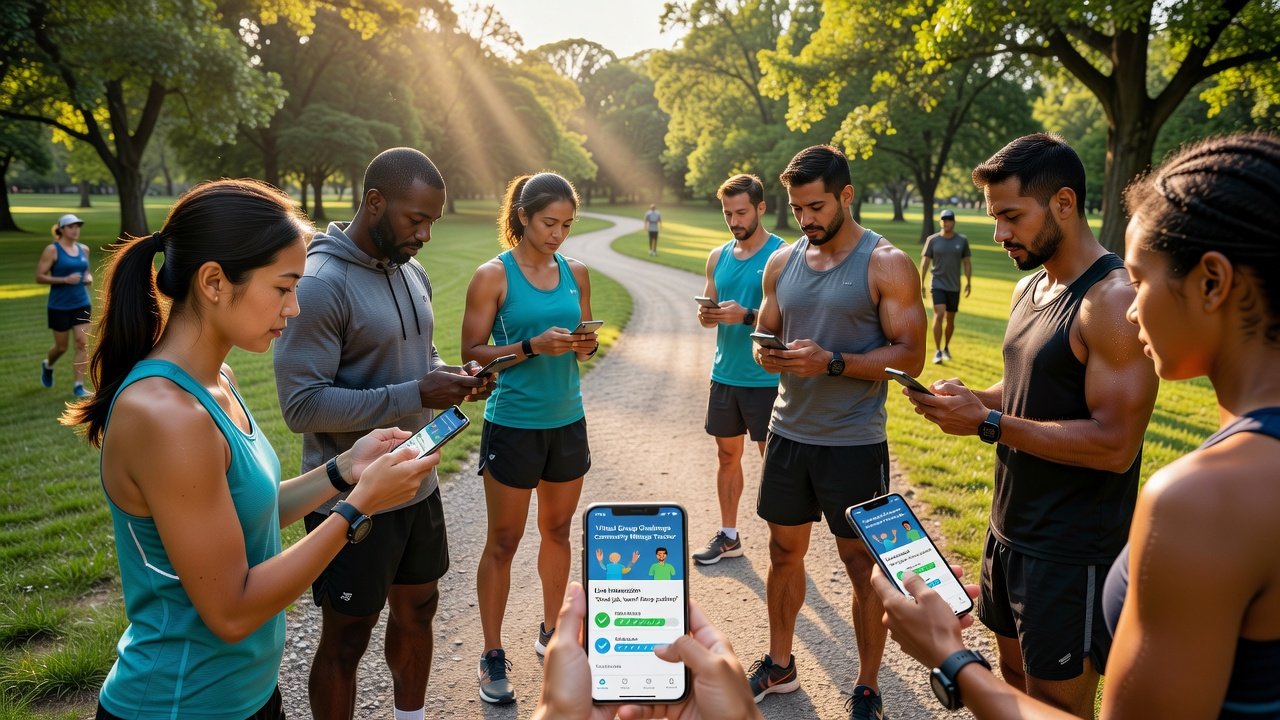
In 2026, many runners credit global communities for completing ambitious goals they once thought impossible. One runner in Australia joined a European-based virtual club that hosted monthly 50K challenges, using video calls to discuss nutrition strategies and pacing for hilly terrain. The group’s shared spreadsheets for tracking mileage created friendly competition that kept everyone engaged through the Southern Hemisphere winter.
Another runner in Canada formed a timezone-friendly subgroup for night-shift workers, resulting in consistent winter training despite limited daylight. Members posted sunrise photos from their treadmill sessions and exchanged tips on reflective gear. A third example comes from a parent in the United States who participated in a moms-and-dads running forum that organized stroller-friendly virtual relays, allowing participants to log miles around family schedules while receiving daily encouragement.
These stories illustrate how niche timing, shared experiences, and flexible formats keep motivation high year-round across diverse life circumstances.
Comparing Niche Apps and Broad Platforms
Broad platforms like Reddit and Facebook offer vast reach and diverse perspectives but can feel noisy with off-topic posts. Niche apps such as Strava Clubs or dedicated running forums provide focused discussions, structured events, and easier moderation. The best choice depends on whether you prefer broad inspiration or deep, goal-specific accountability. Many runners use both: broad platforms for discovery and niche apps for daily check-ins and personalized feedback.
Key differences include moderation quality, event frequency, and data privacy features. Niche apps often integrate directly with GPS watches for seamless activity uploads, while broad platforms excel at long-form storytelling and resource libraries. Testing two or three options for a month helps determine which environment best supports your running style and personality.
FAQ: Overcoming Common Barriers
How do introverts participate without feeling overwhelmed?
Start by lurking and reading posts before commenting. Many groups welcome quiet members who simply like or share occasional updates. Private messaging with one or two people often feels less intimidating than group chats, and some communities offer “silent member” roles that still count toward challenges without requiring public posts.
What if time zones make live interaction impossible?
Asynchronous formats like shared training logs and recorded video updates work well. Many successful groups operate primarily through threaded discussions rather than live calls. Members in vastly different time zones often schedule overlapping windows for quick voice notes or use translation tools for written posts.
Are free communities as effective as paid ones?
Yes. Effectiveness depends on engagement and culture, not cost. Free options on major platforms frequently match or exceed paid groups in motivation and support because they attract larger, more diverse memberships.
How do I handle negative or unsupportive members?
Look for groups with active, responsive moderators who enforce clear conduct rules. If issues arise, use private reporting features or quietly leave and join a different community that better matches your values and communication style.
Conclusion
Online running communities transform fitness from a solo struggle into a shared adventure filled with encouragement and practical wisdom. By leveraging science-backed social benefits, following clear joining steps, and choosing the right platform, you can build lasting accountability that carries you through plateaus, injuries, and life changes. Start exploring today and connect with runners who will help sustain your motivation for years to come.

No comments yet. Be the first!