 The Runner Story

Introduction: Why Running Motivation Changes Over Time
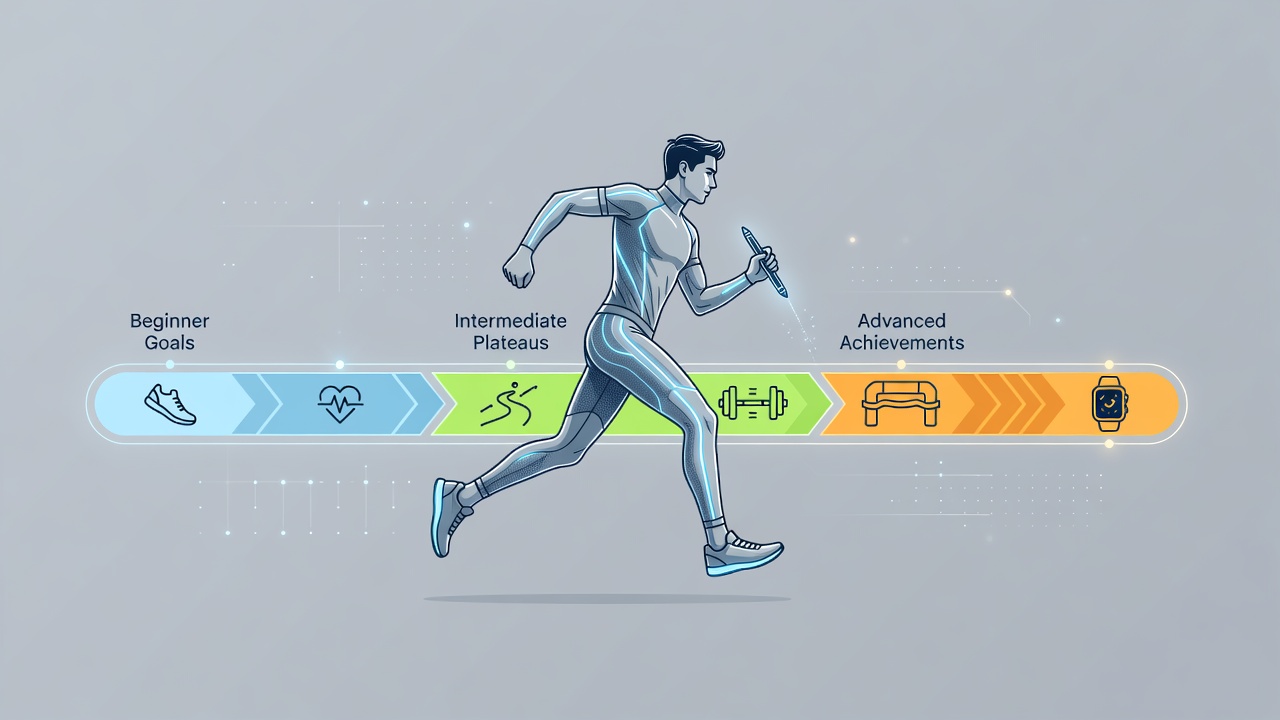
Starting a running routine is exciting, but maintaining it requires understanding that motivation isn't static. It shifts dramatically as you progress from beginner to intermediate and advanced stages. This evolution happens because your body adapts, goals become more complex, and psychological needs change. Recognizing these shifts helps prevent burnout and builds long-term consistency in your fitness journey. Runners who ignore these changes often quit prematurely, while those who adapt their approach enjoy running for decades. Whether you're lacing up for the first time or training for an ultra, tailored strategies make all the difference. Below, we explore motivation dips, goal-setting transformations, and integration with overall fitness tracking across each phase, providing concrete examples and actionable steps that go far beyond generic advice.
Beginner Stage: Building the Habit Foundation
New runners often face motivation dips tied to physical discomfort and uncertainty. Common challenges include soreness, self-doubt about pace, and difficulty establishing a routine. The key is starting small and celebrating consistency over speed. Many beginners make the mistake of trying to run too far too soon, leading to injury or frustration. Instead, focus on time on your feet rather than distance. Practical steps include finding an accountability partner through local running clubs or apps. Set weekly mileage goals that feel achievable, like three short runs per week. Milestone celebrations, such as treating yourself to new socks after completing your first 5K, reinforce positive behavior. Real-world example: Sarah, a 35-year-old office worker, began running after a health scare. She paired with a coworker for twice-weekly jogs, which helped her stick with it for six months straight. Another beginner, Jamal, used a simple journal to log how he felt after each run, noticing patterns that kept him motivated during tough weeks. To further support habit formation, beginners should schedule runs at the same time each day and prepare gear the night before to reduce friction. Integrating running motivation with overall fitness progress tracking starts here by noting basic metrics like how many days you ran versus planned.
Intermediate Stage: Pushing Through Plateaus
At this level, runners typically log consistent miles but encounter motivation drops from repetitive workouts or stalled progress. Psychological shifts involve moving from "just finish" to performance-oriented goals like improving 5K times. Plateaus are normal as the body adapts, but they can feel discouraging without the right mindset. Integrate running motivation with fitness progress tracking by using apps to monitor heart rate variability and recovery. Tailor techniques such as joining group runs for social accountability or planning quarterly milestone events like a local 10K race. Common challenges comparison: Unlike beginners who struggle with starting, intermediates battle boredom and overtraining risks. Avoid the mistake of increasing volume too quickly without rest days. A practical step is to introduce variety through speedwork or trail runs once or twice a week. Real-world example: Lisa, an intermediate runner aiming for her first half marathon, hit a wall after three months of steady training. By adding an accountability partner and celebrating small PRs with friends, she broke through and qualified for a larger race. Another runner, David, tracked his resting heart rate weekly and adjusted intensity based on data, preventing burnout. This stage benefits from structured training plans that include cross-training like cycling or strength work to maintain overall fitness progress while keeping runs fresh.
Advanced Stage: Sustaining Elite Drive
Advanced runners often deal with motivation dips from injury fears or diminishing returns on training efforts. Goal-setting evolves toward mastery, such as qualifying for Boston or completing 100-mile ultras. At this point, external validation matters less than internal satisfaction and smart recovery. Practical advice includes periodic goal reassessment and integrating cross-training for holistic fitness tracking. Milestone celebrations might involve reflective journaling or sharing achievements in running communities. Example: Elite runner Marcus used data from wearable tech to adjust his training, maintaining motivation through targeted recovery weeks. Advanced athletes also benefit from mentorship roles, coaching newer runners to reinforce their own commitment. Challenges here often center on balancing intense training with life demands, so creating flexible schedules and listening to early signs of overtraining is essential. Comparing this to earlier phases shows how motivation becomes more about longevity than quick wins.
Comparing Challenges Across Phases
Understanding differences allows personalized approaches. Beginners focus on physical adaptation and routine building, often needing external support like partners. Intermediates face mental monotony and incremental gains, requiring variety and data-driven adjustments. Advanced runners deal with injury prevention and peak performance pressure, emphasizing recovery and strategic planning. A scannable list of shared pitfalls includes ignoring rest, comparing to others, and neglecting nutrition. Each phase demands evolving techniques rather than one-size-fits-all methods.
Integrating Running Motivation with Fitness Progress Tracking
Tracking progress across stages involves more than mileage. Beginners can use simple logs, while intermediates add metrics like pace and heart rate. Advanced runners incorporate sleep, nutrition, and strength data. Tools from reputable sources help; for guidelines on physical activity, check the CDC and the American Heart Association. Regular reviews prevent motivation loss by highlighting improvements invisible in daily runs.
Mistakes to Avoid at Every Stage
- Skipping recovery days, which leads to injury regardless of experience level
- Setting vague goals instead of specific, measurable ones
- Ignoring mental health aspects like stress that affect motivation
- Over-relying on races without building sustainable daily habits
FAQ: Addressing Stage-Specific Barriers
How do I restart after a motivation dip as a beginner?
Focus on short, enjoyable runs and rebuild with an accountability partner. Start with just 10 minutes and build gradually while tracking feelings in a journal.
What tracking tools work best for intermediates?
Apps that combine mileage logs with recovery metrics help maintain perspective. Consider pairing them with periodic fitness tests every six weeks.
How can advanced runners avoid burnout?
Incorporate deload weeks and varied training stimuli regularly. Reassess goals quarterly and include non-running activities to maintain balance.
What if life events disrupt training at any stage?
Adjust expectations without guilt, maintain a minimum viable routine, and use past progress as proof you can return stronger.
Self-Assessment Checklist
- Identify your current stage accurately by reviewing recent consistency and goals
- List three recent motivation triggers and replicate what worked
- Choose one accountability method to try this month, such as a partner or online group
- Set a milestone celebration for the next four weeks that feels rewarding
- Review progress tracking data weekly and adjust plans accordingly
- Evaluate sleep, nutrition, and cross-training habits for holistic support
- Plan one fun, non-competitive run each month to keep joy alive
By adapting your approach as you grow, running becomes a sustainable lifelong habit. For broader health insights, explore resources at the World Health Organization and Mayo Clinic. Consistent application of these evolving strategies leads to deeper satisfaction and better results over time.


No comments yet. Be the first!