 The Runner Story
Introduction to Aid Station Mastery in Ultra Trail Running
Ultra trail running demands more than endurance—it requires smart race-day execution at aid stations. These checkpoints offer critical opportunities for refueling, gear changes, and recovery, yet many runners lose precious minutes through poor planning. In 2026, events like the Western States 100 and UTMB continue to highlight how efficient aid station use separates finishers from DNFs. This guide delivers practical tactics for time-efficient routines, personalized nutrition, volunteer coordination, and mental resets that keep momentum high across varying distances. Runners who treat aid stations as strategic hubs rather than casual stops consistently post faster overall times and higher completion rates.
Understanding the Role of Aid Stations in 2026 Ultras
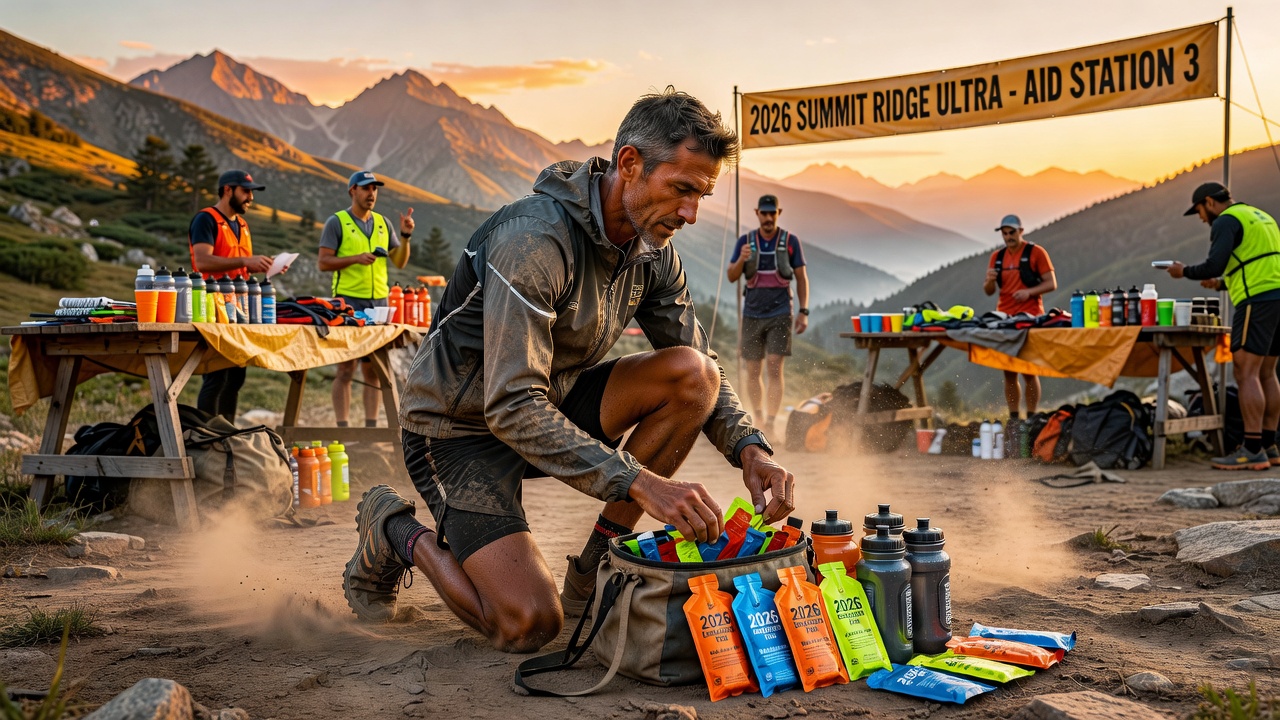
Aid stations serve as lifelines in races spanning 50K to 100+ miles. Runners encounter setups ranging from basic water-only stops to fully stocked crew-access points with medical support. Success depends on adapting to each station's layout and distance-specific demands. For example, early stations in a 100-miler focus on quick hydration, while later ones emphasize hot food and blister care. Real-world 2026 examples from the Hardrock 100 show top finishers spending under 90 seconds at most stations through rehearsed systems. Stations also provide vital data points for pacing adjustments based on split times posted by volunteers. Understanding the full spectrum of station types helps runners anticipate needs before arriving, reducing hesitation once they reach the table.
Preparing Drop Bags for Maximum Efficiency
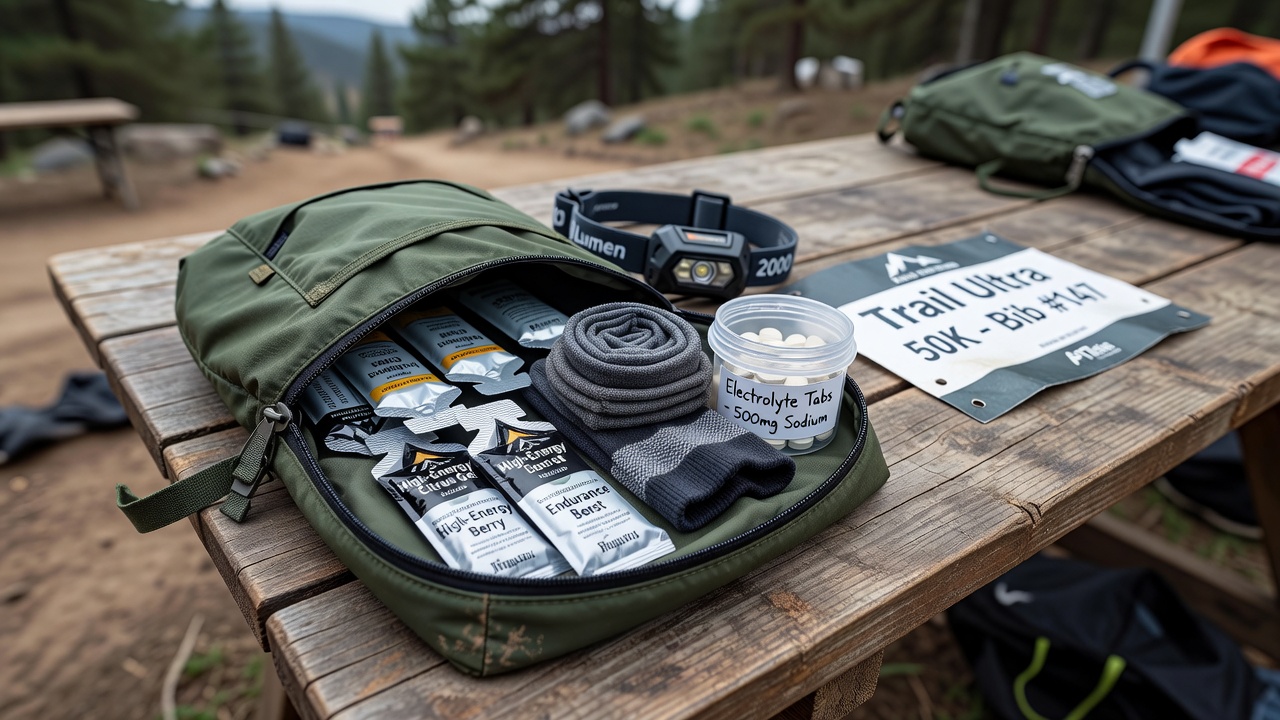
Strategic packing starts weeks before race day. Organize drop bags by expected needs at each mile marker, using clear labels and waterproof bags. Include a mix of gels, chews, electrolyte tablets, extra socks, headlamp batteries, and anti-chafe balm. For self-supported runners, bags must cover all contingencies without crew assistance. A proven approach is the "grab-and-go" system: pre-portion items into zip bags so you only handle what you need. Consider including small motivational notes or photos to boost morale during low points. Always double-check weather forecasts for the specific race date, as 2026 conditions can shift rapidly in mountain environments. Test every item in training runs that mimic race effort to confirm nothing causes digestive distress or discomfort.
Step-by-Step Drop Bag Checklist
- Review course map and station locations two weeks prior.
- Pack 2-3 nutrition options per expected stop, accounting for taste fatigue.
- Include weather-specific layers and repair kits.
- Test all items during long training runs.
- Label each bag with your bib number and station mile.
- Add backup lighting and navigation tools for night segments.
- Include a small first-aid kit with blister treatment supplies.
Time-Efficient Routines at the Aid Station Table
Develop a repeatable sequence: approach from the side, announce needs to volunteers, grab items while moving, and exit promptly. Avoid sitting unless medically necessary. In 2026 races, many stations use color-coded tables for quick identification of water, electrolytes, and food. Practice this flow in training to shave minutes per stop, compounding to hours saved over 100 miles. Time your practice sessions to simulate race pressure, aiming for sub-two-minute total stops at fully stocked stations. Watch for bottlenecks caused by other runners and position yourself strategically upon arrival.
Personalized Nutrition Selection and Hydration Refills
Match nutrition to your gut's proven tolerances rather than race defaults. Carry favorites like specific brands of waffles or rice balls while supplementing with station offerings. For hydration, request refills in your own bottles to control concentration. Common 2026 setups include self-serve coolers and volunteer-filled stations—always verify water sources to avoid contamination. Learn more about trail nutrition best practices at ultrarunning.com. Track your intake rates during training to refine what works at different intensities and temperatures.
Effective Volunteer Interactions
Clear communication maximizes help. Use phrases like "Water in bottle, please" or "Electrolytes and banana." Thank volunteers briefly to maintain positive energy. In crewed races, coordinate handoffs at designated areas to prevent bottlenecks. Self-supported runners benefit from polite, specific requests that keep lines moving. Building rapport with volunteers can lead to faster service in subsequent laps if the course loops back. Remember that volunteers are often fellow runners or enthusiasts who appreciate concise, respectful communication.
Mental Resets to Maintain Momentum
Aid stations provide brief psychological breaks. Use 30-60 seconds to reset: visualize the next segment, adjust mindset, and focus on one mile at a time. Runners who treat stations as checkpoints rather than rest stops maintain better pacing. Incorporate breathing exercises or positive affirmations during transitions. Many 2026 finishers credit short mental resets at stations for pushing through the final 20 miles when physical fatigue peaks. Journaling quick notes about how you feel upon leaving each station can reveal patterns for future races.
Avoiding Common Time-Wasting Errors
Steer clear of these pitfalls: lingering to chat, overeating at tables, fumbling through disorganized bags, or ignoring medical flags. Data from recent ultras indicates that unnecessary stops add 5-15 minutes per station on average. Rehearse minimal interaction in training simulations. Another frequent mistake is failing to pre-sort nutrition, leading to decision paralysis at the table. Always exit the station area before consuming food to keep the flow smooth for everyone.
Self-Supported vs Crewed Approaches: A Comparison
Self-supported runners rely entirely on drop bags and station resources, demanding lighter loads and precise planning. Crewed athletes enjoy customized support but must manage logistics and crew timing. In 2026 events, hybrid options allow limited crew access at key stations. Choose based on experience level—self-supported builds resilience while crewed enables aggressive pacing. Self-supported runners often develop stronger problem-solving skills, while crewed setups reduce mental load. Compare both in shorter training races before committing to one style for a major 2026 event. Additional insights on crew strategies are available at irunfar.com.
Adapting to Varying Station Setups Across Distances
50K races feature fewer, simpler stations; 100-milers add night-time lighting and medical checks. Scout course previews or past racer reports to anticipate layouts. Adjust routines for elevation changes and weather forecasts specific to 2026 conditions. Night stations require extra focus on lighting and visibility to avoid tripping hazards. In longer events, some stations may close early, forcing runners to carry more supplies between distant points. Always confirm cutoff times and station availability in the official race guide.
FAQs on Hydration Refills and Injury Checks
How often should I refill hydration at aid stations?
Refill at every major station, aiming for 500-750ml per hour based on effort and heat. Test your system in training to match personal sweat rate. In hot 2026 conditions, increase frequency and monitor urine color for dehydration signs.
When should I request an injury check?
Seek medical volunteers for persistent pain, dizziness, or swelling. Early intervention prevents escalation—many 2026 DNFs stem from ignored minor issues. Do not hesitate to ask for a quick assessment even if the problem feels minor.
Conclusion
Mastering aid stations transforms ultra trail running performance. By combining thorough preparation, efficient routines, and adaptive strategies, runners can minimize time loss while maximizing recovery. Apply these tactics in your next 2026 event for stronger finishes and fewer regrets. Consistent practice of these methods during training builds the confidence needed to execute flawlessly on race day.


No comments yet. Be the first!