 The Runner Story

Gut Health Optimization for Peak Ultra Trail Performance 2026
Ultra trail running pushes the human body to its limits, requiring not only physical endurance but also a finely tuned digestive system. The connection between microbiome health and sustained energy has become a focal point for athletes preparing for 2026 events. A balanced gut microbiome supports efficient nutrient breakdown, reduces inflammation, and helps maintain mental focus during grueling multi-hour efforts. This comprehensive guide explores the science, provides detailed strategies, and offers real-world examples to optimize gut health specifically for ultra trail performance.
The Science Behind Microbiome and Energy in Endurance Sports
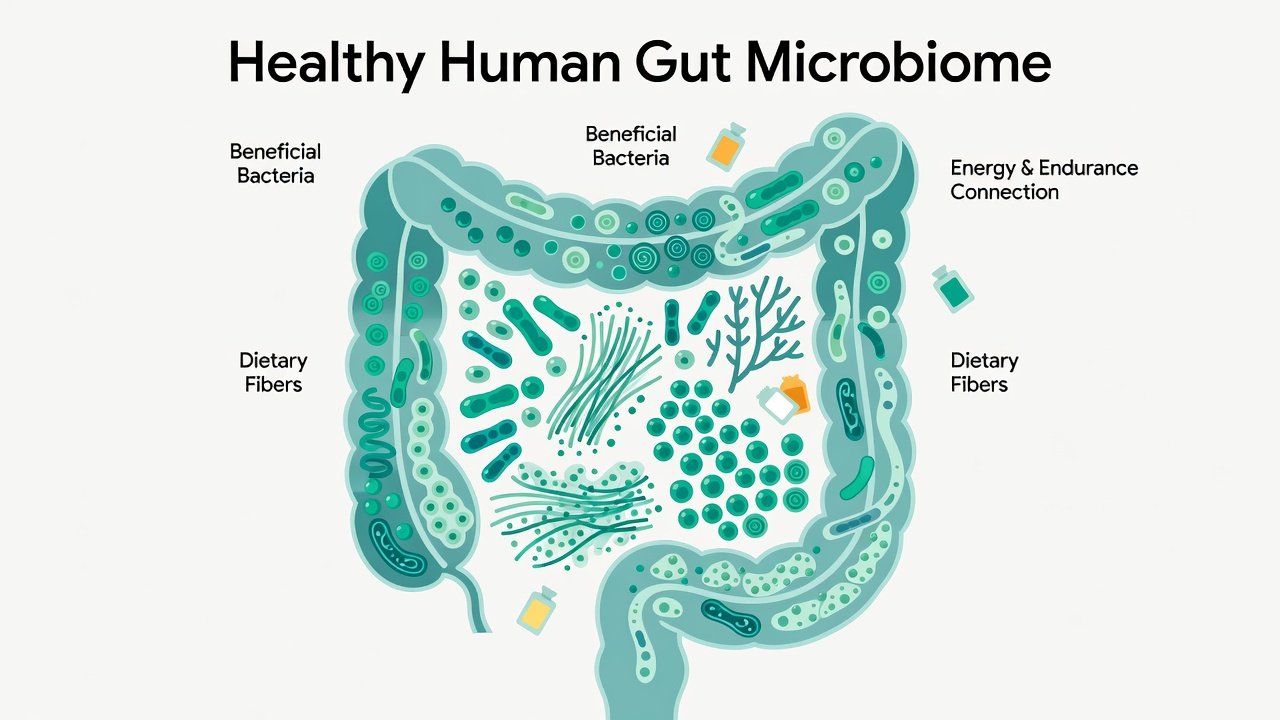
The human gut hosts trillions of bacteria that influence everything from immune function to energy metabolism. In ultra trail running, where athletes often exceed 50 miles, these microbes play an outsized role. They ferment dietary fibers into short-chain fatty acids like butyrate, which can supply additional fuel to muscles when glycogen stores deplete. Studies indicate that athletes with higher microbial diversity experience fewer gastrointestinal issues and better recovery rates. Disruptions caused by race-day stress, extreme temperatures, or improper fueling can lead to increased intestinal permeability, allowing toxins to enter the bloodstream and trigger fatigue or cramps. Understanding these mechanisms allows runners to implement targeted interventions well before race day.
Emerging 2026 research highlights how specific bacterial strains correlate with improved lactate threshold and reduced oxidative stress. Runners who actively cultivate diversity through diet often report steadier energy levels across varied terrain, from steep climbs to technical descents.
Pre-Race Diet Adjustments for Optimal Microbiome Support
Effective pre-race nutrition begins weeks in advance rather than days. Gradually shift toward gut-friendly carbohydrates while monitoring tolerance. Emphasize easily digestible sources such as white rice, peeled potatoes, and ripe bananas to build glycogen without excess fermentation. Introduce small amounts of fermented foods daily to boost beneficial bacteria populations. Three to five days out, reduce overall fiber intake to prevent residual bulk in the intestines that could cause distress mid-race.
Detailed 5-Day Pre-Race Meal Timeline
- Day 5: Focus on balanced meals with moderate fiber—oatmeal topped with honey and a side of yogurt for breakfast, quinoa bowls with lean protein for lunch, and baked fish with refined grains for dinner.
- Day 4: Increase carb portions while keeping foods low-residue; include smoothies with banana, rice milk, and a scoop of plain kefir.
- Day 3: Emphasize hydration alongside carbs—rice cakes with nut butter alternatives and electrolyte-infused water throughout the day.
- Day 2: Simplify further with pasta made from refined flour and grilled chicken; avoid any raw vegetables or high-fructose items.
- Day 1: Light, familiar foods like toast with jam, broth-based soups, and small frequent snacks to maintain energy without overload.
Track symptoms in a simple journal to refine this timeline for future races.
Probiotic and Fiber Strategies for Long-Term Resilience
Consistent probiotic use builds a robust microbiome foundation. Aim for multi-strain supplements containing Lactobacillus and Bifidobacterium species, taken daily with food. Pair these with gradual increases in soluble fiber from sources like oats or ground flaxseed starting six weeks prior. This timeline allows the gut to adapt without acute discomfort. Prebiotic fibers such as resistant starch from cooled potatoes further nourish good bacteria. Runners should test combinations during long training runs to confirm tolerance under fatigue conditions.
Mayo Clinic recommends consulting healthcare providers before starting new regimens, especially for those with existing sensitivities.
Common Gut Issues During Events and Evidence-Based Fixes
Gastrointestinal distress remains one of the top reasons ultra trail runners fail to finish. Bloating often stems from undigested carbs combined with reduced blood flow to the digestive tract. Cramps and nausea can result from hypertonic gels or sudden shifts in hydration. Practical fixes include practicing exact race nutrition on training runs of similar duration, incorporating sodium-rich drinks to support fluid balance, and using glutamine to reinforce intestinal barriers. Some athletes benefit from ginger or peppermint extracts for natural anti-nausea effects. Monitoring core temperature and taking short walk breaks when symptoms arise can prevent escalation into full shutdown.
Practical Meal Timing Examples for Training and Racing
During long efforts, target 60-90 grams of carbohydrates hourly, delivered in small, frequent doses. Begin fueling within the first 30 minutes rather than waiting for hunger signals. Post-run recovery meals should combine protein with probiotics within the first hour to kickstart repair processes. For example, a post-training smoothie with kefir, banana, and honey provides both immediate carbs and bacterial support. On back-to-back training days, schedule larger meals in the evening to allow overnight digestion and microbiome activity.
Comparing Popular Supplements for 2026 Ultra Runners
Choosing the right supplement requires evaluating strain diversity, CFU count, and third-party testing. Multi-strain options generally provide broader benefits than single-strain products for endurance athletes. Compare labels for inclusion of acid-resistant capsules that survive stomach acid. Runner feedback often favors refrigerated probiotics for potency, though shelf-stable versions offer convenience during travel to remote trail events. Always cross-reference with training logs to measure performance impact over several weeks.
Runner Case Studies Demonstrating Real Results
Professional ultra athlete Marcus Hale adopted a six-week fiber ramp-up protocol and reported finishing his 100-mile event without the nausea that previously forced walk breaks. Amateur runner Elena Vargas incorporated daily kefir and targeted probiotics, noting improved sleep quality and faster recovery between weekend long runs. Another case involved trail runner Jamal Torres who eliminated high-FODMAP foods in the final 48 hours before races, resulting in zero bloating across three consecutive ultra finishes in 2025 and early 2026.
Common Mistakes to Avoid in Gut Optimization
Many runners make the error of introducing new supplements too close to race day, leading to unpredictable reactions. Over-reliance on caffeine gels without adequate water can dehydrate the gut lining. Ignoring individual variability—such as personal tolerances to certain fibers—often causes setbacks. Another frequent issue is neglecting sleep, which directly affects microbial balance. Build testing into weekly schedules rather than assuming race-day conditions will match training.
2026 Trends in Performance-Enhancing Wellness
Personalized microbiome testing kits are gaining traction among serious ultra runners, allowing tailored probiotic recommendations based on individual bacterial profiles. Interest is also rising in synbiotic combinations that pair pre- and probiotics for enhanced efficacy. Climate-adaptive strategies, including heat-acclimated training paired with gut protocols, help athletes handle warmer race conditions expected in many 2026 calendars.
Expanded FAQ Section
How do I address bloating during races?
Implement a low-FODMAP taper 48 hours before start, practice diaphragmatic breathing to reduce stress-induced gut tension, and carry only previously tested fuels in small portions.
Does gut health affect nutrition absorption?
Absolutely. A diverse microbiome enhances uptake of key micronutrients like magnesium and B vitamins essential for muscle function and energy production over extended efforts.
What role does hydration play in gut performance?
Proper fluid intake maintains mucosal integrity and prevents constipation or diarrhea; aim for consistent sipping rather than large volumes at once.
National Institutes of Health offers ongoing updates on microbiome research relevant to athletes.
World Health Organization provides foundational guidance on balanced nutrition supporting overall wellness.
Conclusion
Optimizing gut health delivers measurable advantages in ultra trail performance through better energy stability, fewer interruptions, and quicker recovery. By applying the pre-race timelines, supplement comparisons, and practical examples outlined here, runners can prepare effectively for 2026 challenges. Consistency in daily habits combined with thorough testing yields the strongest results. Track progress, adjust based on personal feedback, and consider professional input for customized plans that align with individual goals.


No comments yet. Be the first!