 The Runner Story

Introduction
Organizing a community ultra trail event in 2026 offers an exciting opportunity to bring local trail runners together while promoting fitness and outdoor appreciation. This comprehensive guide walks aspiring organizers through launching a small-scale ultra trail running event from scratch. It covers practical steps for permits, course design, volunteer coordination, budgeting, safety protocols, sustainable practices, and marketing strategies to attract local trail runners. Real-world examples from successful grassroots ultras illustrate key points, alongside checklists for race day logistics and comparisons of timing systems. A dedicated FAQ section addresses common pitfalls like weather contingencies and insurance needs. Whether you aim for a 50K or longer distance, thorough preparation ensures a memorable and safe experience for participants.
Planning the Basics
Start by clearly defining your event's scope, including distance options, target participant numbers, and ideal date. Consider local trail conditions, seasonal weather patterns, and community interest levels. Research existing events in your region to identify opportunities for differentiation, such as emphasizing family-friendly aid stations or beginner pacing groups. Assemble a core organizing team of five to seven people early on, assigning roles like logistics lead, safety coordinator, and marketing manager. Hold regular meetings to track progress and adjust plans. Examples from events like the grassroots ultras in the Appalachian foothills show that early community input through surveys helps refine the vision and build initial excitement.
Securing Permits and Insurance
Permits represent one of the most time-intensive aspects of organization. Begin outreach to land management agencies six to twelve months ahead. For trails on federal property, initiate contact with the U.S. Forest Service to discuss special use permits that outline participant limits, route details, and environmental mitigation strategies. If your course crosses national park boundaries, consult the National Park Service for additional approvals. Insurance requirements typically include general liability coverage with participant accident protection and cancellation clauses for weather events. Review policies carefully to cover medical evacuations and volunteer injuries. Common mistakes include delaying applications or overlooking multi-agency coordination when trails span jurisdictions. Successful organizers often hire a permit consultant for the first event to streamline the process.
Designing the Course
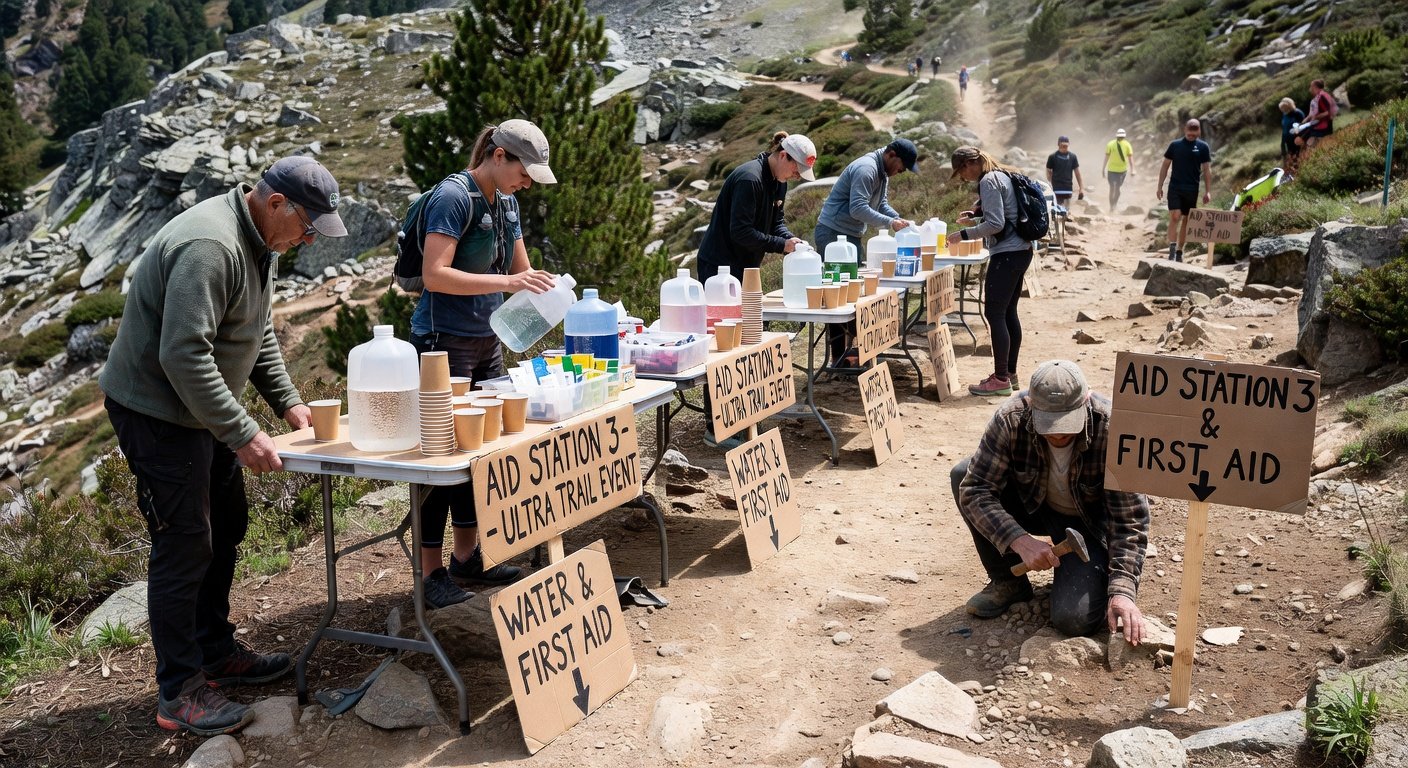
Course design balances challenge with accessibility. Use GPS mapping software to plot routes featuring varied terrain, including climbs, descents, and scenic viewpoints. Aim for aid stations spaced every five to seven miles, with clear marking using biodegradable flags and reflective signs. Incorporate loop or out-and-back options to simplify logistics. Test the full course multiple times with a small group of experienced runners to identify hazards like unstable bridges or overgrown sections. Real-world examples from Pacific Northwest community ultras demonstrate the value of incorporating local landmarks to enhance runner engagement. Always include bailout points for safety and publish detailed elevation profiles in advance.
Budgeting Effectively
Develop a comprehensive budget that accounts for fixed costs like permits and variable expenses such as supplies and marketing. Explore sponsorships from local outdoor retailers and running clubs to offset costs without raising entry fees excessively. Prioritize essential items including first aid supplies, course marking materials, and volunteer refreshments. Track all expenditures in a shared spreadsheet and build in a contingency fund for unexpected needs like additional signage or equipment repairs. Grassroots events succeed by focusing on in-kind donations, such as free trail access from landowners or discounted printing from community businesses. Review budgets from past similar events to set realistic targets and avoid common overspending on non-essential features.
Volunteer Coordination
Volunteers form the backbone of any successful ultra. Recruit broadly through running clubs, social media, and local universities, targeting 50 to 100 helpers depending on event size. Assign specific roles such as course marshals, aid station captains, medical support, and registration staff. Provide thorough training sessions covering emergency procedures, radio communication, and customer service expectations. Offer incentives like free race entry, branded apparel, or post-event appreciation dinners to boost retention. Examples from established community ultras highlight how clear communication via group messaging apps prevents confusion on race day. Create detailed role descriptions and backup plans for no-shows to maintain smooth operations.
Safety Protocols
Prioritize runner safety with layered protocols. Require mandatory gear lists including hydration packs, headlamps, and emergency whistles. Establish on-course medical teams equipped with basic life support supplies and coordinate with local EMS for rapid response. Monitor weather closely using professional forecasting services and prepare contingency plans such as shortened courses or delayed starts. Reference health guidelines from the Centers for Disease Control and Prevention for hydration and heat illness prevention. Conduct pre-event briefings for all participants on trail etiquette and self-sufficiency. Document all incidents for future improvements and ensure insurance documentation is readily accessible.
Sustainable Practices
Incorporate environmental responsibility throughout planning. Enforce leave-no-trace principles by providing reusable cups at aid stations and requiring runners to pack out all waste. Partner with local conservation organizations for trail cleanup initiatives tied to the event. Minimize vehicle traffic by encouraging carpooling and shuttle services. Successful grassroots events often measure their carbon footprint and share results with participants to foster ongoing awareness. These practices not only protect the trails but also appeal to environmentally conscious runners.
Marketing Strategies
Build anticipation through targeted outreach. Leverage social media platforms, local running store bulletin boards, and partnerships with trail running podcasts. Create engaging content such as course preview videos and runner testimonials. Offer early registration incentives and referral discounts to encourage word-of-mouth promotion. Collaborate with regional running clubs for group training runs leading up to the event. Analyze past participant demographics to refine messaging and reach underserved groups like first-time ultra runners. Effective marketing transforms a small event into a community staple.
Race Day Logistics Checklist
- Verify all permits, insurance certificates, and land access agreements are on file
- Finalize and test registration systems and packet pickup stations
- Position and stock aid stations with water, electrolytes, and basic foods
- Deploy course markings, signs, and timing equipment the day before
- Conduct final volunteer briefings with maps and contact lists
- Establish medical and communication command posts
- Prepare post-finish recovery areas with food, hydration, and awards
- Confirm weather monitoring and contingency activation procedures
Comparisons of Timing Systems
Selecting the right timing technology impacts both accuracy and budget. Chip-based RFID systems provide precise split times and live tracking popular with competitive runners, though they require rental or purchase of readers. Manual timing with backup spreadsheets offers a low-cost alternative suitable for smaller fields but demands more staff. GPS-enabled apps deliver real-time location sharing appreciated by spectators yet depend on cellular coverage. Compare options based on your event scale, testing multiple systems during a practice run. Many organizers combine methods for redundancy, ensuring reliable results regardless of technical glitches.
Conclusion
Launching a community ultra trail event in 2026 requires dedication across planning, execution, and follow-up. By addressing permits, safety, sustainability, and community involvement comprehensively, organizers create lasting positive impacts. Learn from established examples and adapt these strategies to your local context for a rewarding outcome.
FAQ
What insurance is essential?
Secure general liability coverage that includes participant medical protection and event cancellation options for weather or unforeseen issues.
How to handle weather contingencies?
Monitor forecasts daily in the weeks leading up, maintain alternate shorter course options, and communicate changes promptly via email and social channels.
What are common mistakes to avoid?
Underestimating permit timelines, neglecting volunteer training, and failing to test timing equipment represent frequent oversights that can disrupt events.


No comments yet. Be the first!