 The Runner Story

Introduction
Ultra trail running distances exceeding 50 kilometers demand far more than basic water sipping. Variable terrain, weather swings, and prolonged effort create unique risks of dehydration and hyponatremia that can derail performance and recovery. Advanced hydration protocols integrate precise electrolyte timing, real-time monitoring, and personalized strategies to keep athletes pushing limits safely. Experienced runners recognize that hydration is dynamic, adapting continuously to changing conditions rather than following a rigid schedule. This comprehensive guide explores cutting-edge methods backed by exercise physiology research, offering practical tools for optimizing fluid and sodium balance during demanding events.
Dehydration reduces blood volume and impairs thermoregulation, while hyponatremia from excessive plain water intake dilutes blood sodium levels, leading to swelling and confusion. Both conditions threaten ultra runners on technical trails where access to aid is limited. By mastering advanced techniques, athletes can sustain higher outputs, minimize gastrointestinal issues, and accelerate post-race recovery.
Understanding Hydration Challenges in Ultra Trails
Trails introduce constant elevation changes and unpredictable weather that accelerate fluid loss through sweat and respiration. High-intensity climbs spike sweat rates while descents reduce perceived thirst signals, creating a dangerous mismatch. Runners must account for both water volume and sodium concentration to maintain plasma volume, nerve function, and muscle contraction over many hours.
Individual factors such as body size, acclimatization to heat, and genetic sweat composition play major roles. For example, some athletes lose up to 1.5 liters of sweat per hour in hot conditions, while others maintain lower rates even on exposed ridges. Terrain like rocky singletrack increases energy expenditure and thus fluid demand compared to smoother fire roads. Weather variables including humidity, wind, and altitude further complicate calculations, requiring flexible protocols that respond to real-time feedback rather than pre-race estimates alone.
Science of Electrolytes and Timing Intake with Effort Levels
Electrolyte balance centers on sodium, potassium, magnesium, and calcium, but sodium dominates ultra strategies because it drives fluid retention. Intake should scale directly with exercise intensity and environmental stress. During low-effort flat sections, sodium needs may stay near 300 mg per hour, but steep climbs or sudden heat exposure demand increases to 600 mg or more to offset rapid losses.
Timing is critical. Front-load electrolytes 30 to 60 minutes before major efforts to prime absorption. During sustained efforts, consume small amounts every 15 to 20 minutes rather than large boluses that risk stomach sloshing. Cross-reference with body weight checks every four hours and urine color assessment to fine-tune. Research indicates that matching sodium replacement to sweat rate prevents both hyponatremia and the performance drop associated with dehydration. Incorporate carbohydrate-electrolyte solutions during later stages to maintain energy while supporting fluid uptake through the intestinal sodium-glucose cotransporter mechanism.
Comparing Commercial Mixes Versus Natural Options
Commercial electrolyte products deliver consistent, measurable dosing along with added carbohydrates for sustained energy release. Popular options provide precise sodium-potassium ratios tested for rapid absorption. Natural alternatives such as coconut water, salted watermelon, or homemade broths supply potassium, magnesium, and flavor variety but require careful measurement to reach target sodium levels without excess sugar.
Many elite athletes adopt a hybrid approach: using commercial powders as the base for reliability during night sections, then supplementing with whole foods at aid stations for digestive comfort and micronutrient diversity. Pros of commercial mixes include portability and predictability; cons involve potential artificial additives. Natural sources excel in palatability and additional nutrients yet demand more preparation and testing. Experiment extensively in training to determine personal tolerance, as gastrointestinal distress often arises from untested combinations during race intensity.
Explore further guidance from authoritative resources including Mayo Clinic hydration guidelines, National Library of Medicine research archives, and American College of Sports Medicine position stands.
Step-by-Step Protocols for Multi-Hour Efforts
Implement this phased framework for races beyond six hours, adjusting based on individual sweat testing conducted beforehand:
- Pre-start hydration window: Drink 500 ml of fluid containing 400 mg sodium two hours before the start, followed by another 250 ml 30 minutes prior to allow absorption without discomfort.
- Early race phase (hours 1-3): Target 400-500 ml fluid hourly with 300-400 mg sodium, sipping every 15 minutes on flat or moderate terrain.
- Mid-race phase (hours 4-10): Increase volume to 550-700 ml per hour and sodium to 450-600 mg during climbs or temperature spikes; incorporate caffeine sparingly if it aids alertness.
- Late-race phase (beyond 10 hours): Maintain sodium density while slightly reducing total volume to 400 ml hourly to minimize bloating; prioritize easily digestible real-food sources like bananas or broth at checkpoints.
Record data in a simple log or app during training to refine these targets. Include contingency plans for extreme heat or unexpected delays, such as carrying extra salt capsules for rapid correction of emerging cramps.
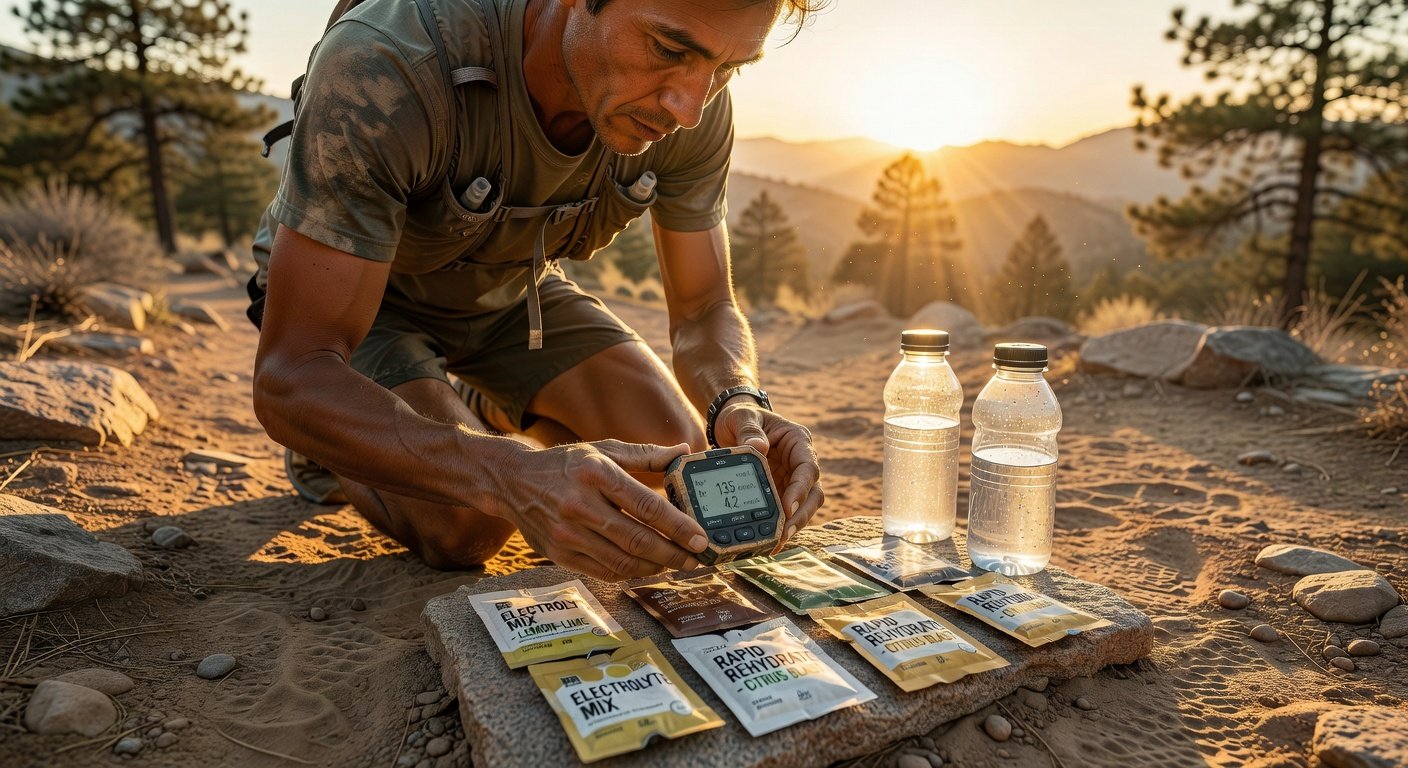
Real-World Examples from 2026 Races
During the 2026 Western States Endurance Run, several top-10 finishers attributed their success to dynamic electrolyte schedules that responded to canyon heat spikes around mile 80. One athlete increased sodium intake by 200 mg per hour after noticing early signs of fatigue, avoiding the mid-race slowdown common in previous years.
In the 2026 UTMB Mont-Blanc, variable alpine conditions rewarded runners who adjusted protocols hourly based on elevation and wind exposure. Finishers reported using a mix of commercial tablets on technical descents and natural salted nuts at mountain refuges, maintaining steady energy without the nausea that plagued less-prepared competitors. These cases highlight the value of real-time adaptation over fixed plans.
Gear Integration Checklist
Equip yourself with reliable tools that support continuous monitoring and easy access:
- Hydration vest or pack with 1.5-2 L capacity plus multiple soft flasks for quick refills at streams or aid stations.
- Pre-portioned electrolyte tablets or powder in daily ziplock bags to eliminate guesswork during fatigue.
- Compact digital scale for accurate body-weight checks at major checkpoints, targeting no more than 2 percent loss.
- Urine test strips or color chart for rapid sodium balance assessment every four to six hours.
- Emergency salt capsules and anti-nausea ginger chews stored in an accessible pocket.
- Insulated bottles or sleeves to keep fluids palatable in cold night sections or prevent freezing at altitude.
Integrate these items through practice runs that simulate race nutrition cutoffs, ensuring seamless transitions between carrying, consuming, and refilling.
Monitoring, Adjustments, and Recovery Hydration
Continuous monitoring prevents small imbalances from escalating. Weigh yourself at every major aid station and compare against pre-race baseline. Adjust fluid intake upward if weight drops rapidly or downward if it rises. Track perceived exertion alongside thirst and urine output for a complete picture. Post-race, focus on gradual rehydration with electrolyte-rich fluids over 24 hours to restore balance without overloading the kidneys. Include protein and carbohydrates in recovery meals to support glycogen replenishment alongside fluid retention.
FAQ: Addressing Common Mistakes Like Overhydration
How do I recognize overhydration early? Symptoms include persistent bloating, unusually clear urine despite modest intake, sudden weight gain, and mild headache. Immediately reduce plain water and add sodium sources.
Is a fixed drinking schedule ever appropriate? Rarely. Thirst remains the primary guide, but cross-reference it with effort level, temperature, and body-weight data for optimal results in variable conditions.
What role does caffeine play? Moderate caffeine can enhance focus yet increases urine output; compensate with additional electrolytes and monitor total fluid balance closely.
How should I handle aid-station temptation? Sample small amounts first and stick to your pre-planned ratios rather than overconsuming available options.
Can I train my stomach for higher volumes? Yes, through progressive practice runs that gradually increase fluid and electrolyte loads to build tolerance.
Conclusion
Mastering advanced hydration protocols transforms ultra trail performance by aligning electrolyte timing with real-time effort, blending product types effectively, and integrating reliable gear. These strategies reduce medical risks, sustain energy output, and speed recovery after demanding efforts. Test every element thoroughly in training to personalize the approach before your next 50K-plus race, turning potential vulnerabilities into competitive advantages on the trails.


No comments yet. Be the first!