 The Runner Story

Introduction to Layering for 2026 Ultra Trail Challenges
Ultra trail running in 2026 demands adaptable clothing systems that handle rapid shifts from scorching heat to freezing rain and high winds. Runners face unpredictable conditions across long distances, making a smart layering strategy essential for safety, performance and comfort. This guide breaks down proven approaches to building versatile systems that perform across diverse environments while optimizing for ultra running keywords like extreme weather adaptation and trail running gear selection.
Modern ultra events span elevations from sea level to alpine peaks, where temperatures can swing 30 degrees or more within hours. Effective layering prevents issues like overheating during ascents and hypothermia during descents or sudden storms. Athletes who master these systems often maintain consistent pacing and reduce injury risks associated with weather exposure.
Understanding Base, Mid and Shell Layers in Depth
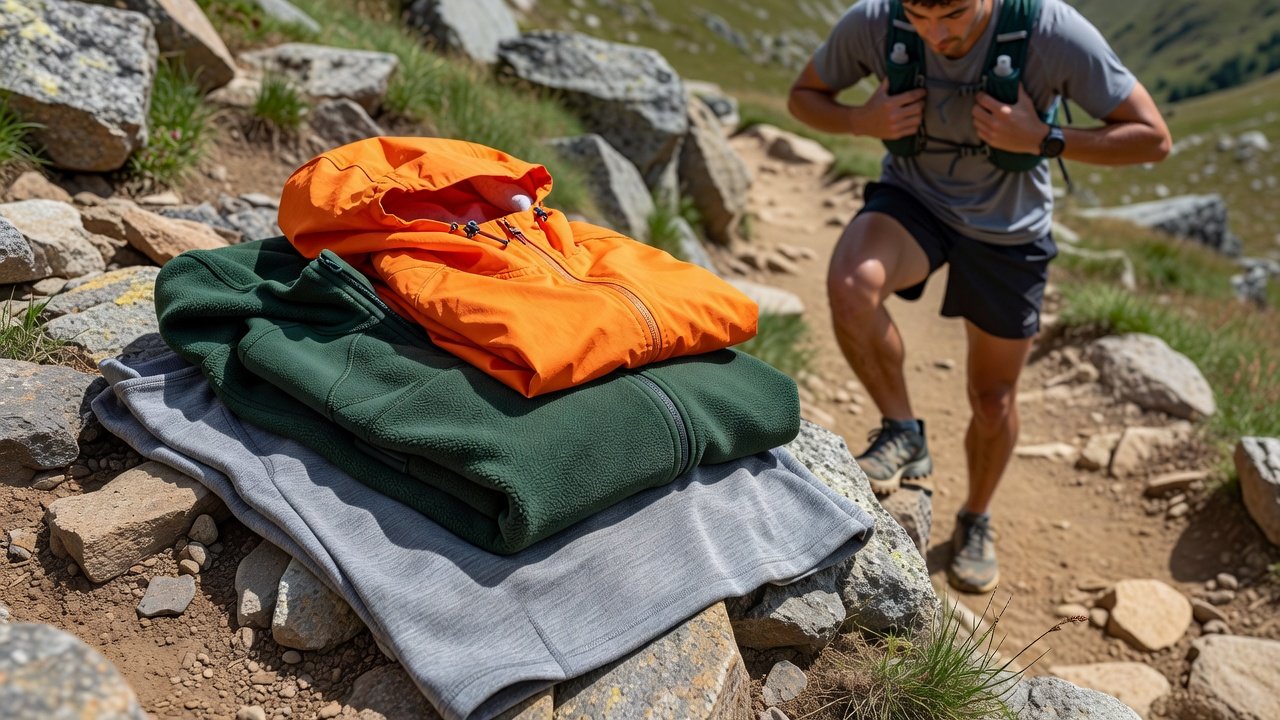
The foundation of any effective layering system starts with moisture-wicking base layers. Choose merino wool or synthetic fabrics that pull sweat away from the skin to prevent chilling. Merino offers natural odor resistance ideal for multi-hour efforts, while synthetics dry faster in humid conditions. For mid layers, focus on lightweight insulation like fleece or synthetic fill that traps heat without adding bulk. These pieces should compress easily into a running vest pocket.
Shell layers provide the outer defense against wind and rain while allowing breathability to manage internal moisture. Look for jackets with adjustable hoods and cuffs that seal out elements without restricting arm movement during technical trail sections. In 2026, many runners combine multiple shell options for different race segments.
Breathability Versus Protection Trade-Offs
Selecting the right balance requires testing gear in training runs that mimic race conditions. Runners often prioritize hybrid shells with pit zips for adjustable ventilation. In extreme scenarios, such as those seen in high-alpine ultras, combining a windproof softshell with a lightweight rain shell gives flexibility when temperatures fluctuate quickly. Breathable membranes excel on long climbs but can saturate in prolonged rain, whereas fully waterproof options add weight and may trap heat during high-output efforts.
Consider fabric technologies like those with directional moisture transport that push sweat outward while blocking external water. Always evaluate the garment's weight-to-protection ratio, as every extra gram impacts endurance over 50-mile or 100-mile distances.
Quick-Change Techniques at Aid Stations
Efficient transitions at aid stations can save valuable minutes and preserve energy. Pack layers in waterproof stuff sacks labeled for easy access. Practice removing and adding layers while moving to minimize downtime. Many 2026 competitors use modular vests with dedicated pockets for base layers and lightweight shells to enable rapid swaps without unpacking an entire drop bag. Time your changes during crew-supported stops by pre-positioning items in sequence: base first, then insulation, then shell.
Train these transitions during long runs by simulating aid station layouts at home. This builds muscle memory so race-day execution feels automatic even when fatigued.
Real 2026 Race Examples
Events like the 2026 Ultra-Trail du Mont-Blanc and Western States 100 showcased extreme layering needs. Runners who adapted quickly during sudden afternoon storms maintained better pacing and avoided hypothermia risks. Those who over-insulated during initial heat waves struggled with overheating on exposed sections. In one documented case at a European ultra, a top finisher switched from a single base layer to full shell plus mid-layer in under 90 seconds at a high-elevation checkpoint, preserving a top-five position despite incoming weather.
Another example from a North American mountain race highlighted the value of carrying a compressible puffy that doubled as both insulation and emergency warmth during an unexpected overnight delay.
Step-by-Step Packing Checklist
- Select one moisture-wicking base layer top and bottom in merino or synthetic material suited to your sweat rate.
- Include a lightweight fleece mid-layer for insulation during descents and rest periods at aid stations.
- Pack a breathable waterproof shell jacket and pants for rain and wind protection, ensuring they fit over other layers.
- Add a buff or lightweight hat for head coverage in variable conditions to retain heat or block sun.
- Carry extra socks in a dry bag for foot comfort after wet sections, plus blister prevention tape.
- Include gloves with touchscreen compatibility for navigation during cold stretches and a backup pair.
- Consider a lightweight neck gaiter and sun sleeves for heat management during daytime climbs.
- Verify all items compress into less than 500 grams total for minimal pack weight impact.
Common Mistakes to Avoid
Many ultra runners pack too many layers, adding unnecessary weight that slows them on climbs. Others choose cotton base layers that retain moisture and increase chill risk after sweating. Failing to test the full system in training often leads to surprises on race day when aid station access is limited or weather turns faster than expected. Another frequent error involves ignoring ventilation features, resulting in excessive sweat buildup that compromises insulation later.
Short FAQ on Temperature Transitions
How do I manage sudden temperature drops at night?
Start with a light base layer and add the mid-layer early during descents. Monitor body temperature closely and adjust before shivering begins. Use the shell as an outer wind barrier when moving into exposed areas.
What works best for hot daytime sections followed by cold nights?
Use a highly breathable shell during the day and carry a compressible puffy jacket for evening use. Remove layers proactively at the first sign of overheating to avoid soaking inner pieces.
Should I change layers during rain even if it means stopping?
Yes, if the shell provides significantly better protection than your current setup. Quick changes at sheltered aid stations prevent core temperature drops that could affect pacing for hours afterward.
Additional Pacing and Training Advice
Integrate layering practice into weekly long runs by wearing the full system on varied terrain. Adjust pacing when adding layers to account for slight increases in effort due to restricted movement. Monitor heart rate trends as indicators of overheating or under-dressing. Many successful 2026 athletes recommend a 10-minute test run after each layer adjustment to confirm comfort before resuming race pace.
Conclusion
Building a reliable layering system for 2026 ultra trail running combines thoughtful gear selection with practiced transitions. Focus on versatile pieces that balance breathability and protection while training regularly in similar conditions. This approach helps runners stay comfortable and safe across the most demanding weather scenarios. For further reading on trail safety, visit Runner's World and Outside Online.


No comments yet. Be the first!