 The Runner Story
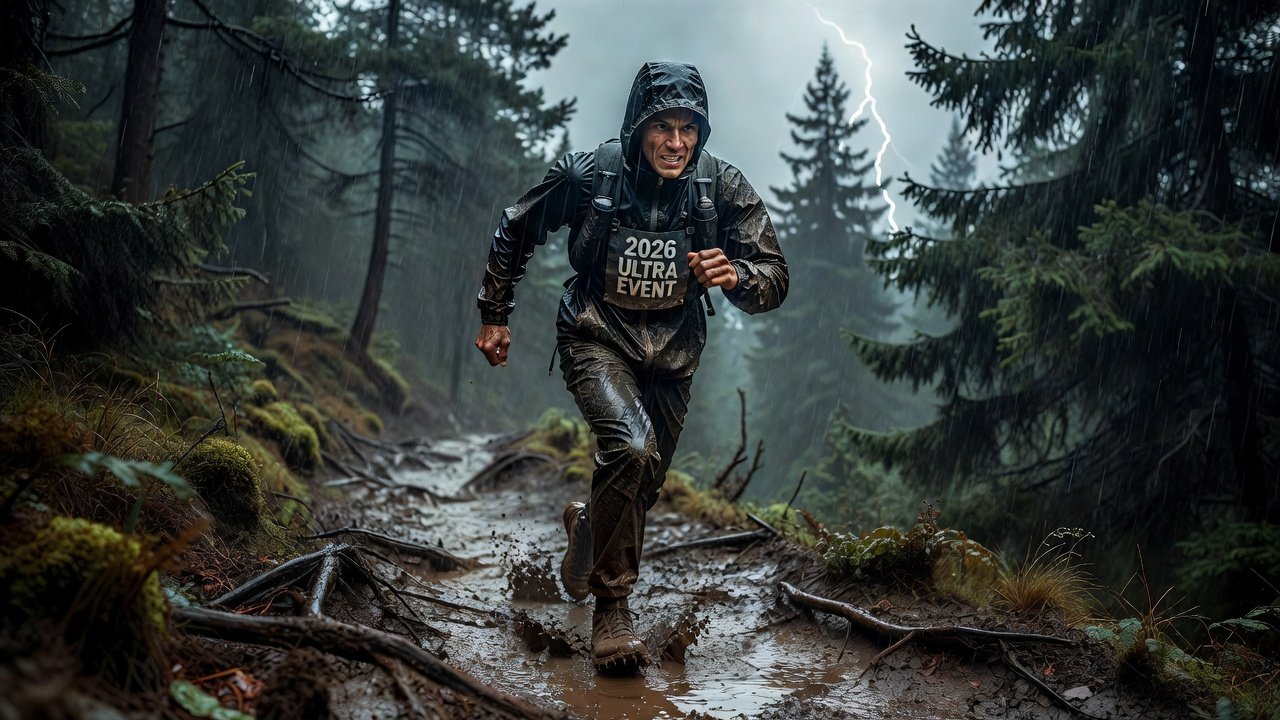
Introduction to Conquering Rain and Mud in Ultra Trail Running
Ultra trail running in 2026 demands adaptability, especially when rain turns trails into slippery mud pits. Runners face reduced traction, increased fatigue, and higher injury risks in these conditions. This guide delivers actionable strategies for gear selection, technique adjustments, and preparation to help you perform safely and efficiently. Whether you are an intermediate runner tackling your first 50K or an advanced athlete preparing for 100-mile events, mastering wet and muddy terrain can dramatically improve your finish times and reduce the likelihood of dangerous slips or DNFs. The 2026 race calendar features numerous ultras in mountainous regions where sudden weather shifts are common, making preparation essential for success.
Understanding the Unique Challenges of Wet Terrain
Mud reduces grip and increases energy expenditure by up to 20-30% on steep sections. Variable weather adds unpredictability, with sudden downpours creating rivers on paths. Intermediate runners often underestimate these factors, leading to slower splits or DNFs, while advanced athletes refine foot placement and pacing to maintain momentum. In addition, mud can hide rocks, roots, and holes, raising the risk of ankle rolls. Prolonged exposure to cold, wet conditions also leads to hypothermia risks and muscle stiffness. Understanding how mud affects different trail surfaces—such as clay that becomes slick versus loose soil that turns into deep ruts—allows runners to anticipate changes and adjust stride patterns proactively during long efforts.
Essential Gear Selection for Waterproof Protection
Choose a lightweight waterproof shell with full-zip ventilation to manage sweat during long efforts. Gaiters prevent debris entry and keep feet drier on muddy courses. Traction devices like micro-spikes provide bite on slick roots and rocks. Pair these with quick-dry base layers and merino wool socks for blister prevention. Test all items in training runs mimicking race conditions. Look for shells with adjustable hoods and pit zips for temperature regulation. When selecting gaiters, ensure they fit securely over your specific shoe model without adding bulk. Traction aids should be easy to attach and remove at aid stations. Additional considerations include packing a compact rain skirt for extra lower-body protection and using trekking poles with ergonomic grips that perform well when hands are wet and cold.
Pacing Adjustments and Footwork Techniques
Adopt a conservative early pace on muddy descents to conserve energy. Shorten strides and focus on quick turnover rather than power. Land midfoot with slight knee flexion to absorb impact and maintain balance. On climbs, use hiking poles for stability while keeping weight forward. Practice these drills on local wet trails to build muscle memory. Incorporate specific footwork exercises such as high-knee drills on uneven surfaces and lateral shuffles to improve agility. Monitor heart rate closely and back off when effort spikes due to slipping. In extended muddy sections, alternate between running and power hiking to preserve quads and calves for later race stages. Many 2026 event finishers reported that breaking the course into micro-segments helped maintain consistent effort levels despite changing trail conditions.
Pre-Race Preparation Checklist
- Review course maps for known muddy sections and elevation profiles.
- Pack layered clothing options including a shell, buff, and extra socks.
- Apply anti-chafe balm to feet and test gaiters with chosen shoes.
- Simulate race nutrition in rainy conditions during long training runs.
- Confirm race-day weather forecasts and adjust drop bag contents accordingly.
- Inspect all gear for wear and practice quick changes in wet conditions.
- Plan hydration strategy accounting for reduced thirst cues in cold rain.
Real-World Examples from 2026 Ultra Events
At the 2026 UTMB, multiple top finishers credited aggressive gaiter use and pole-assisted footwork for navigating the rain-soaked final loops without major slips. Similarly, competitors in the Western States 100 adapted pacing after early mud sections, conserving energy for stronger finishes on drier trails later in the race. In the 2026 Cocodona 250, runners who pre-treated shoes with waterproofing sprays maintained better traction through Arizona monsoon mud, finishing ahead of those who skipped this step. These examples highlight the value of testing gear combinations during training that replicate race-day weather variability.
Injury Prevention Tips for Muddy Conditions
Strengthen ankles and hips with targeted exercises like single-leg balances and resistance band work. Monitor for early signs of knee strain from uneven footing. Warm up thoroughly before starts and incorporate dynamic stretches. Stay hydrated to support joint health, and consider compression sleeves for added stability on technical terrain. Include core stability routines such as planks and bird dogs to improve overall balance. After muddy runs, perform gentle mobility work to counteract tightness in calves and hip flexors. Runners who incorporate weekly strength sessions focused on eccentric loading report fewer overuse injuries when racing in variable weather.
Comparing Popular Mud-Ready Shoe Models
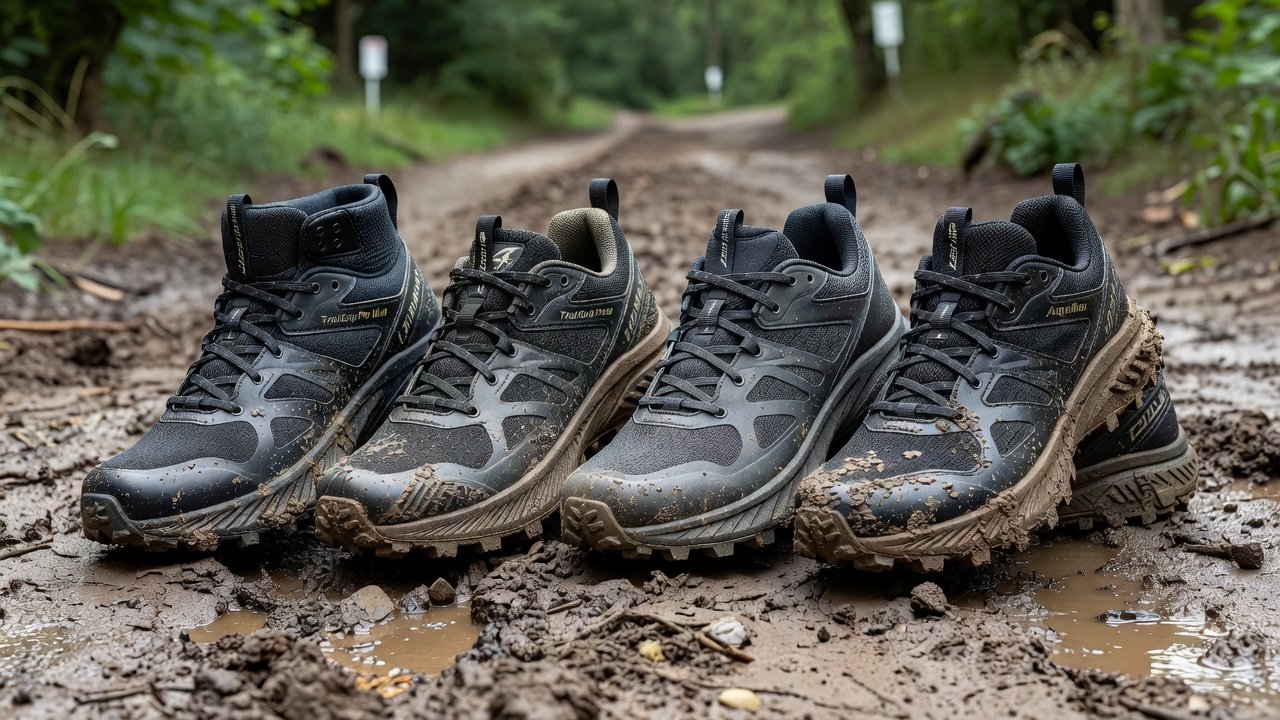
Several models excel in wet mud with aggressive lugs and protective uppers. Options like the Salomon Speedcross series offer deep tread for grip, while Hoka Speedgoat variants provide cushioned stability. Nike Ultrafly prioritizes lightweight agility, and La Sportiva models emphasize durability on rocky mud. Compare based on your foot shape, preferred drop, and typical race distances rather than brand alone. The Salomon Speedcross excels in deep mud due to its aggressive chevron lugs but may feel less stable on hardpack. Hoka Speedgoat offers plush cushioning that protects feet during long slogs but can collect more mud. Nike Ultrafly delivers responsive energy return suitable for faster runners, whereas La Sportiva shoes provide reinforced toe boxes ideal for technical descents. Try on multiple pairs with gaiters to ensure compatibility before committing to a race-day choice.
Post-Run Cleaning Routines
Immediately rinse shoes and gaiters with cool water to remove mud before it dries. Use a soft brush on soles and air-dry away from direct heat. Wash shells on gentle cycles with technical detergent, then reapply DWR treatments as needed. Store gear in a ventilated area to prevent mildew and extend lifespan. Disassemble removable insoles and dry them separately. For stubborn dirt, a mild vinegar solution helps break down organic residue without damaging fabrics. Regular maintenance prevents premature wear and ensures gear performs reliably across multiple rainy events.
Frequently Asked Questions
What is the biggest mistake runners make in variable weather?
Overdressing or ignoring foot care leads to overheating and blisters. Always prioritize breathable layers and frequent sock changes.
How do I choose between waterproof and water-resistant shells?
Waterproof options suit prolonged rain, while water-resistant shells work better for intermittent showers with more breathability.
Are traction devices necessary for all muddy ultras?
They provide an edge on icy or root-heavy sections but add weight; test them in training to decide based on expected conditions.
How can I improve visibility during heavy rain?
Use a headlamp with a wide beam and consider a clear visor attachment to shield eyes from driving rain while maintaining forward sightlines.
For additional authoritative guidance on trail safety and endurance running, consult resources from Runner's World and Outside Online.
Conclusion
Mastering rain and mud in ultra trail running requires deliberate preparation, smart gear choices, and adaptable techniques. By following the strategies outlined above and learning from real 2026 race experiences, runners can turn challenging conditions into opportunities for strong performances. Consistent practice in wet weather will build the confidence needed to excel in any 2026 ultra event.

No comments yet. Be the first!