 The Runner Story

Introduction
Ultra running demands exceptional endurance, but extreme weather adds layers of complexity that can either derail training or accelerate gains when handled correctly. Runners who master adaptive techniques in heat, cold, and storms often see improved resilience and performance. This guide explores evidence-based strategies to minimize risks while maximizing training benefits across all seasons and conditions. Whether facing scorching deserts, frozen trails, or sudden thunderstorms, the right preparation transforms obstacles into opportunities for growth. Athletes who consistently train in variable weather develop superior physiological adaptations, including better thermoregulation and mental fortitude, leading to stronger race-day performances.
Training in Extreme Heat
High temperatures increase core body heat and dehydration risk dramatically. Begin with acclimatization protocols: gradually increase exposure over 10–14 days by running during warmer hours and monitoring heart rate closely. Step-by-step, start with 20-minute sessions and build duration while tracking perceived exertion on a scale of 1 to 10. Focus on shaded routes and trails with natural water sources whenever possible. Key adjustments include shortening midday runs and shifting to early morning or evening workouts to avoid peak solar intensity. Hydration planning becomes critical—consume fluids with electrolytes at regular intervals rather than waiting for thirst signals. Incorporate cooling strategies such as ice vests or neck wraps during longer sessions. Real-world examples show that runners who follow structured heat training improve their ability to maintain pace in races held in similar conditions by up to 15 percent over a single season.
Cold Weather Adaptations
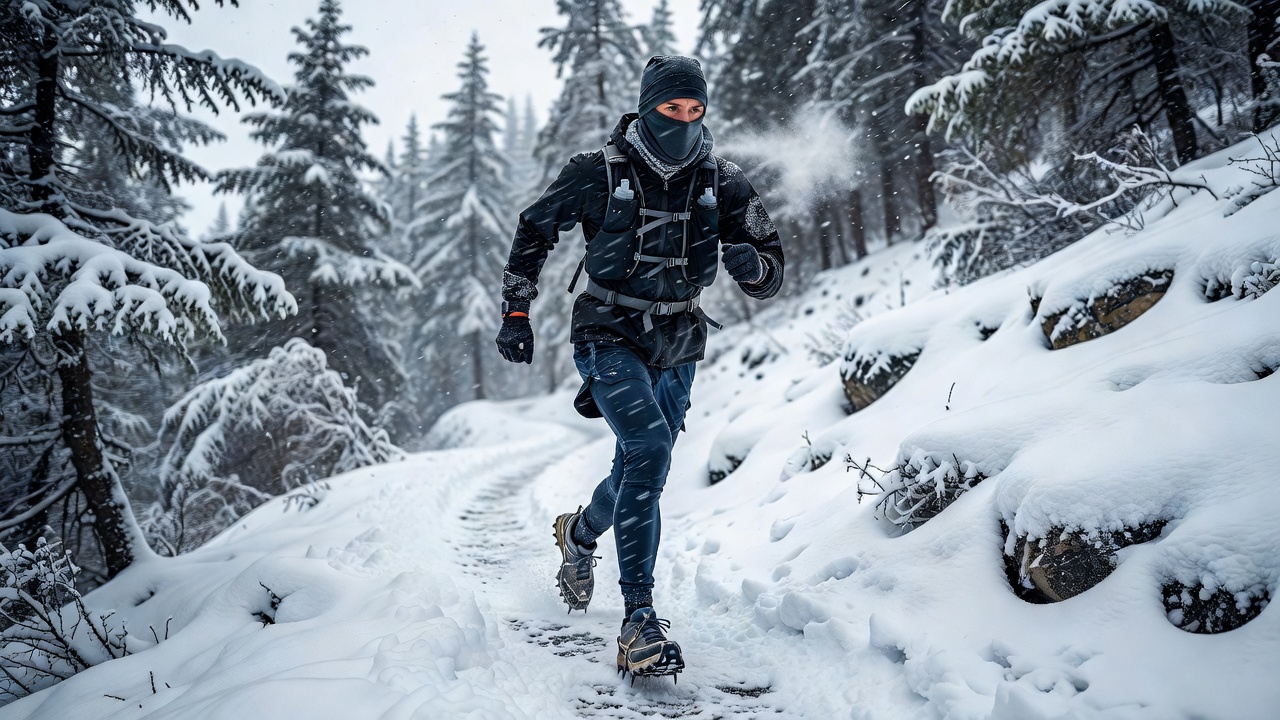
Freezing conditions require layered clothing systems and awareness of frostbite and hypothermia signs. Use moisture-wicking base layers, insulating mid-layers, and windproof shells to trap heat effectively without restricting movement. Warm-up routines should extend 15–20 minutes longer than usual to prepare joints and muscles for the stress of cold air. Trail traction devices and visibility aids like reflective gear help maintain safety on icy paths. Many athletes report stronger aerobic bases after consistent winter training blocks because the body works harder to maintain temperature. Always check wind chill factors before departing and carry emergency layers in a small pack. Progressive exposure helps the body adapt, reducing the shock of sudden temperature drops during races.
Handling Storms and Variable Conditions
Thunderstorms, high winds, and sudden temperature drops demand real-time decision making. Check forecasts from reliable sources such as NOAA before heading out and set clear turnaround criteria based on lightning proximity or visibility loss. Develop contingency routes that allow quick shelter access and inform a partner of your planned path. Flexible training plans that include indoor alternatives or shorter efforts preserve consistency without unnecessary risk. In variable mountain environments, microclimates can change rapidly, so carrying a lightweight emergency bivy and communication device adds an essential safety margin.
Gear Selection for All Conditions
Invest in versatile, weather-specific equipment that has been tested in real conditions. Breathable jackets, insulated vests, and quick-dry accessories reduce chafing and overheating while providing protection. Consider these essential items in a bulleted list for quick reference:
- Waterproof shell with taped seams for rain and wind
- Merino wool base layers for temperature regulation in both heat and cold
- Trail shoes with aggressive lugs and optional gaiters for mud or snow
- Headlamp with extra batteries plus reflective tape for low-light storms
- Portable electrolyte tablets and calorie-dense gels stored in sealed bags
Quality footwear with aggressive tread patterns and gaiters prevents debris entry in muddy or snowy terrain. Test all gear during shorter runs first to identify fit issues before committing to long efforts.
Pace Adjustments and Strategy
Modify target paces based on conditions—expect 10–20% slower efforts in extreme heat or snow due to increased energy expenditure. Use perceived effort and heart-rate zones rather than strict speed goals to avoid overexertion. Incorporate walk breaks strategically during long efforts, especially on technical terrain affected by weather. Training logs from athletes show that those who adjust pace intelligently complete more consistent mileage over months compared to those who push rigid targets and suffer setbacks.
Nutrition and Hydration Tweaks
Extreme weather alters fuel needs significantly. In heat, prioritize sodium and fluid replacement to offset sweat losses; in cold, focus on calorie-dense, easily digestible options to maintain energy because appetite often decreases. Carry backup supplies in case of extended exposure or route changes. Research from institutions like NIH highlights the importance of balanced electrolyte intake to prevent cramping and cognitive decline. Practice race-day nutrition during training runs in similar weather to refine tolerance and avoid gastrointestinal issues.
Mental Preparation Techniques
Build psychological resilience through visualization and controlled exposure sessions. Practice breathing exercises and positive self-talk to manage discomfort when conditions deteriorate. Journaling post-run helps identify patterns and refine future responses, turning each challenging session into a learning opportunity. Many successful ultra runners credit mental training as the deciding factor between finishing and dropping out in adverse weather events.
Real-World Athlete Examples
Elite ultra runner Courtney Dauwalter has demonstrated success by adjusting training intensity during heat waves while maintaining high weekly mileage through smart scheduling. Similarly, athletes in Nordic countries routinely train through sub-zero temperatures using layered systems and indoor strength sessions to sustain gains. Another example comes from Appalachian Trail runners who adapt to frequent storms by shortening daily segments and prioritizing recovery nutrition, resulting in fewer injuries over multi-day efforts.
Comparing Training Outcomes
Runners who adapt effectively often record faster race times and fewer injuries compared to those who avoid adverse conditions entirely. Consistent exposure builds superior thermoregulation and mental toughness, leading to measurable improvements in VO2 max and lactate threshold over a season. Data from training groups indicates that athletes incorporating weather-specific protocols achieve 10–25% better endurance metrics than peers training only in ideal conditions.
Step-by-Step Safety Protocols
Follow these protocols to stay safe: 1) Assess weather 24 hours in advance and again on the day. 2) Pack layers and nutrition according to the worst expected scenario. 3) Set strict time or distance cutoffs. 4) Monitor body signals every 15 minutes. 5) Abort immediately at signs of distress. These steps reduce risk while allowing productive training.
Common Mistakes to Avoid
Avoid overdressing in cold weather, ignoring early dehydration signs in heat, or failing to test new gear. Skipping extended warm-ups or neglecting post-run recovery nutrition also leads to setbacks. Learning from these errors accelerates long-term progress.
FAQ
What safety precautions are essential in extreme heat?
Monitor core temperature signs, carry extra water, and abort runs if dizziness occurs. Consult resources from CDC for heat illness prevention strategies.
How do I avoid common mistakes in cold weather?
Never overdress, always layer properly, and check extremities frequently. Skipping warm-ups is a frequent error that leads to injury.
Is it safe to train during storms?
Avoid lightning exposure and high winds. Have clear cancellation criteria and indoor backup plans ready.
What nutrition changes help most in variable weather?
Adjust electrolyte balance for heat and increase caloric density for cold; always carry extras and test during training.
Conclusion
Adapting ultra running to extreme weather transforms challenges into opportunities for endurance growth. By focusing on gear, pacing, nutrition, and mindset with detailed protocols, runners can train year-round with confidence and achieve lasting performance improvements across any condition.


No comments yet. Be the first!