 The Runner Story

Introduction: Thriving in Ultra Running Beyond 40
Ultra running demands exceptional endurance, mental resilience, and strategic preparation. For women over 40, these elements intersect with unique physiological shifts that require thoughtful adaptation. In 2026, female ultra runners in this age group are achieving remarkable feats by blending core endurance principles with targeted interventions for hormones, bones, and recovery. This guide explores evidence-based approaches to build sustainable endurance while addressing perimenopause and postmenopausal considerations. Many women discover their peak ultra performance in their 40s and beyond when they prioritize recovery and strength alongside mileage. Understanding these dynamics allows athletes to train smarter and reduce injury risk. Whether preparing for a 50k or 100-mile event, the focus shifts from pure volume to quality training that respects the body's evolving needs.
Hormonal Shifts and Their Impact on Endurance
Perimenopause typically begins in the mid-40s, bringing fluctuations in estrogen and progesterone that affect energy levels, recovery, and thermoregulation. Lower estrogen can reduce mitochondrial efficiency, impacting how muscles utilize oxygen during long efforts. Runners often notice increased fatigue or disrupted sleep, which compounds training stress. Postmenopause further alters these patterns, with potential decreases in muscle mass and shifts in fat metabolism. Tailored endurance work focuses on consistent low-intensity volume to build aerobic base without overwhelming the system. Incorporating periodized training that aligns with menstrual cycle remnants or symptoms helps maintain consistency. For example, scheduling harder sessions during higher-energy phases and easing back during symptomatic periods can prevent burnout. Yoga and mindfulness practices also support hormonal balance by reducing cortisol levels, which often rise during this life stage.
Recognizing Symptoms and Adapting Training
Common symptoms include night sweats, mood changes, and joint stiffness. Tracking these alongside training logs reveals patterns, enabling proactive adjustments like shortening long runs when fatigue peaks. Many athletes report success with flexible training plans that emphasize listening to the body over rigid schedules.
Bone Density Considerations for Long-Term Health
Women lose bone density at accelerated rates after 40, raising concerns for stress fractures in high-impact ultra training. Weight-bearing activities remain essential, but they must pair with strength work to stimulate bone remodeling. Impact activities like running provide benefits, yet excessive volume without recovery can increase fracture risk. Consulting healthcare providers for bone density scans and ensuring adequate calcium and vitamin D intake supports skeletal integrity. Many athletes incorporate low-impact cross-training such as cycling or swimming on recovery days to maintain fitness while protecting bones. Specific exercises like heel drops and single-leg stands further enhance lower-body bone strength when performed regularly.
Preventing Fractures Through Integrated Approaches
Combining running with resistance training creates a synergistic effect. Runners should aim for progressive loading in the gym, gradually increasing weights to mimic trail demands. Regular monitoring and early intervention help sustain long careers in the sport.
Tailored Strength Training for Ultra Endurance
Strength work is non-negotiable for women over 40. It counters sarcopenia, improves running economy, and bolsters joint stability on technical trails. Focus on compound movements like squats, deadlifts, and lunges performed twice weekly, emphasizing posterior chain and core stability. Include single-leg exercises to address imbalances common in runners. Sessions lasting 30-45 minutes with progressive overload yield results without excessive fatigue. 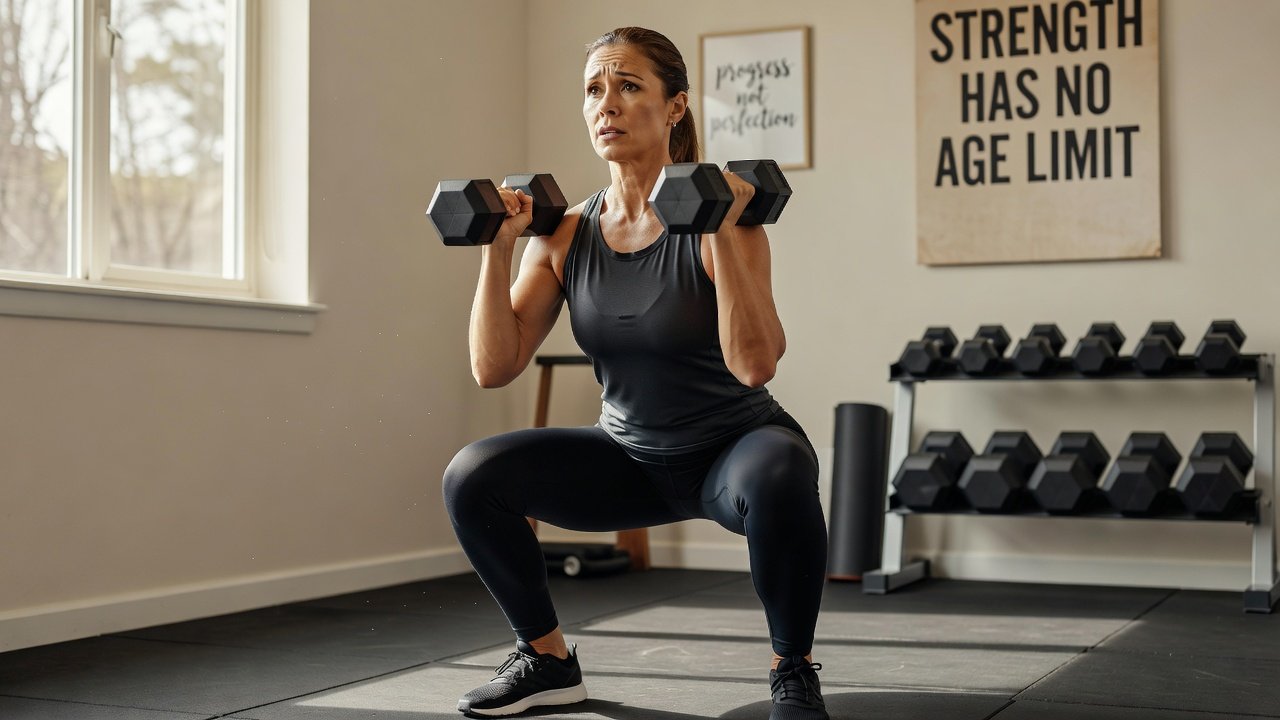
Sample Strength Session Breakdown
A typical session might include three sets of 8-12 reps of goblet squats, Romanian deadlifts, glute bridges, and plank variations. Adding resistance bands for hip abductions targets common weaknesses in female runners. Consistency here translates directly to better endurance on race day by improving power output and reducing fatigue in later miles.
Core Endurance Training Principles
Build aerobic capacity through long slow distance runs, aiming for 80% of training at easy effort. Incorporate hill repeats and tempo sessions sparingly to develop power. Weekly mileage increases should stay under 10% to allow adaptation. Focus on time on feet rather than pace during base-building phases to develop the durability needed for ultras.
Sample Weekly Schedule for Intermediate Ultra Runner Over 40
Monday: Rest or gentle yoga for mobility. Tuesday: 45-minute strength session followed by a 5-mile easy run. Wednesday: 8-mile trail run incorporating hills for strength and endurance. Thursday: 6-mile easy run with short strides to maintain form. Friday: Active recovery via 45-minute swim or bike ride. Saturday: 12-18 mile long run at conversational pace, practicing nutrition intake. Sunday: 4-mile easy jog plus extended mobility work. Adjust volume based on individual response and symptoms, always including a deload every fourth week.
Recovery Protocols Adjusted for Perimenopause
Sleep optimization and active recovery become critical. Prioritize 7-9 hours nightly and consider magnesium-rich foods if deficient. Cold therapy or contrast baths aid inflammation management post-long runs. Schedule deload weeks every fourth week to prevent overtraining. Additional techniques include foam rolling, massage therapy, and breathing exercises to lower stress. Athletes who master recovery often outperform those focused solely on mileage.
Practical Nutrition Tweaks for Sustained Energy
Focus on protein intake to support muscle repair, timing carbohydrates around key sessions for glycogen replenishment. Anti-inflammatory foods like fatty fish and berries help manage joint discomfort. Hydration strategies should account for potential sweat rate changes. Experiment with whole-food options during long runs and maintain consistent meal timing to stabilize energy. Many women find success adding collagen peptides or omega-3 sources to daily routines for joint and tissue support.
2026 Gear and Tracking Tools
Modern GPS watches with advanced recovery metrics and hormonal cycle tracking features empower precise training. Lightweight trail shoes with enhanced cushioning and stability support longer efforts on varied terrain. Breathable layered apparel designed for fluctuating body temperatures proves invaluable. Emerging tools include AI-driven coaching apps that analyze sleep and heart rate variability to suggest daily adjustments. These innovations help athletes train with greater precision than ever before.
Explore resources from Mayo Clinic for menopause guidance, National Institutes of Health for bone health insights, and Centers for Disease Control and Prevention for physical activity recommendations.
Real Athlete Case Examples
Consider Lisa, a 47-year-old who completed her first 100-mile race after integrating twice-weekly strength sessions and cycle-aware training. She reduced injury downtime by 60% through better recovery protocols and now mentors others in her running club. Another athlete, Maria at 52, credits consistent hill work and nutrition tweaks for her podium finish in a 50k event; she emphasizes gradual mileage builds and regular bone scans. A third example is Karen, 44, who overcame severe perimenopausal fatigue by shifting to time-based training and incorporating more rest days, ultimately qualifying for a major ultra championship.
FAQ on Common Barriers
- How do I manage hot flashes during runs? Layer clothing, schedule cooler times of day, and stay hydrated with electrolyte solutions.
- Is it safe to increase mileage after 40? Yes, with gradual progression, strength support, and professional medical clearance.
- What if perimenopause disrupts sleep? Establish consistent wind-down routines, limit screens, and consult healthcare providers for personalized strategies.
- How important is strength training really? It directly reduces injury risk and improves running efficiency, making it essential for longevity in the sport.
- Can I still race competitively? Absolutely—many women set personal bests in their 40s and 50s by training intelligently.
Conclusion
Female ultra runners over 40 in 2026 possess powerful tools to excel. By integrating hormonal awareness, bone-protective strength, smart recovery, and current technology, athletes build enduring fitness that lasts. Start with small, consistent changes and track progress to unlock your potential on the trails. The journey rewards those who adapt thoughtfully and persist with patience.


No comments yet. Be the first!