 The Runner Story

Introduction to Gut Training for Ultra Runners
Ultra running pushes the human body to extremes, requiring not only exceptional cardiovascular fitness and muscular endurance but also a digestive system capable of processing large volumes of nutrition over many hours. Many runners focus heavily on mileage and strength work yet overlook gut training, which is the systematic adaptation of the stomach and intestines to handle race-day fuel intake without causing nausea, cramps, or diarrhea. By training your gut, you can increase carbohydrate absorption rates, maintain steady energy levels, and reduce the risk of gastrointestinal (GI) distress that sidelines countless athletes during 50-mile, 100-kilometer, and 100-mile events. This comprehensive guide explores the underlying science, step-by-step protocols, timing strategies, carb source comparisons, and real-world examples to help you build lasting endurance through better nutrition tolerance.
The Science Behind Digestive Adaptation
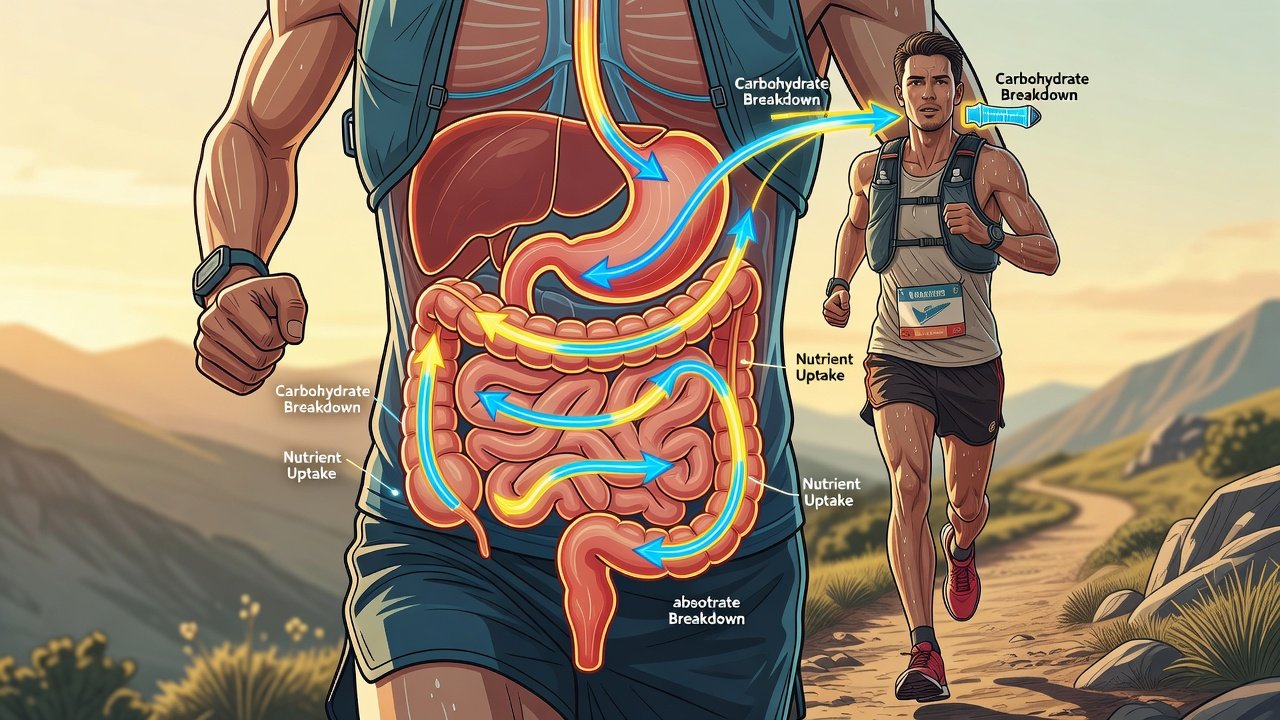
During prolonged endurance exercise, blood flow is redirected from the digestive organs to the working muscles and skin for cooling. This reduction in splanchnic circulation slows gastric emptying and intestinal absorption, leading to undigested food sitting in the stomach and causing discomfort. Over time, repeated exposure to high-carbohydrate solutions triggers physiological changes: the intestines upregulate glucose transporters such as SGLT1 and GLUT5, allowing faster nutrient uptake even under stress. Studies demonstrate that athletes who practice consistent gut training can improve their carbohydrate oxidation rates by 15 to 25 percent within six to eight weeks. This adaptation also enhances tolerance to higher fluid volumes and reduces the inflammatory response in the gut lining. Understanding these mechanisms helps runners appreciate why simply eating more on race day without prior training often fails, while a structured approach yields reliable performance gains.
Gradual Exposure Protocols
Successful gut training follows a progressive overload principle similar to mileage increases. Begin by assessing your current tolerance during a 60- to 90-minute easy run, consuming 20 to 30 grams of carbohydrate per hour from your chosen race fuel. Each subsequent week, extend run duration by 30 to 45 minutes while adding 10 grams of carbohydrate hourly. Aim to reach 60 to 90 grams per hour by week eight for most ultra distances. Include at least one back-to-back long-run weekend every three weeks to mimic cumulative fatigue. Always replicate race conditions by using the exact brands, concentrations, and temperatures of nutrition you plan to consume. Track symptoms in a training log, noting any bloating, urgency, or energy dips, and adjust the ramp rate downward if issues persist for more than two sessions.
Timing Strategies During Long Runs
Strategic timing prevents both early depletion and late-stage overload. Consume your first 15 to 20 grams of carbohydrate within the initial 20 to 30 minutes of a long run to maintain blood glucose before glycogen stores drop significantly. Thereafter, aim for smaller doses every 15 to 20 minutes rather than large boluses that can overwhelm gastric emptying. For runs exceeding four hours, alternate between liquid and semi-solid sources such as rice cakes or mashed potatoes to vary texture and reduce sweetness fatigue. In hot weather, increase fluid intake alongside calories while monitoring urine color to avoid dehydration-thickened gut contents. Practice these intervals during midweek tempo sessions and weekend long runs so the routine becomes automatic on race day.
Common GI Pitfalls and How to Avoid Them
- Attempting rapid increases in carbohydrate load without adequate adaptation time, which triggers osmotic diarrhea; counteract this by extending the ramp period to 10 to 12 weeks.
- Ignoring hydration, leading to concentrated gut contents; maintain 500 to 750 milliliters of fluid per hour with appropriate electrolytes.
- Introducing high-fiber or high-fat foods within 24 hours of key sessions; stick to low-residue options the day before long runs.
- Using untested supplements or flavor changes on race morning; complete all experimentation at least three weeks prior.
- Neglecting heat acclimation, which compounds gut stress; incorporate sauna sessions or hot-environment runs twice weekly during the final build phase.
Comparing Carb Sources That Minimize Distress
Not all carbohydrates are equal when it comes to gut comfort. A 2:1 glucose-to-fructose ratio leverages multiple intestinal transporters, allowing up to 90 grams per hour with lower GI risk compared with single-source glucose. Maltodextrin provides rapid energy with minimal sweetness and mixes well in bottles. Real-food alternatives such as bananas, dates, or cooked rice offer additional micronutrients but introduce variable fiber and water content that can cause unpredictable absorption. Commercial gels and drinks with added electrolytes simplify logistics yet may contain artificial sweeteners that irritate some runners. Test each option across multiple long runs, comparing perceived effort, stomach feel, and post-run recovery. Many experienced ultra athletes settle on a hybrid approach: liquid mixes for the first half of a race and solid calories later when chewing becomes desirable.
Sample Weekly Gut Training Schedule
Here is a practical eight-week template adaptable to individual fitness levels. Weeks 1-2 focus on 40 to 50 grams per hour during runs of two to three hours. Weeks 3-4 increase to 55 to 65 grams during three- to four-hour efforts, including one midweek 90-minute session. Weeks 5-6 target 70 grams per hour on back-to-back long runs totaling five to six hours. Weeks 7-8 simulate race intake of 75 to 90 grams per hour during a single five-hour effort followed by an easy two-hour recovery run the next day. Include one full rest day after the hardest nutrition session and monitor morning heart rate and sleep quality to ensure recovery keeps pace with the added stress.
Real-Runner Examples and Step-by-Step Plans
Consider Sarah, a 45-year-old runner preparing for her first 100-mile race. She began with 30 grams per hour on two-hour runs and methodically increased to 80 grams by week 10, ultimately finishing without GI issues after previously dropping out at mile 60 due to nausea. Another athlete, Marcus, switched from commercial gels to a homemade maltodextrin-fructose mix after repeated stomach cramps; his step-by-step plan involved three test runs at varying concentrations, logging absorption speed, and finalizing a 75-gram-per-hour recipe that he now uses in every ultra. To implement your own plan, first record baseline tolerance on a familiar route, set incremental weekly targets, photograph or note symptoms after each session, refine concentrations or timing based on data, and complete at least two full race-nutrition simulations before taper week.
Monitoring Progress and Adjusting Your Approach
Effective gut training requires ongoing feedback. Weigh yourself before and after long runs to calculate fluid loss, and correlate weight changes with calorie intake to identify absorption shortfalls. Use a simple 1-to-10 scale for stomach comfort every 30 minutes during training. If scores drop below 6 consistently, reduce carbohydrate concentration by 10 grams or slow the feeding interval. Incorporate blood glucose monitoring devices if available to verify that ingested carbs are actually entering the bloodstream. Reassess every three weeks and be willing to extend the timeline rather than force progress that leads to setbacks.
Integrating Hydration and Electrolytes with Gut Training
Nutrition and hydration are inseparable. Practice consuming your target calories alongside 400 to 600 milligrams of sodium per hour, adjusting for sweat rate measured in hot training sessions. Test both hypotonic and isotonic mixtures to determine which empties fastest from your stomach. Many runners find that slightly hypotonic solutions (around 4 to 6 percent carbohydrate) improve comfort while still delivering adequate energy. Document sodium sources such as tablets or powdered mixes that do not cause additional GI load.
Mistakes to Avoid During Gut Training
Common errors include skipping sessions when runs feel easy, failing to practice in race-specific weather, changing nutrition brands too close to the event, and neglecting recovery nutrition after long efforts. Avoid these by treating gut training with the same seriousness as mileage or speed work, scheduling it into your calendar, and maintaining consistency even on shorter midweek runs.
FAQ: Ideal Calorie Intake and Frequent Questions
What is the ideal calorie intake per hour? Most ultra runners perform best between 200 and 350 calories, translating to 50 to 90 grams of carbohydrate, though this varies by body size and pace. How long does it take to see results? Noticeable improvements typically appear after four to six weeks of consistent practice. Can gut training help with heat-related nausea? Yes, because better absorption reduces the volume of undigested material contributing to discomfort. Should I train the gut year-round? Maintenance sessions every two to three weeks during off-season keep tolerance high without requiring full race volumes.
Conclusion
Gut training represents one of the highest-return investments an ultra runner can make. By systematically adapting your digestive system through gradual exposure, precise timing, and careful carb selection, you transform nutrition from a potential race liability into a dependable endurance asset. Track your progress diligently, remain patient with the process, and integrate these strategies with your overall training plan for measurable performance improvements. For further reading on exercise physiology and sports nutrition, consult resources from NCBI, Mayo Clinic, and ACSM.


No comments yet. Be the first!