 The Runner Story

Introduction
Ultra running places extraordinary demands on the body, requiring sustained energy output over distances that can span 50 miles or more. While training volume, pacing, and gear often dominate discussions, the gut microbiome remains an underappreciated yet decisive factor in endurance success. A balanced gut ecosystem supports efficient nutrient absorption, modulates inflammation, and helps prevent the gastrointestinal distress that sidelines many experienced athletes during long efforts. This comprehensive guide examines the science linking microbiome health to ultra performance and delivers actionable strategies for reducing GI issues while maximizing energy utilization.
Experienced runners frequently report that mid-race nausea, bloating, or diarrhea stems from disrupted gut function rather than simple fueling errors. By addressing microbiome diversity through targeted nutrition and lifestyle adjustments, athletes can achieve steadier energy levels, faster recovery, and fewer interruptions during training blocks and races. The following sections break down the mechanisms, compare approaches, and outline a complete 30-day implementation plan with tracking methods.
The Microbiome's Role in Endurance Performance
The human gut hosts trillions of microorganisms that produce metabolites influencing systemic physiology. Short-chain fatty acids generated by beneficial bacteria serve as fuel for colonocytes and contribute to mitochondrial efficiency during prolonged aerobic activity. Greater microbial diversity has been associated with improved lactate threshold maintenance and reduced markers of oxidative stress in endurance athletes. Conversely, reduced diversity from repetitive high-intensity training, travel, or narrow diets can increase intestinal permeability, allowing lipopolysaccharides to trigger low-grade inflammation and premature fatigue.
Evidence compiled by the National Center for Biotechnology Information demonstrates correlations between microbiome composition and VO2 kinetics in distance runners. For ultra athletes, this translates to more reliable pacing in the final third of events when glycogen stores are depleted and the body relies heavily on fat oxidation and microbial-derived energy substrates. Maintaining diversity also supports immune regulation, decreasing the frequency of upper-respiratory infections that disrupt training consistency.
Anti-Inflammatory Nutrition Strategies
Nutrition forms the cornerstone of microbiome support. Prioritize a wide array of plant foods rich in polyphenols and fermentable fibers to nourish beneficial species. Incorporate daily servings of berries, cruciferous vegetables, nuts, seeds, and legumes. Replace refined sugars in training nutrition with complex sources such as oats, quinoa, or roasted root vegetables to avoid feeding pro-inflammatory microbes. Omega-3 fatty acids from sources like walnuts, chia seeds, and wild-caught fish help lower gut wall inflammation and improve membrane integrity.
Practical meal examples include a breakfast of overnight oats topped with kefir, blueberries, and ground flaxseed, or a post-run recovery bowl featuring grilled salmon, mixed greens, avocado, and fermented pickles. During long runs, experiment with whole-food alternatives to commercial gels, such as mashed sweet potato pouches seasoned with cinnamon. These choices reduce osmotic load in the intestine while providing sustained carbohydrates. Many ultra runners find that gradually increasing weekly plant diversity to 30 or more unique types leads to measurable improvements in stool consistency and energy stability within three weeks.
Targeted Supplements and Probiotics
Supplements can accelerate repair when used strategically alongside diet. Multi-strain probiotics featuring Lactobacillus plantarum, Bifidobacterium longum, and Saccharomyces boulardii have demonstrated efficacy in minimizing exercise-induced GI symptoms. Begin with 10–20 billion CFU daily taken at bedtime to minimize interference with training nutrition. Prebiotic fibers such as partially hydrolyzed guar gum or acacia provide selective nourishment for existing beneficial colonies without rapid fermentation that causes gas.
Support intestinal barrier function with 5–10 grams of L-glutamine or 75 mg of zinc carnosine daily during heavy training periods. Monitor tolerance closely, as individual responses vary. Avoid introducing multiple supplements simultaneously; instead, layer one new element every seven days while logging symptoms. This measured approach prevents the common pitfall of overwhelming the digestive system during peak mileage weeks.
Real Athlete Case Studies
A 42-year-old female ultrarunner preparing for a 100-mile mountain race experienced repeated mid-race vomiting episodes. After six weeks of adding daily sauerkraut, increasing vegetable variety, and incorporating a targeted probiotic, she reported complete elimination of nausea and finished 38 minutes faster than her previous attempt. In another example, a male trail runner in his mid-30s dealing with chronic loose stools during back-to-back training weekends introduced soil-based organism supplements and reduced artificial sweeteners. Within four weeks, stool quality normalized, and he maintained consistent power output across 30-hour training weeks without the previous energy crashes.
Comparing Popular Gut-Health Approaches
- Low-FODMAP elimination: Useful for short-term trigger identification but limits training fuel variety and is difficult to sustain across multi-week training cycles.
- High-fiber plant diversity: Builds robust microbiome resilience and supports long-term endurance but demands slow titration to avoid acute bloating during high-volume periods.
- Probiotic cycling: Rotating formulations every four to six weeks may reduce adaptation risk, though consistent daily use of evidence-based strains shows stronger outcomes in athlete studies.
- Whole-food fermentation focus: Cost-effective and sustainable, delivering both prebiotic and probiotic benefits while integrating easily into race-week nutrition plans.
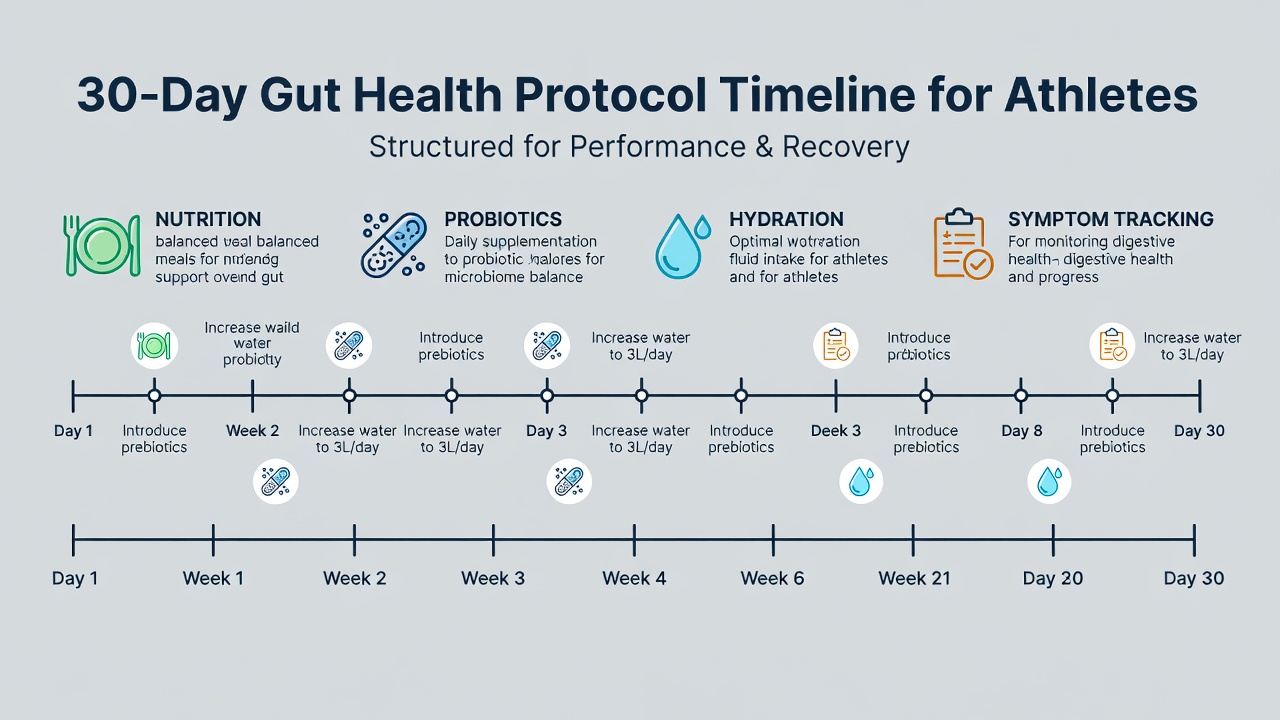
Practical 30-Day Gut Protocol
Implement this progressive plan to build gut resilience systematically:
- Days 1–7: Conduct a baseline audit of current intake and symptoms. Add one serving of fermented food daily while maintaining normal training volume. Record sleep quality, energy ratings, and any GI events in a dedicated journal or app.
- Days 8–14: Expand plant diversity toward 30 unique types weekly. Introduce a multi-strain probiotic and assess tolerance during easy runs. Begin experimenting with prebiotic fibers in small amounts post-workout.
- Days 15–21: Test race-specific nutrition using gut-friendly options on a long training effort. Track hydration alongside fiber intake, noting how fluid balance influences microbial fermentation.
- Days 22–30: Refine the protocol based on logged data, simulate full race-day fueling, and prepare a tapering nutrition strategy that preserves microbiome stability heading into key events.
Supplement tracking with objective measures such as resting heart rate variability and perceived exertion scores. Re-evaluate every 30 days and adjust fiber or probiotic doses according to performance feedback rather than rigid rules.
Additional Lifestyle Factors
Sleep duration and stress management directly influence microbial composition. Aim for seven to nine hours of consistent sleep nightly, as circadian disruption reduces beneficial species. Incorporate daily stress-reduction practices such as 10-minute breathing exercises or light mobility work to lower cortisol-driven shifts in gut permeability. Proper hydration with electrolyte balance further supports mucosal health during long training sessions in heat.
Common Mistakes to Avoid
Avoid abrupt increases in fiber or new supplements immediately before races. Never test unproven nutrition strategies during taper weeks. Overlooking hydration or relying solely on supplements without dietary variety frequently leads to disappointing results. Gradual implementation paired with consistent logging yields the most reliable improvements.
FAQs
How long until noticeable improvements occur?
Initial GI stability often appears within 14–21 days, while meaningful microbiome shifts and performance gains typically require four to six weeks of consistent adherence.
Should new protocols be tested during race week?
No. Use race week for maintenance only, relying exclusively on previously tolerated foods and supplements.
Is stool testing required?
Comprehensive testing provides additional insights but is unnecessary for most athletes; detailed symptom and performance tracking delivers sufficient guidance for initial optimization.
Conclusion
Gut microbiome optimization represents a high-impact, science-supported lever for ultra runners seeking reduced distress and enhanced endurance. Through deliberate nutrition choices, strategic supplementation, and structured tracking, athletes can build lasting resilience. Begin the outlined 30-day protocol during your next training cycle to unlock measurable gains in comfort and performance over long distances.


No comments yet. Be the first!