 The Runner Story
Introduction: From 50K to 100 Miles in One Year
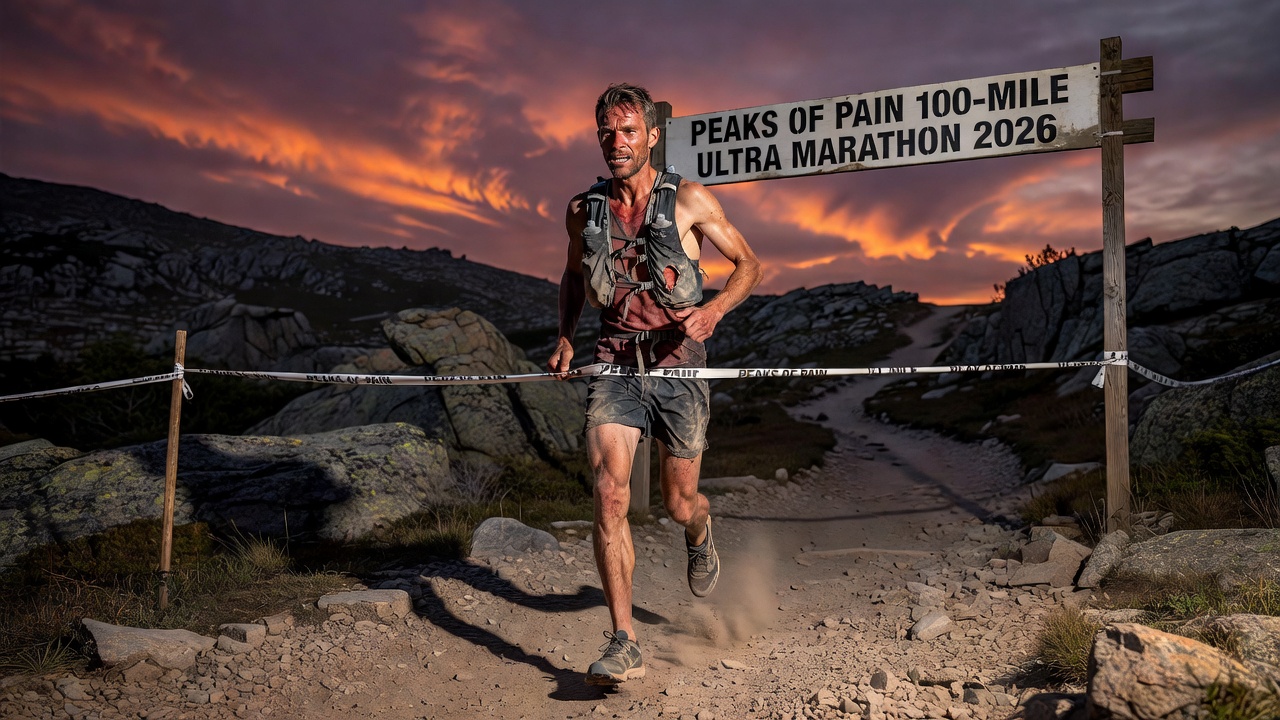
In 2026, endurance running saw a surge in athletes pushing personal limits, yet detailed case studies remain rare. This article examines Alex Rivera, a 38-year-old recreational runner based in Colorado, who progressed from his debut 50K finish in February 2026 to completing a 100-mile mountain ultra in December. Starting with a modest aerobic base, Alex followed a meticulously periodized plan that emphasized gradual mileage increases, targeted simulations, and proactive recovery. The journey yielded a 12 percent rise in estimated VO2 max, a full year without injury, and valuable lessons on sustainable ultra training. Throughout the year, Alex maintained detailed logs using a combination of GPS watches, spreadsheets, and subjective journals to track every variable from pace to sleep quality.
The goal was not simply to finish but to do so while preserving long-term health and enjoyment. This case study breaks down the key phases, specific training examples, nutrition experiments, and mental tools that made the transformation possible. Readers will find practical templates they can adapt, regardless of their current mileage.
Background on the Runner and Starting Point
Alex had completed several marathons and one 50K prior to 2026 but had never ventured beyond 50 kilometers. At the start of the year, his weekly mileage hovered around 35 miles, with a recent half-marathon time of 1:48. Medical clearance confirmed good cardiovascular health, and a baseline field test estimated VO2 max at 48 ml/kg/min. Work as a software engineer allowed flexible scheduling, yet family commitments required careful time management. The decision to target a 100-mile race came after reading community forums and consulting a coach certified by the Road Runners Club of America.
Periodized Weekly Mileage Builds Across Four Phases
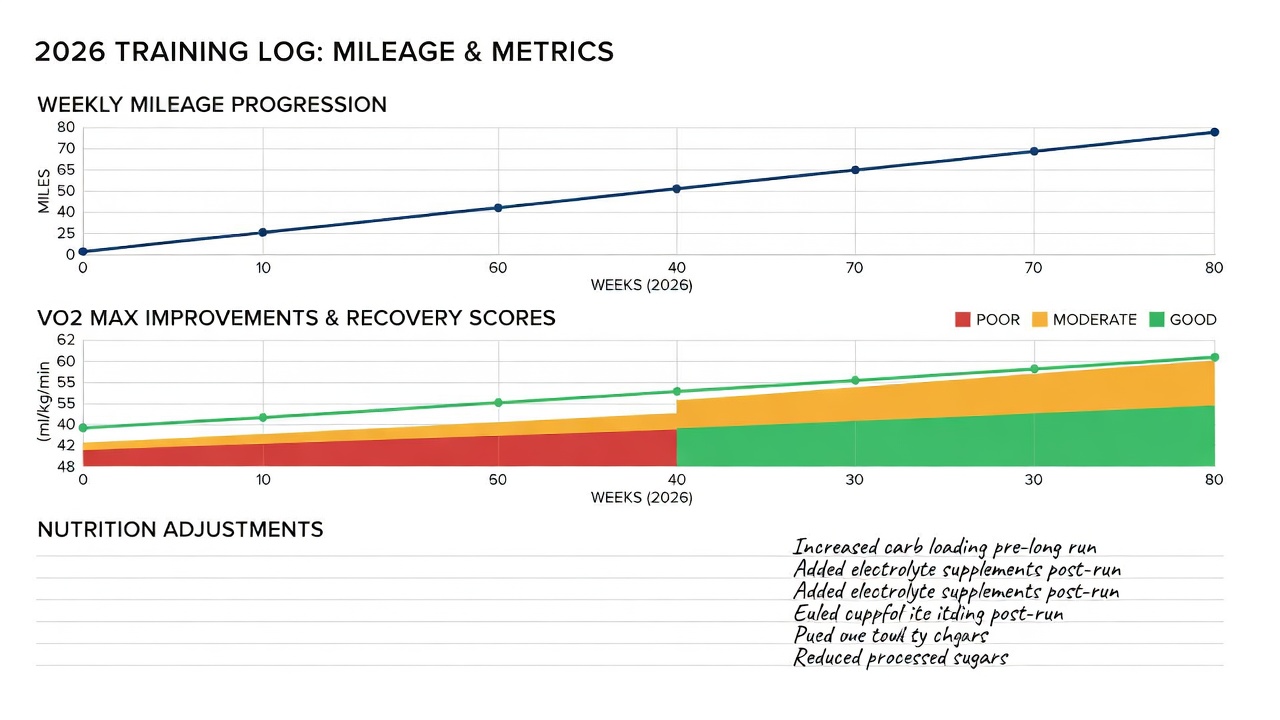
Training divided into four macrocycles, each lasting roughly three months. Volume increased by no more than 15 percent every third week, always followed by a recovery week at 60 percent of peak volume. The base-building phase from January through March focused exclusively on easy running below 70 percent of maximum heart rate. Weekly mileage climbed from 35 to 50 miles, with one long run reaching 18 miles on trails. Strength sessions twice weekly emphasized single-leg squats and core stability to prepare joints for later volume.
April through June introduced hill repeats and tempo runs. Long runs extended to four hours, incorporating 1,500 feet of elevation gain. A sample 52-mile week in May included: Monday 8 easy miles, Tuesday 10 miles with six 400-meter strides, Wednesday 12-mile trail run, Thursday rest or yoga, Friday 6-mile recovery, Saturday 14-mile long run, and Sunday 2-mile shakeout. By June, Alex reached consistent 60-mile weeks.
The specificity phase from July through September featured back-to-back long runs and two full race simulations. One 50-mile training effort on a course with similar terrain to the target 100-miler tested pacing and gear. Peak weeks hit 75 miles, including a 30-mile day followed by a 20-mile day. The final taper phase reduced volume by 30 percent every two weeks while maintaining intensity through short strides.
Race-Specific Simulations and Terrain Practice
Every four to six weeks, Alex scheduled simulations that replicated night running, aid-station transitions, and emotional lows. These sessions included mandatory gear checks and forced calorie intake every 45 minutes. Terrain practice involved repeated loops on local 5,000-foot mountains to mimic the 12,000 feet of gain expected on race day. Pacing strategy evolved from even splits to a conservative 20-minute-per-mile average on climbs, allowing faster descent sections.
Nutrition Timing Adjustments During Long Efforts
Early in the year, Alex relied on energy gels every 45 minutes, leading to stomach discomfort after four hours. By May, experimentation shifted to a mixed approach: solid foods such as rice cakes and boiled potatoes every 60 to 75 minutes, paired with 20 ounces of electrolyte drink hourly. A typical 14-hour training day featured 2,800 calories from 60 percent carbohydrates, 25 percent fat, and 15 percent protein. Real-food intake reduced nausea and sustained energy through the final 30 miles of simulations. Hydration was logged meticulously, with adjustments for heat and humidity based on sweat-rate testing conducted in June.
Recovery Tracking Methods and Data Monitoring
Recovery relied on multiple data streams. A wrist-based wearable provided nightly sleep scores and resting heart rate trends. Any resting heart rate elevation above five beats per minute triggered an automatic easy day. Weekly wellness surveys rated muscle soreness, motivation, and stress on a 1-to-10 scale. When combined scores dropped below 70 percent, Alex substituted planned workouts with 30 minutes of walking or foam rolling. Strength and mobility work occurred three times weekly, focusing on hips, ankles, and thoracic spine to counteract desk-job posture.
Mental Check-Ins That Prevented Burnout
Every Sunday evening, Alex completed a structured reflection: rating overall motivation, listing three training wins, and identifying one area for adjustment. This 10-minute ritual caught early signs of staleness, such as declining enjoyment of easy runs. When motivation dipped below six, Alex inserted a spontaneous rest day or scheduled a social group run. Visualization of the finish line and breaking the 100 miles into 10-mile segments helped during the darkest race moments.
Injury Prevention and Strength Integration
Zero injuries across 365 days resulted from consistent strength programming and load management. Key exercises included single-leg Romanian deadlifts, lateral band walks, and calf raises performed three times weekly. Any niggle lasting more than two days prompted immediate reduction in mileage by 20 percent and extra mobility focus. Alex also incorporated quarterly gait analysis at a local running store to fine-tune shoe rotation between maximal-cushion and firmer trail models.
Measurable Outcomes and Performance Gains
By December, field tests showed VO2 max at 54 ml/kg/min. The 100-mile finish time of 23 hours and 47 minutes placed Alex in the top half of finishers. Average weekly mileage for the year reached 52 miles, with peak training load correlating directly to improved economy on steep grades. Sleep consistency improved from 6.8 to 7.9 hours nightly, supporting the injury-free streak.
Actionable Takeaways for Other Runners
- Cap weekly increases at 10-15 percent and always schedule recovery weeks.
- Test race nutrition on long runs at least once per month, tracking both calories and GI response.
- Conduct weekly mental check-ins using a simple 1-10 motivation scale.
- Integrate strength training three times weekly focused on single-leg stability.
- Monitor resting heart rate and sleep scores to catch overreaching early.
Conclusion
Alex Rivera’s 2026 progression demonstrates that a structured, data-informed approach can safely bridge the gap from 50K to 100 miles within a single year. The combination of periodized mileage, targeted simulations, evolving nutrition, and consistent recovery protocols produced both performance gains and sustainable habits. Runners at any level can extract principles from this case study and scale them to their own goals.
FAQ: Adapting These Strategies
How should beginners modify the plan?
Beginners should start with smaller volume jumps of 5 percent and extend the base phase to six months. Focus first on consistent easy running before adding intensity or simulations.
What if work or family limits training time?
Consolidate long runs on weekends and use midweek sessions for quality. Prioritize sleep and nutrition recovery to maximize limited hours on feet.
Is medical screening necessary before attempting 100 miles?
Yes. Consult a physician familiar with endurance sports, especially if any cardiovascular risk factors exist. Regular check-ups throughout the year are recommended.
How important is strength training for ultra success?
Extremely important. Three weekly sessions targeting hips, core, and lower legs dramatically reduce injury risk and improve climbing efficiency on technical terrain.
For additional evidence-based guidance on endurance training and injury prevention, consult resources from Runners World, Mayo Clinic, and CDC Physical Activity.


No comments yet. Be the first!