 The Runner Story

Understanding Injury Risks in Ultra Running
Ultra running places unique demands on the body, combining prolonged endurance with variable terrain that increases vulnerability to overuse injuries. Intermediate runners often face stress fractures in the tibia or metatarsals and tendon problems such as Achilles tendinopathy or patellar tendonitis. These issues arise from repetitive impact, inadequate recovery, and sudden spikes in training volume. The sport requires covering distances exceeding 50 kilometers, often on trails with steep ascents and descents that stress connective tissues far beyond road running. Without targeted prevention, many athletes experience setbacks that derail race preparations and long-term progress.
Building sustainable progress requires shifting focus from simply logging miles to proactive strategies that protect tissues while enhancing performance. This guide details evidence-based approaches tailored for ultra-distance athletes, drawing on principles of gradual adaptation and holistic recovery. According to guidelines from the CDC, consistent physical activity monitoring helps reduce injury rates across endurance sports.
Common Injuries Specific to Ultra Demands
Stress fractures develop when bone remodeling cannot keep pace with repetitive loading, often in the lower legs or feet during back-to-back long efforts. Runners may notice localized pain that intensifies with continued activity and eases only with complete rest. Tendon issues stem from eccentric loading on downhill sections and insufficient rest between high-mileage weeks. Achilles tendinopathy frequently appears after races with significant elevation changes, while iliotibial band friction can limit stride efficiency on technical trails. Real-world cases show that ignoring early discomfort leads to six-to-twelve-week recovery periods. Intermediate athletes training for 100-kilometer events report higher incidences when weekly volume jumps exceed safe thresholds without supporting strength work.
Load Monitoring Techniques
Effective load monitoring starts with tracking acute-to-chronic workload ratios. Aim to keep weekly training increases under 10 percent to allow tissue adaptation. Use tools like GPS watches to log distance, elevation gain, and perceived exertion. Incorporate regular check-ins with simple tests such as single-leg hop counts or soreness scales rated from one to ten. Advanced runners add heart rate variability tracking to detect overreaching before symptoms appear. For example, ultra runner Sarah K., preparing for a 100-mile race, reduced her injury rate by 40 percent after implementing a color-coded training log that flagged red weeks exceeding safe load thresholds. She cross-referenced data with monthly check-ups at a sports clinic, adjusting long runs when elevation metrics spiked unexpectedly.
Mobility Drills for Ultra Runners
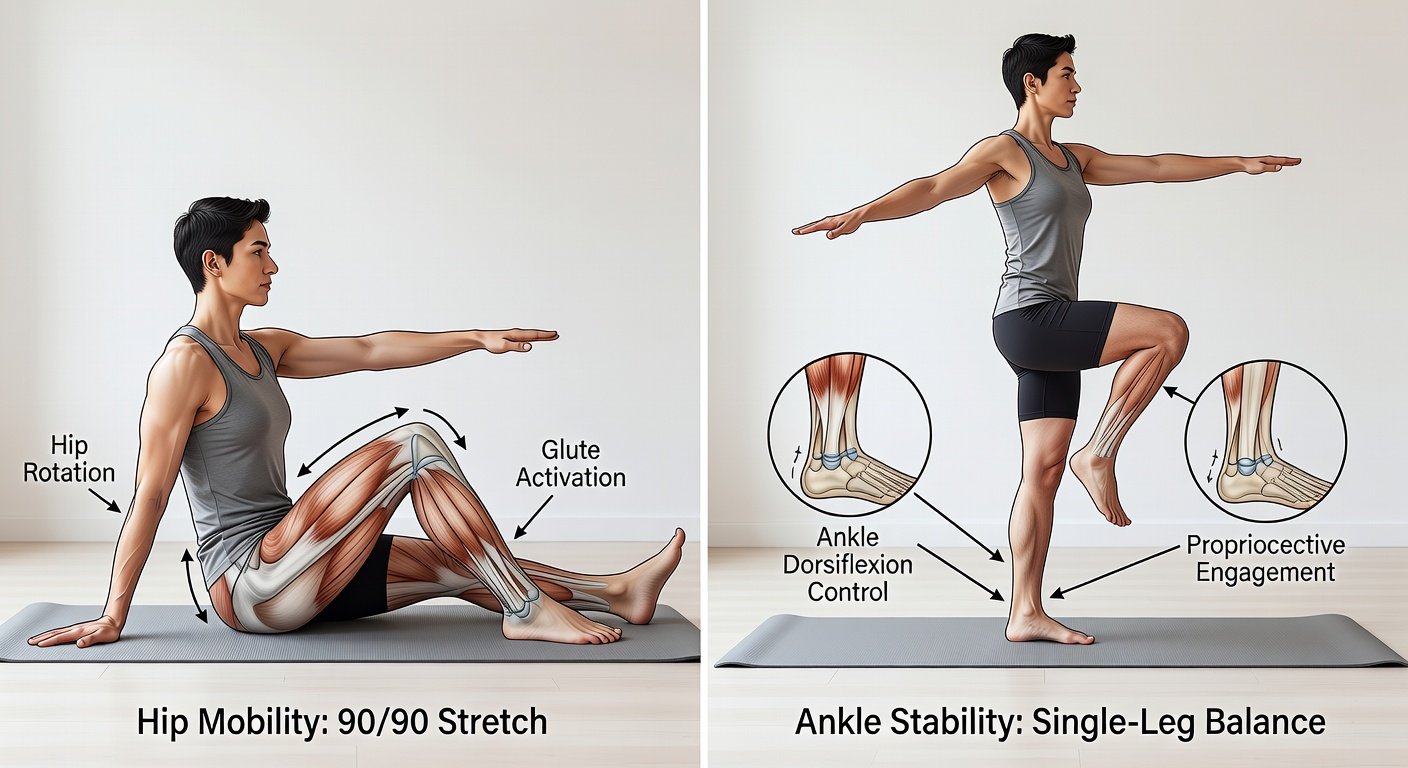
Daily mobility work targets hips, ankles, and thoracic spine to maintain efficient stride mechanics on uneven surfaces. Include these drills in a 15-minute routine performed after every run or as a standalone session on rest days. The world's greatest stretch improves hip flexor length and thoracic rotation with eight controlled reps per side. Ankle circles and calf stretches enhance dorsiflexion range, critical for downhill braking, performed for ten repetitions in each direction. Glute bridges with marching build single-leg stability through three sets of twelve. Foam rolling the IT band and plantar fascia for two minutes per area releases tension that accumulates from rocky trails. These drills should feel challenging yet pain-free; stop immediately if sharp discomfort arises.
Integrating Strength Training
Strength sessions twice weekly complement mobility work by building resilience in muscles and tendons. Focus on compound movements such as single-leg deadlifts, step-ups with knee drive, and lateral lunges to mimic trail demands. Begin with bodyweight versions for two sets of eight to ten reps, progressing to light dumbbells as form solidifies. Include core exercises like bird dogs and dead bugs to stabilize the pelvis during long efforts. Athletes who added dedicated strength blocks noticed fewer tendon flare-ups during peak weeks, as stronger glutes and calves absorbed impact more effectively.
Sleep Optimization Strategies
Quality sleep drives tissue repair and hormone regulation critical for endurance athletes. Target 7.5 to 9 hours nightly, maintaining consistent bedtimes even on training days. Create a wind-down protocol including dim lights 60 minutes before bed, avoiding screens, and a cool bedroom environment around 65 degrees Fahrenheit. Some runners track sleep with wearable devices to identify patterns correlating with higher injury risk. Runners who improved sleep consistency reported fewer tendon issues during peak training blocks, as growth hormone release during deep sleep accelerates recovery from micro-damage in bones and connective tissue.
Nutrition and Recovery Nutrition
Supporting tissue health extends beyond training into daily nutrition. Prioritize protein intake of 1.6 to 2.2 grams per kilogram of body weight distributed across meals to aid muscle and tendon repair. Include anti-inflammatory foods such as fatty fish, berries, and leafy greens. Post-run refueling within 30 minutes with carbohydrates and protein replenishes glycogen stores and kickstarts recovery. Hydration remains essential; aim for urine that is pale yellow throughout the day. Many ultra runners schedule weekly meal planning sessions to ensure consistent nutrient density, preventing deficiencies that weaken bones over time.
Building a Weekly Prevention Routine
Integrate prevention into every training week with this sample schedule for an intermediate athlete averaging 60 to 80 kilometers:
- Monday: Active recovery with 20 minutes of mobility drills and light yoga flow
- Tuesday: Strength session focusing on posterior chain and core, followed by easy strides
- Wednesday: Easy run plus load review using training software
- Thursday: Hill strides and ankle stability work on a soft surface
- Friday: Rest or gentle walk with sleep audit and meal prep
- Saturday: Long run with terrain-specific drills and immediate cool-down mobility
- Sunday: Full rest day including reflection on soreness levels and plan adjustments
Repeat this structure while adjusting volume based on monitoring data and life stress. Documenting each element creates accountability and reveals patterns over months of training.
Proactive vs Reactive Approaches Compared
Proactive runners schedule regular mobility, monitor loads weekly, and prioritize sleep, resulting in fewer missed training days and steadier fitness gains. They treat prevention as a non-negotiable part of the program, often incorporating professional assessments every quarter. Reactive athletes wait for pain to appear before seeking treatment, often facing longer recovery periods and race DNS outcomes. The proactive path reduces overall time lost and supports consistent ultra-distance performance, while reactive care frequently involves costly interventions and lost fitness. Transitioning to proactive habits yields compounding benefits across multiple race seasons.
FAQ: Early Warning Signs
What does the start of a stress fracture feel like? A dull ache that worsens with activity and lingers after rest, typically localized to one spot on the bone. Seek imaging if pain persists beyond three rest days.
How can I tell tendonitis from normal soreness? Tendon pain is sharp during specific movements like downhill running and improves with warm-up, unlike general muscle fatigue that dissipates quickly. Swelling or morning stiffness signals need for reduced load.
When should I reduce mileage? If soreness ratings exceed six out of ten for two consecutive days or sleep quality drops noticeably, scale back immediately and consult a coach or physical therapist.
Are there gender-specific considerations? Female runners should monitor bone density factors such as menstrual cycle regularity, as disruptions increase stress fracture risk according to resources from the National Institutes of Health.
Conclusion
Consistent application of load monitoring, mobility drills, strength integration, sleep strategies, and nutrition allows intermediate ultra runners to train sustainably. By adopting proactive habits and recognizing warning signs early, athletes build resilience that carries through race day and beyond. Start implementing one new element this week, track results for four weeks, and refine the routine for measurable long-term progress in endurance training.


No comments yet. Be the first!