 The Runner Story

Introduction to Ultra Running Gear Essentials
Ultra running demands equipment that supports endurance over extreme distances and varied terrain. In 2026, selecting the right gear directly impacts performance, comfort, and injury prevention during long training efforts and races. This guide examines must-have items such as cushioned trail shoes, lightweight hydration packs, moisture-wicking clothing, and reliable navigation devices. Runners will find comparisons, real-world examples, and a clear decision framework based on race distance and conditions. Whether preparing for a 50-kilometer event or a 100-mile journey through mountainous trails, the proper kit reduces fatigue and allows focus on the mental and physical challenges ahead. Many ultra runners report that small improvements in gear selection lead to better finishes and fewer dropouts due to discomfort or equipment failure.
Selecting Trail Shoes with Optimal Cushioning and Grip
Trail shoes form the foundation of any ultra runner's kit. Look for models offering substantial cushioning to absorb repetitive impact on rocky or uneven paths while maintaining aggressive outsoles for traction on mud, roots, and steep inclines. Popular options range from maximalist designs for long efforts to lighter, responsive pairs for faster sections. Consider foot shape, pronation tendencies, and typical terrain when choosing. For example, runners tackling 100-mile events often prefer shoes with rock plates and wider toe boxes to reduce fatigue over 20+ hours on feet. Compare options across brands by examining stack height, drop, and outsole rubber compounds during in-store fittings or trial runs. Real-runner examples include athletes who switched to shoes with enhanced forefoot cushioning after experiencing metatarsal pain on previous ultras, resulting in smoother late-race performance. Practical testing involves trying shoes on varied surfaces during training runs. Replace them every 400-500 miles to preserve support. Seasonal adjustments include switching to waterproof versions in wet climates or those with enhanced breathability for summer heat. Avoid overly rigid soles that limit natural foot movement on technical descents.
Key Features to Compare Across Price Points
When evaluating shoes, assess durability of the upper material, breathability ratings, and weight per shoe. Heavier shoes may offer more protection but can slow pace over long distances. Test for hot spots by wearing new pairs on progressively longer runs before committing to race day use.
Lightweight Hydration Systems for Sustained Efforts
Proper hydration prevents dehydration and maintains energy levels during ultras exceeding marathon distance. Soft flasks, bladder vests, and handheld bottles provide options tailored to personal preference and race rules. Vest systems distribute weight evenly across the back, freeing hands for technical sections. Choose models with easy-access pockets for gels and electrolytes. Many experienced ultra runners combine a 1.5-liter bladder with two 500ml flasks for flexibility on remote courses. Maintenance includes regular cleaning to avoid mold, and seasonal checks ensure insulation works in cold weather. 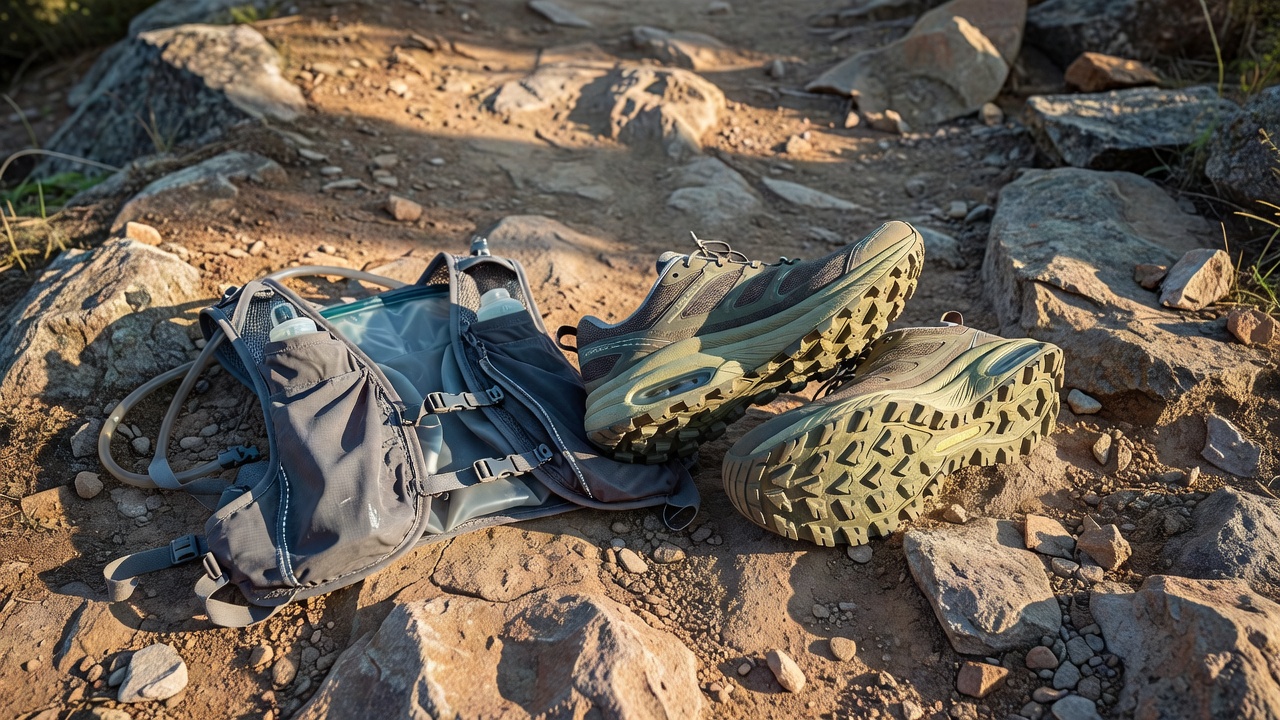
Examples from the trail include runners who customized their vests with additional elastic cords for quick access to snacks during night sections. Consider capacity needs based on aid station intervals, typically planning for at least 500ml per hour of effort in moderate conditions. Practice drinking while moving to minimize time lost at stops.
Moisture-Wicking Apparel for All Conditions
Layering with technical fabrics keeps skin dry and regulates temperature across changing weather. Base layers wick sweat, mid-layers add insulation, and outer shells protect against wind or rain. Avoid cotton entirely as it retains moisture and increases chafing risk. Look for flatlock seams and strategic ventilation panels.
- Choose merino wool blends for odor resistance on multi-day events.
- Include compression socks or sleeves to support circulation during long descents.
- Pack lightweight rain jackets that compress into small stuff sacks.
- Select shorts with built-in liners and multiple pockets for carrying small essentials without extra bags.
- Opt for long-sleeve options with thumbholes to protect hands from sun and wind exposure.
Chafing prevention starts with proper fit testing. Apply anti-chafe products at friction points like inner thighs and underarms before every long effort. Real examples show that switching to seamless underwear reduced blister formation in sensitive areas during humid races.
Portable Navigation Tools for Remote Routes
GPS watches, mapping apps, and dedicated devices ensure safe navigation on unmarked trails. Key features include long battery life, offline map support, and turn-by-turn guidance. Pair devices with paper backups for redundancy in areas without signal. Real-runner examples show how watches with topographic mapping helped complete remote ultras without getting lost. Update firmware regularly and test in training to master interfaces before race day. Consider solar charging options for multi-day events where battery conservation becomes critical.
Step-by-Step Decision Process
- Assess your primary race distance and typical terrain to determine baseline needs for cushioning and capacity.
- Prioritize cushioning and grip needs based on foot strike patterns observed during training analysis.
- Evaluate hydration capacity against expected aid station spacing and personal sweat rate from previous efforts.
- Test apparel layers during progressively longer runs to identify any rubbing or overheating issues early.
- Select navigation tools matching your comfort with technology and practice route plotting on sample courses.
- Review overall pack weight and refine by removing non-essential items while ensuring safety margins remain intact.
Maintenance Routines and Seasonal Adjustments
Regular care extends gear lifespan. Clean shoes after muddy runs, dry them naturally, and rotate pairs. Wash apparel in cold water with technical detergent. Adjust for seasons by adding gaiters in snowy conditions or lighter fabrics in heat. These steps maximize comfort and reduce mid-race issues. Create a post-run checklist that includes inspecting seams, checking bladder seals, and calibrating watch sensors for accuracy on future outings.
Common Pitfalls to Avoid
Chafing often arises from poor seam placement or inadequate lubrication. Apply anti-chafe balm proactively and test new clothing on long training days. Weight management requires balancing necessary items against pack bulk; practice with full loads to refine setups. Overlooking foot care leads to blisters, so prioritize socks and shoe fit from the start. Another frequent mistake involves neglecting to break in new navigation devices, leading to confusion during low-visibility sections. Runners who simulate race conditions in training avoid these issues more effectively.
FAQs on Budget Alternatives and 2026 Upgrades
Budget-conscious runners can find capable entry-level shoes and vests that perform well without premium pricing. For 2026 events, consider incremental upgrades like improved battery tech in watches or more durable fabrics in apparel. Always verify compatibility with specific race requirements. What are good starter options for first-time ultra runners? Entry-level trail shoes with moderate cushioning paired with a simple hydration belt often suffice. How do I decide between a vest and handheld bottles? Factor in hand comfort during technical terrain and the need for quick refills. Are there specific upgrades recommended for night running? Reflective elements and reliable headlamp integration become essential for safety.
Links to authoritative resources include guidance from Runner's World on trail shoe selection and Outside Online for endurance training strategies. Additional practical advice appears on iRunFar covering ultra-specific gear testing.
Conclusion
Equipping properly for ultra running endurance in 2026 involves thoughtful selection across shoes, hydration, apparel, and navigation. Following the outlined processes, maintenance tips, and pitfall avoidance strategies prepares runners for successful long efforts. Experiment during training to personalize choices and achieve peak performance on race day.


No comments yet. Be the first!