 The Runner Story

Introduction: Why Running Motivation Myths Hold Beginners Back
Starting a running journey is exciting, but common misconceptions about motivation often cause new runners to quit within weeks. These myths create unrealistic expectations, leading to frustration and dropout. In this guide, we tackle five key myths with evidence-based corrections, real-world examples, and step-by-step alternatives to build lasting habits. Whether you're lacing up for the first time or restarting after a break, understanding these truths can transform your approach in 2026.
Research from health authorities emphasizes gradual activity increases for sustainability. According to the CDC, consistent moderate exercise yields better long-term results than intense bursts. Many beginners search for running motivation tips but encounter generic advice that ignores psychological barriers and physical realities. This article provides clarity by addressing the root causes of these myths and offering beginner running tips that promote consistency over intensity. We'll explore how these misconceptions affect daily life, share multiple real-world scenarios, and deliver concrete plans you can implement immediately.
Myth 1: You Must Run Every Single Day to See Progress
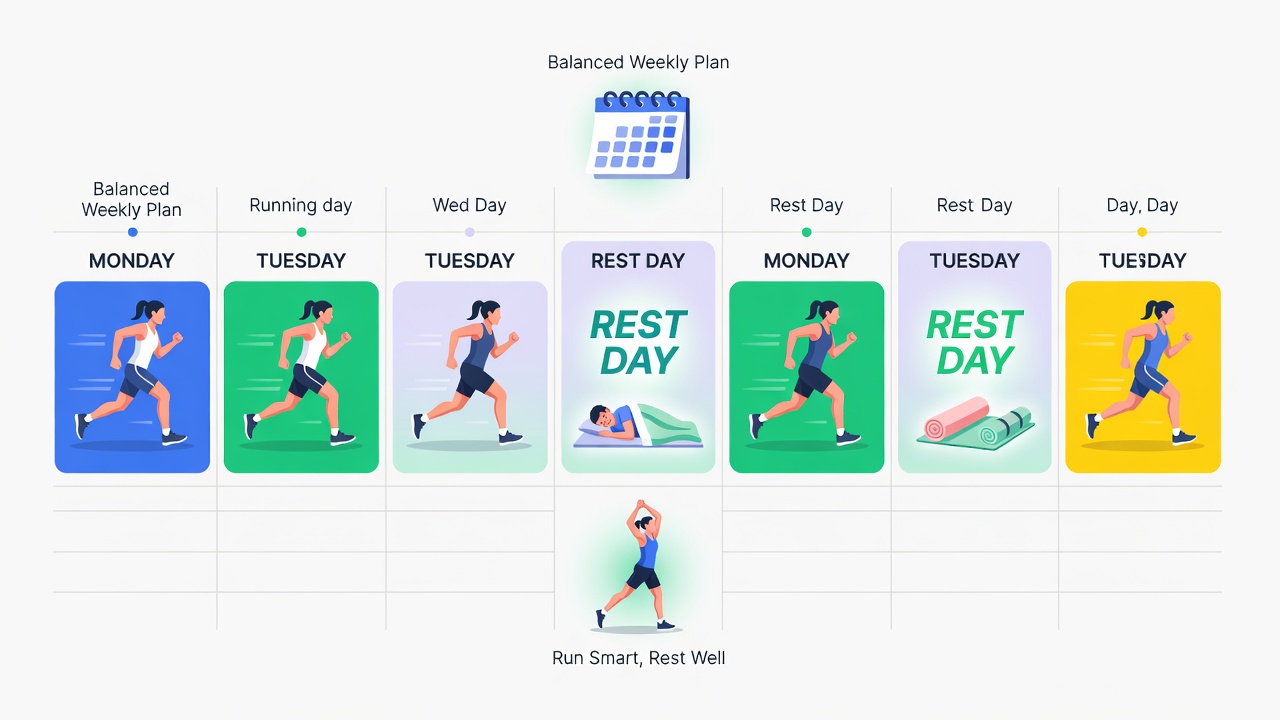
Many beginners believe daily runs are essential for momentum. This leads to overtraining, injury, and burnout. In reality, rest days are crucial for recovery and muscle repair, allowing the body to adapt and grow stronger. The myth often stems from social media portrayals of elite athletes who train frequently, but those individuals have years of base building and professional support that beginners lack.
Real-world example: Sarah, a 35-year-old office worker, started running daily and developed shin splints after two weeks, forcing her to stop entirely. She learned that three to four runs weekly with rest built her base safely. Another runner, James, a father of two, attempted seven-day streaks and experienced chronic fatigue that affected his work performance. After switching to a structured plan with rest, he completed his first 5K without injury.
Step-by-Step Alternative
- Schedule 3 runs per week initially, focusing on 20-30 minute sessions.
- Alternate with walking or cross-training like cycling on off days.
- Track how your body feels rather than forcing miles, noting energy levels in a journal.
- Gradually add a fourth day after 4-6 weeks if energy allows, always prioritizing sleep and nutrition.
- Monitor for warning signs such as persistent soreness or mood changes that signal the need for more recovery.
Following this approach helps prevent the common dropout that occurs when beginners push too hard without listening to their bodies.
Myth 2: Results Happen Overnight or Within a Week
The promise of instant fitness transformations fuels this myth. New runners expect visible changes or speed gains immediately, leading to disappointment when progress feels slow. Physiological adaptations like improved cardiovascular efficiency and muscle endurance take consistent effort over months, not days.
Real-world example: Mark expected to run a 5K in under 30 minutes after seven days. When that didn't happen, he quit. After restarting with patience, he achieved his goal in three months by focusing on consistency over speed. Similarly, a college student named Priya abandoned her routine after two weeks of no weight loss, only to return later and discover that mental benefits like reduced stress appeared much sooner than physical ones.
Build habits through small wins. Link to authoritative guidance at Mayo Clinic for physical activity benefits that unfold gradually.
Step-by-Step Alternative
- Set process goals like completing three runs weekly instead of outcome goals such as specific times or distances.
- Celebrate non-scale victories such as better sleep, improved mood, or easier breathing during runs.
- Use a simple journal to note weekly improvements in distance or ease, reviewing entries monthly.
- Reassess every four weeks to adjust expectations realistically and celebrate incremental gains.
Myth 3: You Need to Feel Motivated Every Time You Run
Motivation is often portrayed as a constant feeling. Beginners wait for inspiration that rarely arrives, skipping runs on low-energy days. The truth is that discipline and habit formation matter more than fleeting motivation, especially when life stressors interfere.
Real-world example: Lisa skipped runs whenever she didn't "feel like it," derailing her routine after the first month. She switched to scheduling runs like appointments and completed 80% of them regardless of mood. A similar case involved David, who used accountability partners after repeated motivation lapses, resulting in steady progress over six months.
Step-by-Step Alternative
- Create a fixed weekly schedule and treat it as non-negotiable, blocking time in your calendar.
- Use the 10-minute rule: commit to starting, then decide to continue once underway.
- Pair runs with enjoyable elements like podcasts or scenic routes to make sessions more appealing.
- Build accountability through a friend or running group for external support on tough days.
- Reflect weekly on how showing up builds long-term confidence even without initial excitement.
Myth 4: Faster or Longer Runs Equal Better Motivation
Chasing speed or distance from day one leads to frustration. Beginners push too hard, associating running with discomfort rather than enjoyment. Sustainable progress comes from starting slow and building volume gradually to avoid injury and maintain interest.
Real-world example: Tom aimed for longer runs weekly and injured his knee within a month. Slowing down and focusing on time on feet helped him enjoy the process and improve endurance naturally. Another beginner, Anna, tracked only pace and felt defeated until she shifted to time-based goals and rediscovered the joy of movement.
Step-by-Step Alternative
- Start with run/walk intervals using a 1:2 ratio to build comfort without overload.
- Prioritize effort level over pace—aim for conversational pace where you can speak in full sentences.
- Increase duration by 10% weekly at most to allow safe adaptation.
- Incorporate strength exercises twice weekly for injury prevention and overall resilience.
Myth 5: You Need Special Gear or Apps to Stay Motivated
Marketing pushes expensive shoes, watches, or apps as motivation essentials. This creates barriers for beginners who delay starting until they have the "right" setup. Simple consistency with basic tools often outperforms gadget-heavy approaches.
Real-world example: Emma bought a premium watch but rarely used it, feeling overwhelmed by data. She succeeded by running in comfortable sneakers she already owned and using a free notebook for tracking. Likewise, a group of new runners in a community program thrived using only paper logs and peer encouragement instead of digital apps.
Step-by-Step Alternative
- Begin with basic supportive shoes and weather-appropriate clothes suited to your environment.
- Use free resources like body cues for pacing instead of relying on technology.
- Add one tool later if it genuinely enhances enjoyment after establishing the habit.
- Focus on the run itself rather than metrics initially to foster intrinsic motivation.
Creating Your Sustainable Running Routine
Beyond debunking myths, integrate these elements into a full plan. Start with a four-week beginner schedule that includes rest and variety. Combine running with strength work, mobility exercises, and nutrition focus. Track adherence rather than perfection to maintain momentum through 2026.
Frequently Asked Questions
How long does it take to build a running habit?
Most beginners see consistency after 4-8 weeks of scheduled runs. Focus on routine over perfection, allowing flexibility for life events while returning quickly to the plan.
What if I miss a planned run?
Simply resume the next scheduled session without guilt. One missed run does not erase progress and can even prevent overtraining if used as recovery.
Can I run if I'm not athletic?
Yes. Running is accessible at any fitness level when started gradually with walk breaks and proper progression to match your current abilities.
How do I stay motivated during bad weather?
Prepare indoor alternatives or adjust expectations, focusing on the mental win of showing up in any condition rather than distance covered.
Actionable Takeaways for 2026
Apply these corrections immediately: plan three weekly runs, embrace rest days fully, set process goals instead of outcome targets, schedule regardless of daily motivation, and start with minimal equipment. Review your progress monthly and adjust as needed. Consistency beats intensity every time, leading to lasting enjoyment and health benefits. Begin today with one small scheduled run to experience the difference.


No comments yet. Be the first!