 The Runner Story
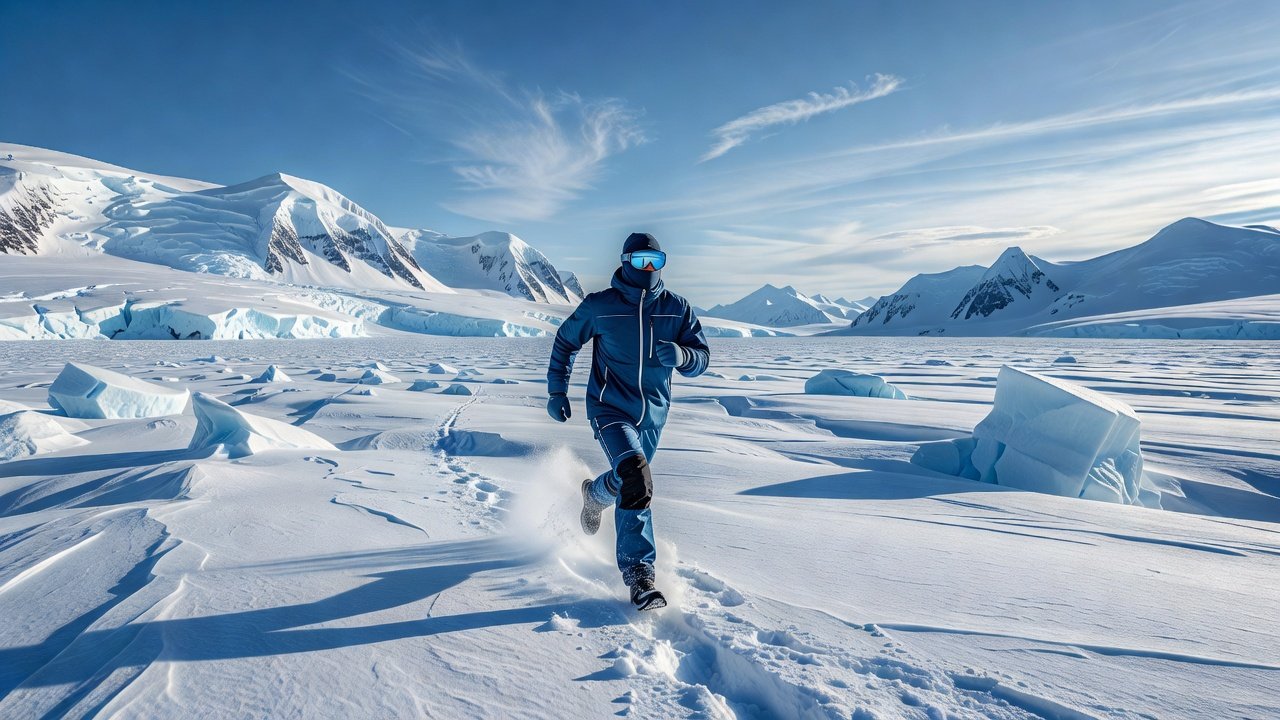
Arriving in the Frozen South: The Start of My 2026 Antarctic Ice Marathon Journey
Stepping off the plane onto the ice runway at Union Glacier felt like entering another world. The 2026 Antarctic Ice Marathon was my first foray into true polar running, and nothing in my previous marathon experiences prepared me for the isolation and intensity ahead. The wind howled at 30 miles per hour, and the thermometer read -20°F as of late September conditions. This case study recap shares how I trained, what gear saved me, the mile-by-mile battles, and the personal growth that came from pushing limits in one of Earth’s harshest environments. Runners searching for unique race recaps often overlook how polar events demand complete adaptation beyond typical road or trail marathons.
Specialized Cold-Weather Training: Building Resilience Before the Ice
Standard marathon training falls short for polar conditions because it rarely accounts for constant wind resistance, uneven surfaces, and the metabolic demands of staying warm. I began six months out with progressive cold exposure runs in my home state’s winter, starting at 20°F and dropping sessions to simulate -20°F wind chill using fans and ice baths between intervals. Long runs incorporated weighted sled pulls to mimic the resistance of deep snow, often covering 18 to 22 miles while dragging 20 pounds. I also focused on core and stabilizer work three times weekly to maintain form on uneven ice, including single-leg squats and balance board drills. Comparing this to flat marathons, the energy cost here was roughly double due to surface instability—think Boston Marathon hills but constant and invisible. Examples from my log include a 16-mile session where I alternated 400-meter surges with recovery walks to practice efficient breathing in heavy layers. Resources like the CDC cold weather guidelines helped shape my frostbite prevention protocols, while cross-referencing with WHO extreme temperature health advice reinforced hydration strategies even when thirst signals were muted by cold.
Key Training Milestones
- Month 1-2: Base building with 50-mile weeks on trails, adding cold chamber sessions twice weekly and yoga for joint mobility.
- Month 3-4: Peak mileage at 70 miles, including two 20-milers in sub-zero simulators and night runs to build low-light navigation skills.
- Month 5-6: Taper with emphasis on recovery and mental visualization of whiteouts, reducing volume while maintaining intensity through shorter fast efforts.
These phases prepared both body and mind, revealing weaknesses like calf tightness that I addressed with targeted stretching before they became race-day issues.
Essential Gear for -20°F Conditions
Choosing the right layers was critical because even minor gaps in protection could lead to rapid heat loss. My setup included a base layer of merino wool for moisture wicking, an insulated mid-layer with synthetic fill, and a windproof shell rated for extreme conditions that also allowed breathability during climbs. Footwear featured double-insulated boots with micro-spikes that gripped ice without adding excessive weight. I carried multiple pairs of gloves and balaclavas to swap when moisture built up. 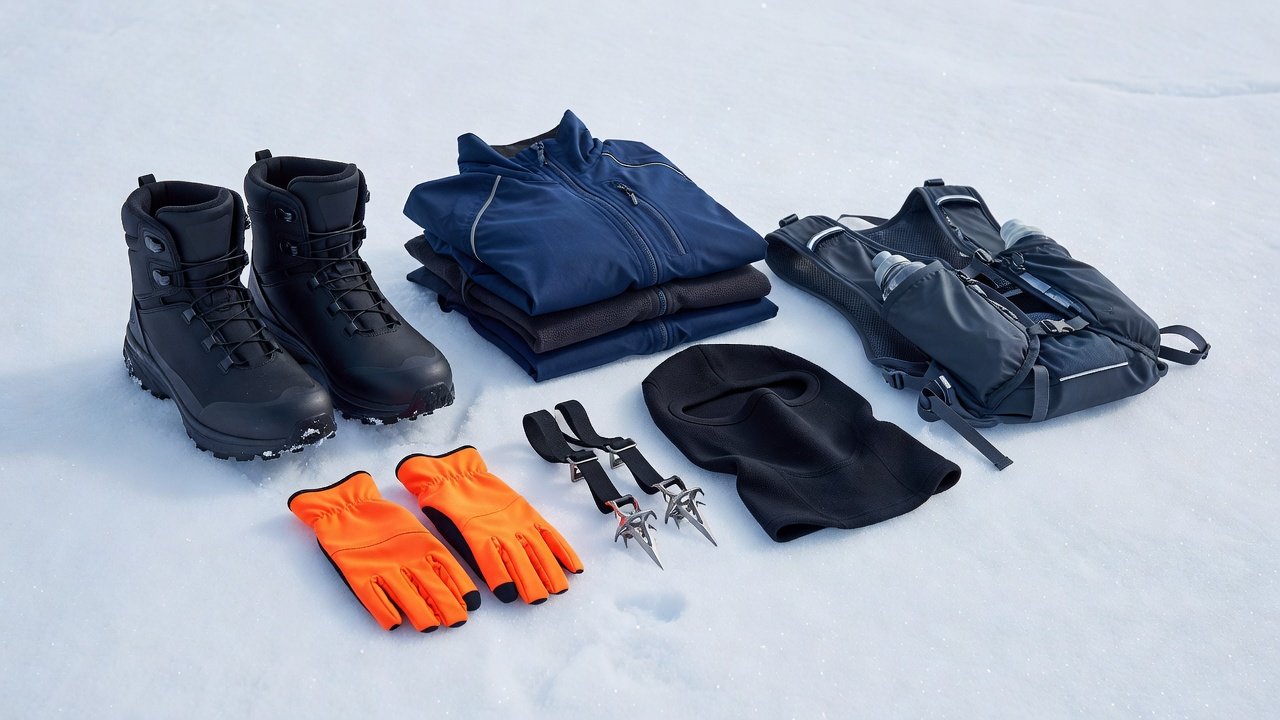
Step-by-Step Packing List
- Clothing: 3 base layers, 2 mid-layers, 1 outer shell, insulated pants, extra neck gaiter for versatility.
- Footwear: Double boots, gaiters to block snow, extra socks, micro-spikes, and toe warmers rated for extended use.
- Accessories: Balaclava, goggles with anti-fog coating, hand/foot warmers, hydration system with insulated tube and bite valve cover.
- Safety: Satellite communicator, emergency bivy sack, high-calorie snacks for 5+ hours, small repair kit for gear failures.
Unlike standard race packs, weight mattered less than redundancy against equipment failure in -20°F isolation. I learned through practice that layering allows adjustments without stopping for long periods, which prevents core temperature drops.
Mile-by-Mile Challenges: Ice, Wind, and Isolation
The course looped 26.2 miles around the glacier with minimal elevation but maximum surface variability. Miles 1-5 felt deceptively manageable until crosswinds knocked me off balance repeatedly, forcing constant core engagement. By mile 10, ice ridges demanded constant micro-adjustments, draining focus and legs faster than any road marathon I had run. Miles 15-20 brought whiteout conditions where visibility dropped to 10 feet—I relied on GPS and mental checkpoints while fighting the urge to slow too much. The final 6 miles tested everything as fatigue met dropping temperatures and accumulating snow on my spikes. Isolation amplified every ache; no crowds, just the sound of my breath and the endless white, making small victories like reaching each aid station feel monumental.
Mental Resilience Techniques That Carried Me Through
Polar running demands more psychological stamina than physical because the environment offers no external motivation. I used a mantra system: “One step, one breath” repeated during wind gusts to anchor attention. Visualization of past training successes helped during the loneliest stretches, imagining crossing the finish line of a familiar local race. Breaking the race into 5-mile segments prevented overwhelm and allowed celebration of incremental progress. Post-race reflection showed this built deeper confidence than any flat marathon ever could, teaching patience and presence under duress.
Nutrition, Hydration, and Recovery Strategies in Extreme Cold
Cold suppresses appetite and thirst, so I pre-planned intake every 30 minutes regardless of desire. High-fat snacks like nut butter packets provided sustained energy without freezing solid, while an insulated bottle delivered warm electrolyte fluid. Post-run recovery involved immediate layering and a hot meal within 30 minutes to restore core temperature. These tactics, tested in training, prevented the bonking common when runners underestimate cold’s metabolic toll.
Comparisons to Flat Marathons and Practical Takeaways
Flat marathons emphasize pacing and crowds; here, survival and adaptability ruled. Energy expenditure spiked 40-60% higher according to my heart rate data. Mistakes to avoid include underestimating wind chill on exposed sections and skipping gear checks. For runners eyeing bucket-list ultras, start with winter trail races before committing to polar events. The biggest lesson: respect the environment above ego and always have contingency plans for sudden weather shifts.
FAQ: Preparing for Polar Races
How cold does it really get?
Expect sustained temperatures around -20°F with wind chill making it feel far worse, often requiring full face coverage.
What training distance is minimum?
Build to at least 50-mile weeks with specific cold exposure and sled work to simulate race demands.
Is medical support available?
Yes, but evacuation can take hours—self-reliance is essential, including carrying emergency communication devices.
How do I handle isolation?
Practice solo long runs in remote areas and develop mental routines like mantras to maintain focus without external stimuli.
Final Takeaways for Your Next Extreme Adventure
The 2026 Antarctic Ice Marathon transformed my view of running from competition to exploration. Extreme cold, isolation, and personal growth intertwined into one unforgettable triumph. If you’re seeking races beyond standard marathons, prepare thoroughly, respect the ice, and embrace the journey. The next polar challenge awaits those willing to train for the unknown.

No comments yet. Be the first!