 The Runner Story

Conquering the Steepest Challenge: My 2026 Mount Marathon Journey
Standing at the base of Mount Marathon in Seward, Alaska, on race morning in 2026, the 3.1-mile course loomed as both a physical test and a personal victory. This iconic trail race combines a brutal ascent with a technical descent, drawing runners who crave ultra trail inspiration. In this recap, I share my preparation, race-day experiences, and practical lessons to help fellow athletes tackle similar challenges. The event tests resilience amid stunning coastal mountain views. As a seasoned trail runner, I approached 2026 with targeted training that built on previous years, focusing on steep terrain strength and mental fortitude. The race attracts athletes from across the country seeking a true test of endurance on Alaska's rugged terrain.
Preparation started early with a focus on building both aerobic capacity and specific strength for the mountain's demanding profile. Runners often underestimate how quickly conditions can change on the course, so I incorporated weather simulation runs and gear testing in variable environments. This approach helped me feel prepared for anything the 2026 edition might throw my way.
Training Transformation: Before-and-After Comparisons
My preparation began months earlier with hill repeats and strength sessions. Before this cycle, I averaged 30 miles weekly on flatter trails. By race week, I had increased to 45 miles, incorporating 2,000-foot elevation days twice weekly. This shift improved my power on the climb and stability on the descent. Comparing logs from 2025, my average pace on similar grades dropped by nearly two minutes per mile. I added specific workouts like 8x3-minute hill sprints with full recovery and long runs that included repeated summit efforts on local peaks. Strength training twice a week focused on single-leg squats, deadlifts, and core work to handle the uneven footing. These changes transformed my confidence and reduced injury risk significantly.
Essential Gear Choices for Steep Terrain
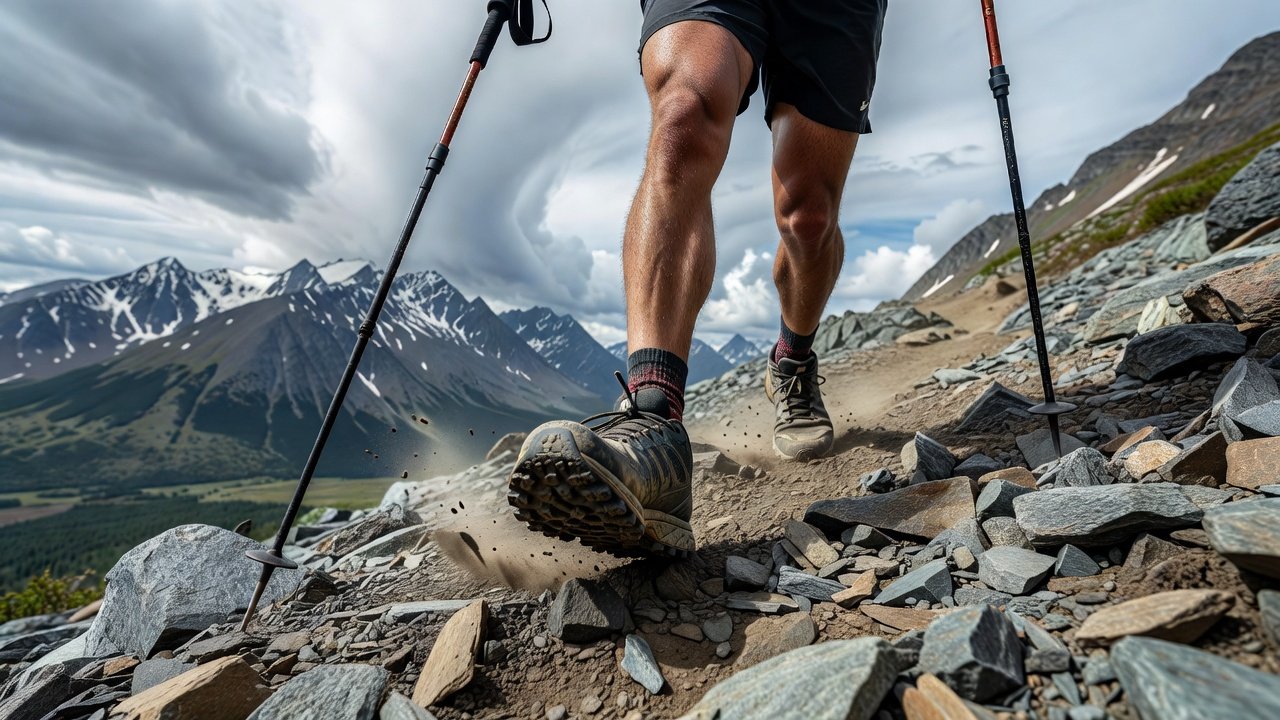
Selecting the right equipment proved critical. I opted for trail shoes with aggressive lugs for grip on loose scree and poles for balance during the steepest sections. A lightweight hydration vest carried fluids and snacks without adding bulk. These choices reduced fatigue compared to my earlier, heavier setups. I tested multiple shoe models during training and settled on a pair with reinforced toe caps after noticing abrasion on rocky sections. The poles, lightweight carbon fiber models, became extensions of my arms on the ascent and provided crucial braking control on the way down. Additional items included a compact wind shell and moisture-wicking layers that adapted to temperature swings from base to summit.
Mental Strategies for the Climb and Descent
Mental preparation involved visualization and mantras. On the ascent, I broke the mountain into segments, celebrating small gains. The descent demanded focus to avoid slips. Breathing exercises helped maintain composure when legs burned. I practiced mindfulness during training runs by focusing solely on foot placement for five-minute intervals. One effective technique was the "one step at a time" mantra repeated during the final push to the summit. This kept negative thoughts at bay when the grade exceeded 40 percent in places. Journaling post-run reflections also helped identify patterns in mental fatigue and develop countermeasures.
Race-Day Conditions and the Mile-by-Mile Breakdown
Clear skies and mild temperatures greeted runners in 2026, though wind picked up near the summit. The atmosphere was electric with hundreds of participants and spectators lining the streets of Seward. Here's the breakdown:
- Mile 0 to 1: Steady climb through forest switchbacks. I settled into a conservative pace to conserve energy. The trail started wide but quickly narrowed, forcing single-file movement. Early conversations with nearby runners helped ease nerves while maintaining a steady heart rate.
- Mile 1 to 2: Exposed rocky sections demanded careful footing and pole use. Here the grade steepened dramatically, and loose gravel required constant attention. I passed several runners who had gone out too aggressively and were now walking sections.
- Mile 2 to Summit: The steepest pitch tested resolve, but training paid off. The final 400 vertical feet felt endless, yet the panoramic views of Resurrection Bay provided motivation. Reaching the turnaround point brought a surge of accomplishment.
- Descent: Technical trail required controlled speed to prevent injury. I used poles to absorb impact and kept knees soft over roots and rocks. Passing slower climbers on the way down added an extra layer of coordination.
Nutrition and Hydration During the Event
I fueled with gels every 45 minutes and sipped electrolyte mix regularly. This strategy prevented bonking on the long climb. Post-summit, a quick bar sustained me through the return. In training I had practiced this exact schedule on similar efforts, so nothing felt new on race day. I carried two 500ml bottles and refilled at the single aid station near the base. Additional snacks included dried fruit and a small bag of pretzels for salt. Avoiding overly sweet options helped prevent stomach issues common in steep efforts.
Post-Race Recovery Tips
Immediate recovery included gentle walking, protein intake, and foam rolling. Over the following days, I prioritized sleep and light mobility work. Within a week, I felt ready for easy runs again. I scheduled a sports massage two days after the race and focused on anti-inflammatory foods like berries and leafy greens. Tracking sleep quality showed I needed extra rest the first three nights. Gradual return to running started with flat 3-mile jogs before reintroducing hills.
Common Mistakes for First-Timers: FAQ
Q: Should I push hard on the ascent? A: No—start conservatively to avoid early burnout.
Q: What about poles? A: Practice with them beforehand; they help immensely on steeps.
Q: How do I handle the descent? A: Focus on quick feet and avoid overstriding to stay safe.
Q: What if weather turns? A: Carry a shell and know the bailout options along the course.
Q: How much training is enough? A: At minimum include weekly hill work and one long mountain run per month leading up to race day.
For more trail insights, check official park resources, expert running guides, and U.S. Forest Service trail information.
Final Reflections on Resilience and Scenic Beauty
Completing the 2026 Mount Marathon reinforced the power of consistent training and mental grit. The panoramic views from the top made every step worthwhile. Whether you're a beginner or ultra veteran, this race offers unmatched inspiration for personal running triumphs. The combination of physical challenge and natural beauty creates lasting memories that fuel future adventures on the trails.

No comments yet. Be the first!