 The Runner Story
Introduction: Conquering the Western States 100 in 2026
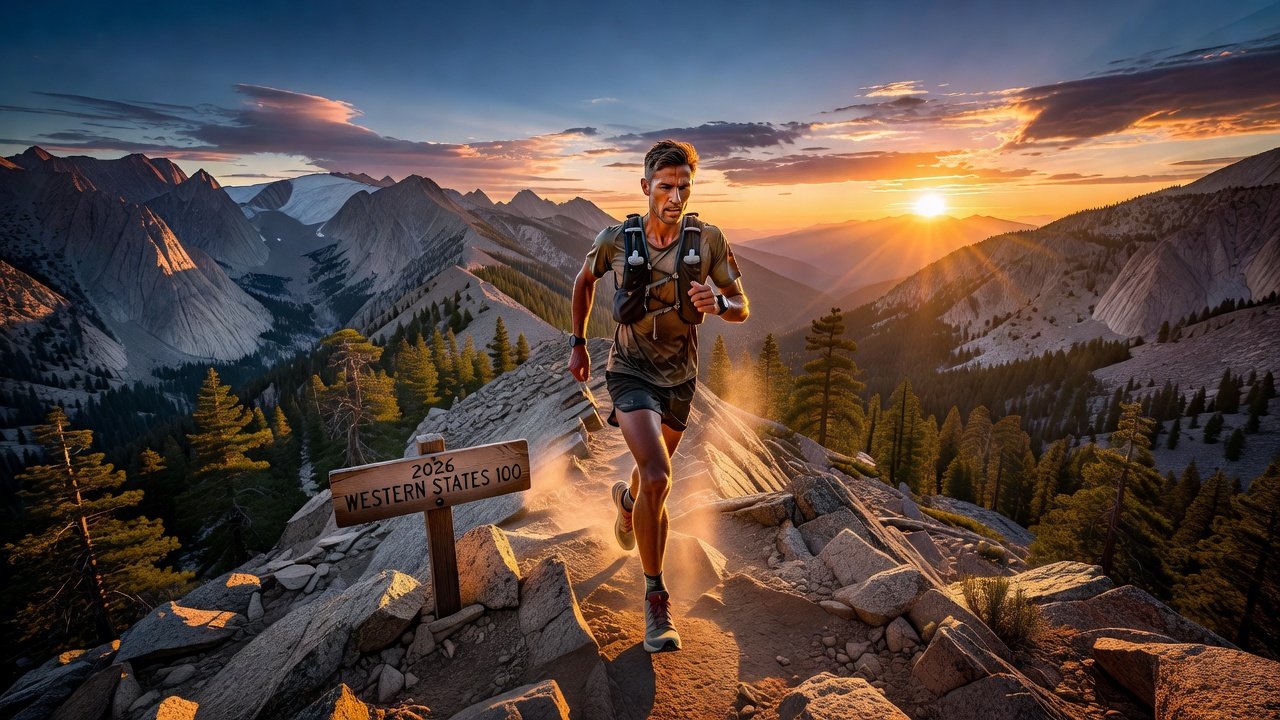
The Western States 100 is one of the most iconic 100-mile trail races in the world, winding through California's Sierra Nevada mountains. In this detailed recap, we follow Alex Rivera, a seasoned ultra runner, as he navigates the 2026 edition. From adaptive training to overcoming extreme heat in the canyons, Alex's story offers practical insights for anyone eyeing similar mountain ultras. The race covers 100.2 miles with over 18,000 feet of elevation gain and loss, starting in Olympic Valley and finishing in Auburn. Alex finished in 23 hours and 42 minutes, a strong result that highlighted the importance of preparation over raw speed.
Finishing strong requires more than endurance—it demands smart pacing, reliable gear, and a supportive crew. Alex crossed the finish line in under 24 hours, drawing lessons that apply to both veterans and beginners. This case study explores every phase of his journey, from the first training miles to post-race recovery, providing concrete examples that readers can apply to their own goals.
Training Adaptations for Mountain Ultras
Preparation began 12 months out with a focus on vertical gain and heat acclimation. Alex incorporated weekly hill repeats and long runs on technical terrain to mimic the 18,000+ feet of elevation change on the Western States course. He also added heat training sessions using a sauna protocol after easy runs, which helped his body handle the midday canyon temperatures that often exceed 100°F. A typical training week included three dedicated hill workouts: one with 4,000 feet of climbing on trails, another with speed intervals on rolling terrain, and a long run exceeding 20 miles that incorporated power hiking practice.
Key adaptations included increasing weekly mileage gradually to 70-80 miles while prioritizing recovery with yoga and mobility work. This approach reduced injury risk and built the resilience needed for back-to-back long efforts. Alex tracked progress using a training log, noting that consistent elevation work in the months leading up improved his downhill running efficiency by reducing quad fatigue during race simulations.
Course-Specific Challenges: Canyons and Heat
The race's notorious canyons, including the famous Devil's Thumb and Michigan Bluff sections, tested Alex's limits. Steep descents followed by brutal climbs in oppressive heat required careful hydration and mental strategies. Alex used a run-walk method on ascents, conserving energy for later miles. The canyons between miles 30 and 60 are particularly demanding because shade is minimal and temperatures can climb rapidly after dawn.
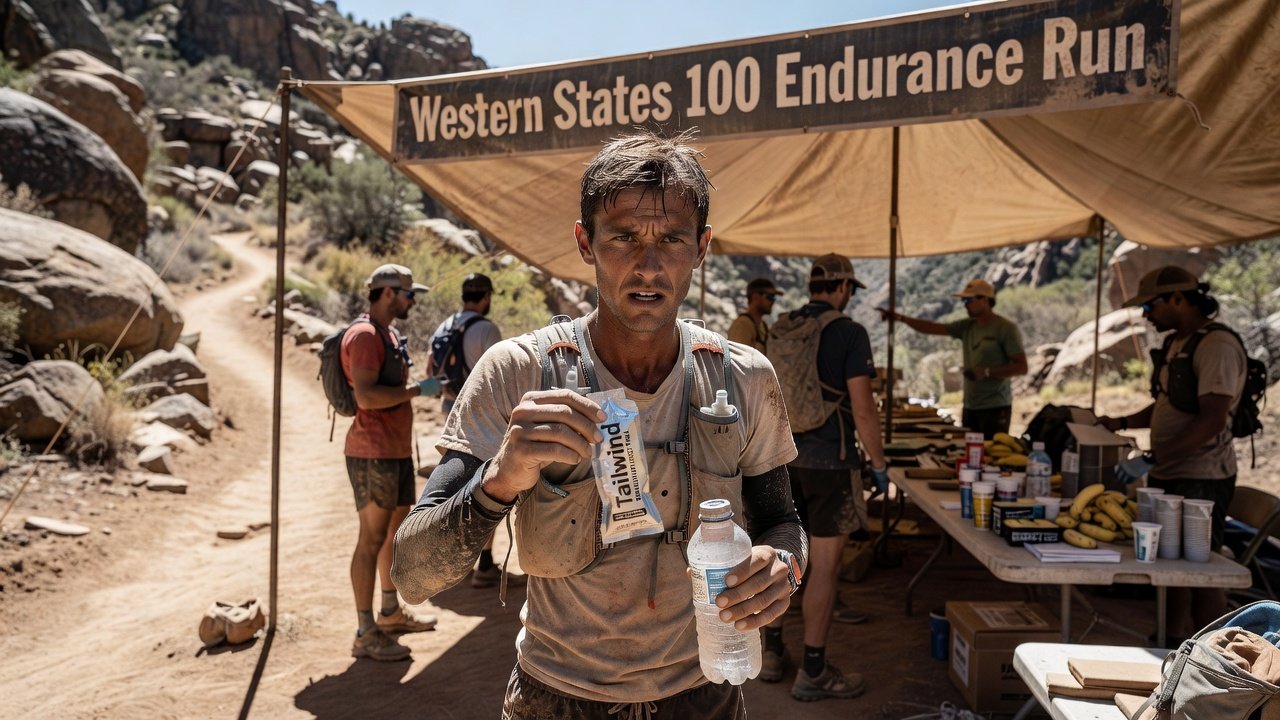
Practical example: At mile 45, temperatures spiked, forcing him to slow his pace and focus on shade-seeking. This adjustment prevented the common mistake of pushing too hard early, which derails many runners. He carried two 500ml bottles and refilled at every stream crossing, a tactic that kept dehydration at bay despite the dry Sierra air. Runners who overlook these micro-adjustments often face DNFs in this section.
Pacing Strategies That Led to Success
Alex's pacing plan divided the race into four segments. He started conservatively, aiming for even splits adjusted for elevation. Using a GPS watch with heart rate monitoring, he kept effort below 75% max heart rate in the first 50 miles. This allowed him to maintain a steady 12-14 minute per mile pace on flats and under 20 minutes per mile on climbs.
Comparisons to other mountain ultras like the Hardrock 100 highlight Western States' unique heat factor. While Hardrock emphasizes altitude, Western States rewards heat management and efficient downhill running. Alex studied splits from previous years to refine his strategy, noting that runners who bank time early often pay for it after Foresthill. His conservative start paid dividends when he passed several competitors in the final 20 miles.
Gear Testing and Selection
Months of testing led Alex to a minimalist setup: lightweight trail shoes with aggressive lugs, a 12-liter vest, and UV-protective clothing. He tested everything on training runs exceeding 50 miles to avoid race-day surprises. The shoes were rotated through three pairs during training to ensure comfort on technical singletrack and rocky sections.
Essential items included trekking poles for the later climbs and a reliable headlamp for the night finish. Crew members carried backup gear, ensuring quick transitions at aid stations. Alex also packed a lightweight wind shell for the higher elevations near Robinson Flat, where morning chills can drop temperatures significantly even in summer.
Crew Dynamics and Support
A three-person crew proved invaluable. They handled logistics at remote access points, providing encouragement and quick nutrition refills. Clear communication via pre-planned signals helped Alex stay focused without wasting time. The crew rehearsed their roles during a 50-mile training run two months prior, which smoothed out the real race experience.
One memorable moment: At the Foresthill aid station, the crew's positive energy lifted his spirits during a low point, turning potential dropout into a strong second-half push. They provided updated split times and motivational messages that kept Alex mentally sharp through the night section.
Nutrition During the 100-Mile Ultra
Nutrition centered on 60-70 grams of carbs per hour using a mix of gels, chews, and real food like mashed potatoes at aid stations. Alex avoided new products on race day, sticking to tested favorites. He consumed a gel every 30 minutes and alternated with salty snacks to maintain electrolyte balance.
Fluid intake was monitored closely with electrolyte tablets to combat dehydration in the heat. This balanced approach maintained energy levels through the night. Alex noted that small, frequent intakes prevented the stomach issues that plague many ultra runners who overconsume at once.
Comparison to Other Mountain Ultras
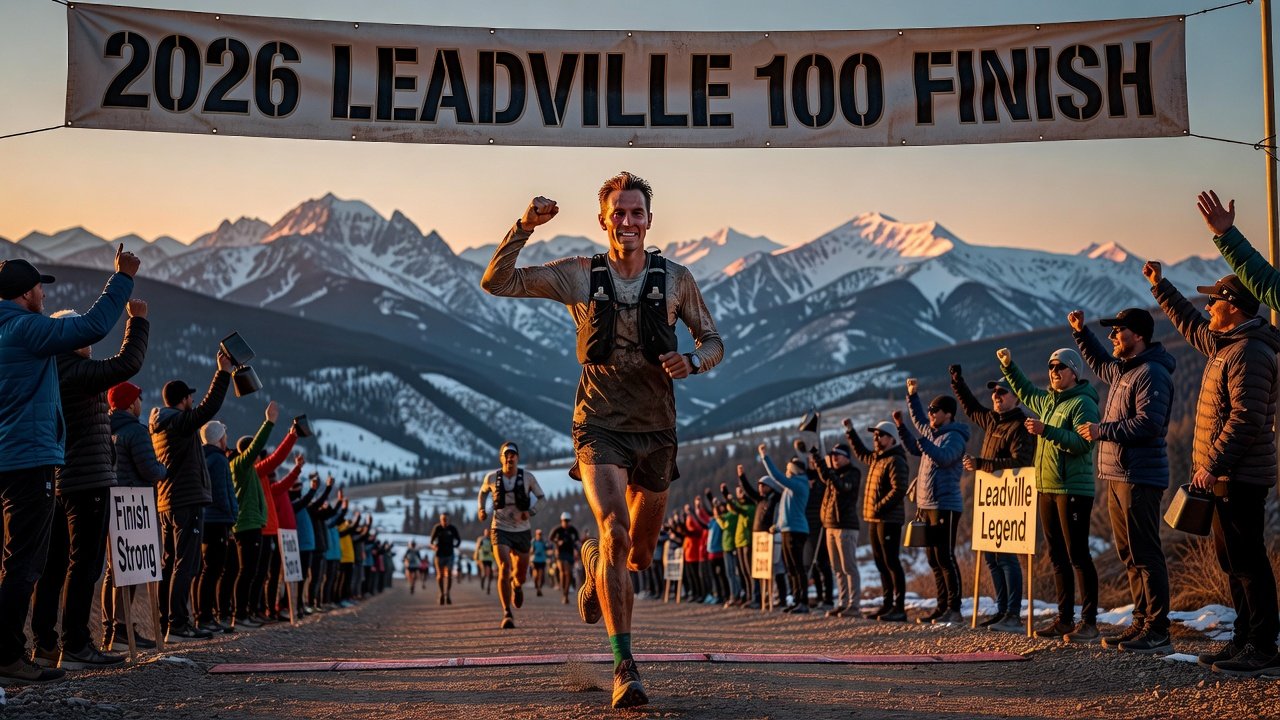
Unlike the technical trails of the UTMB, Western States features more runnable sections but demands superior heat tolerance. Alex noted that strategies from races like the Leadville 100—such as power hiking—transferred well but required modification for the drier Sierra climate. For more ultra running insights, check Runner's World.
These insights help runners choose events matching their strengths. Western States rewards consistent effort and heat resilience more than pure climbing ability.
Mental Resilience and Mindset
Beyond physical prep, Alex emphasized mental strategies. He used visualization during training and broke the race into manageable segments, focusing only on the next aid station. When doubts crept in during the canyons, he repeated a mantra about finishing strong for his crew. This mindset shift helped him push through the 3 a.m. low point near mile 80.
Practical Takeaways for Future Racers
- Start heat acclimation 6-8 weeks before race day with sauna sessions or hot runs.
- Practice crew communication during long training runs to refine signals and logistics.
- Test all gear and nutrition on at least two 50+ mile efforts under similar conditions.
- Study course profiles and historical weather data from the Western States Endurance Run site.
- Incorporate regular downhill running to build quad resilience.
- Plan nutrition timing in advance and practice it weekly.
- Build a support network early and include them in training simulations.
Short FAQ on Qualifying and Recovery
How do beginners qualify for the Western States 100?
Qualification requires completing a 100K or longer ultra within a specified time standard. Check the official Western States Endurance Run site for current lottery and qualifier details.
What does recovery look like after a 100-miler?
Expect 4-6 weeks of active recovery with short walks and easy runs. Focus on sleep, nutrition, and gradual return to training. Resources like iRunFar offer excellent post-race guides.
Is the Western States 100 suitable for first-time 100-milers?
Many runners succeed with solid 50-mile experience, but the heat and terrain make it challenging. Build up with shorter mountain ultras first.
What are key signs of overtraining during Western States prep?
Persistent fatigue, elevated resting heart rate, and recurring minor injuries signal the need for rest. Monitor these weekly and adjust volume accordingly.
Whether you're inspired to tackle your first ultra or refine your approach, Alex's 2026 Western States triumph shows that preparation and adaptability turn dreams into finish-line realities. The combination of targeted training, smart in-race decisions, and strong support made the difference in this Sierra trail running triumph.
No comments yet. Be the first!