 The Runner Story
Conquering the 2026 Everest Marathon: A Personal High-Altitude Journey
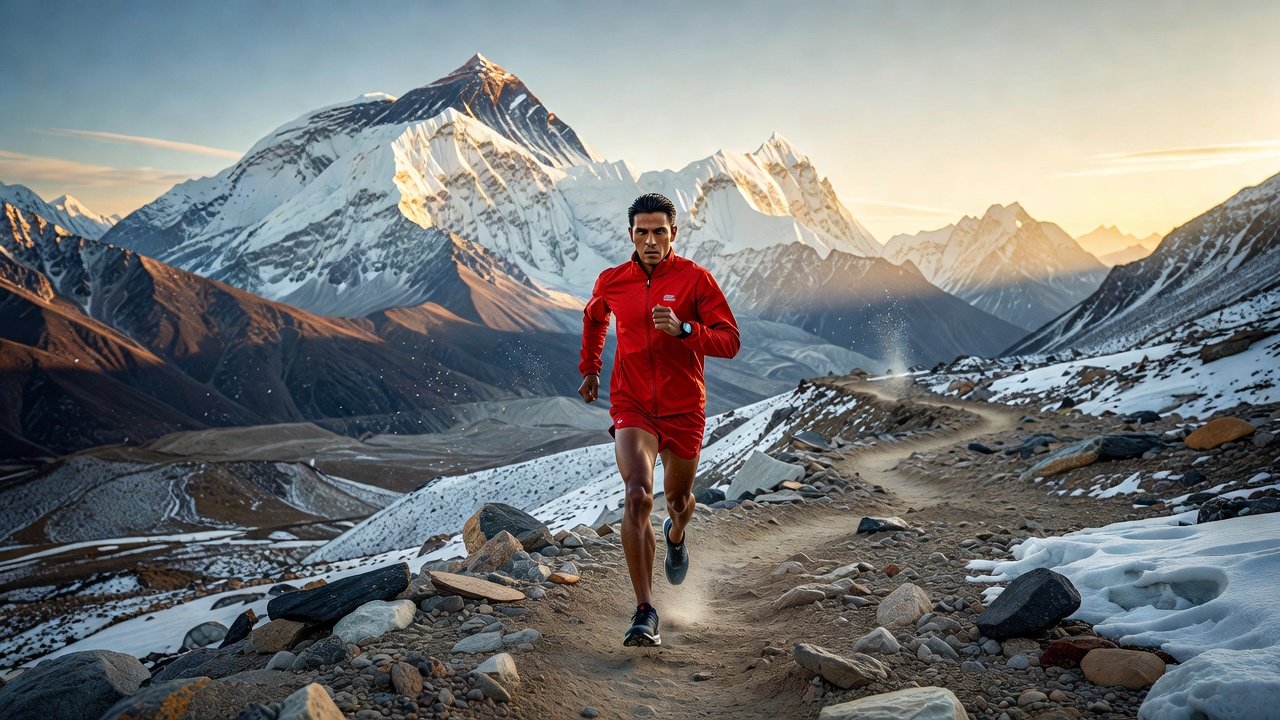
The 2026 Everest Marathon pushed me to limits I never imagined possible. Running at extreme altitudes through the rugged Himalayas demanded every ounce of preparation, resilience, and adaptability. This race recap shares my firsthand experiences, from training adaptations for thin air to race-day decisions that defined my triumph. As an experienced ultra runner who had completed several sea-level marathons and trail events, I knew this would be different, but nothing prepared me fully for the thin air above 5,000 meters where oxygen levels drop dramatically. The event started from Everest Base Camp and wound through iconic trails, testing every aspect of physical and mental endurance over 42 kilometers of varied terrain including steep ascents, rocky paths, and rapid descents.
Training Adaptations for Thin Air
Preparing for the Everest Marathon meant simulating altitude conditions long before arriving in Nepal. I incorporated high-altitude simulation training using a hypoxic tent at home, gradually increasing exposure over six months. This helped my body produce more red blood cells and improve oxygen efficiency. Weekly long runs on steep trails built leg strength, while interval sessions focused on maintaining pace despite reduced oxygen intake. Key stats from my training log showed a 15% improvement in VO2 max by race week. A typical week included three hill sessions of 10 to 15 kilometers each, two recovery runs, and one long trail effort exceeding 25 kilometers with elevation gains mimicking the Himalayas. I also added yoga and breathing exercises like Wim Hof method to enhance lung capacity. Acclimatization in Nepal involved arriving three weeks early and completing multiple treks up to 6,000 meters to allow my body to adjust naturally, avoiding acute mountain sickness through slow progression and hydration.
Race-Day Pacing Strategies Across Himalayan Terrain
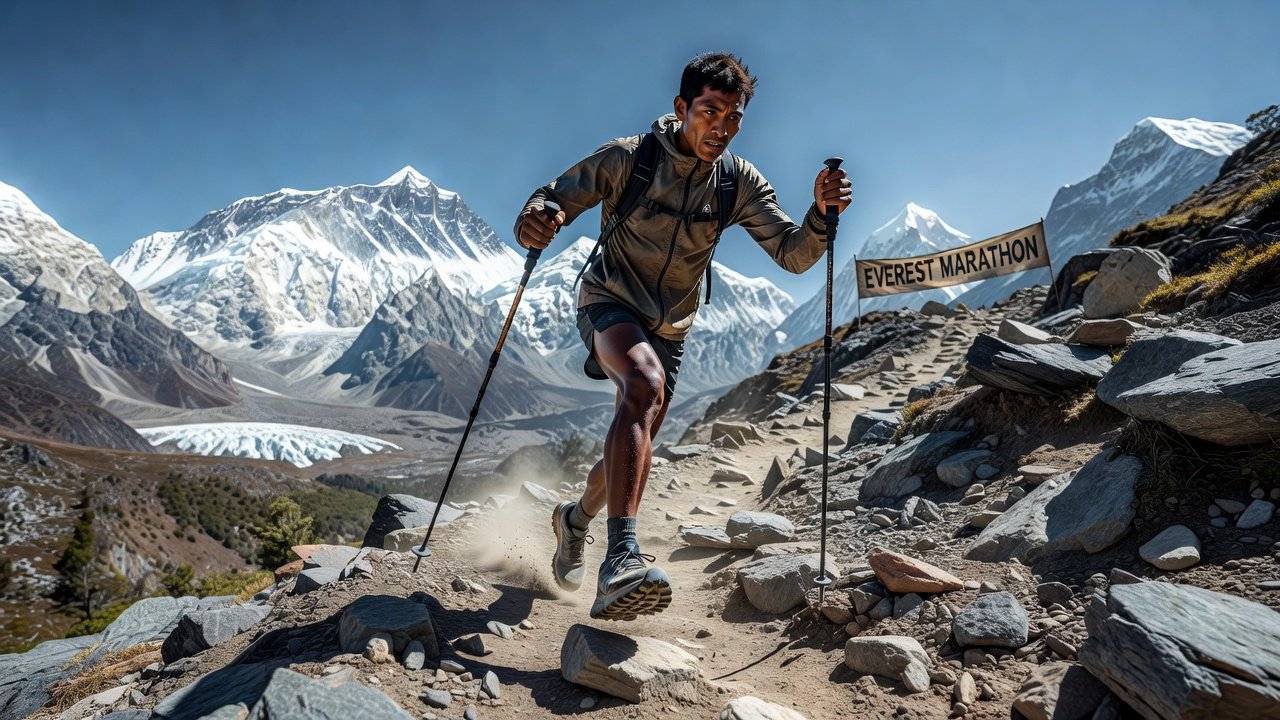
Pacing at altitude is vastly different from sea-level marathons. I started conservatively, targeting a 12-minute-per-mile pace on the initial ascent to conserve energy. The rugged trails required constant micro-adjustments—shortening strides on loose rocks and using trekking poles for stability. Descent sections demanded controlled speed to avoid knee strain, with my average pace dropping to 10 minutes per mile on downhill stretches. Breaking the course into segments helped: the first 10 kilometers focused on steady effort without pushing heart rate above 150 bpm, the middle section allowed for calculated surges on flatter areas, and the final descent emphasized form to prevent injury. Real-time adjustments based on breathing and perceived exertion proved more effective than rigid GPS targets due to variable weather and trail conditions.
Pivotal Moments: Summit Approaches and Descent Challenges
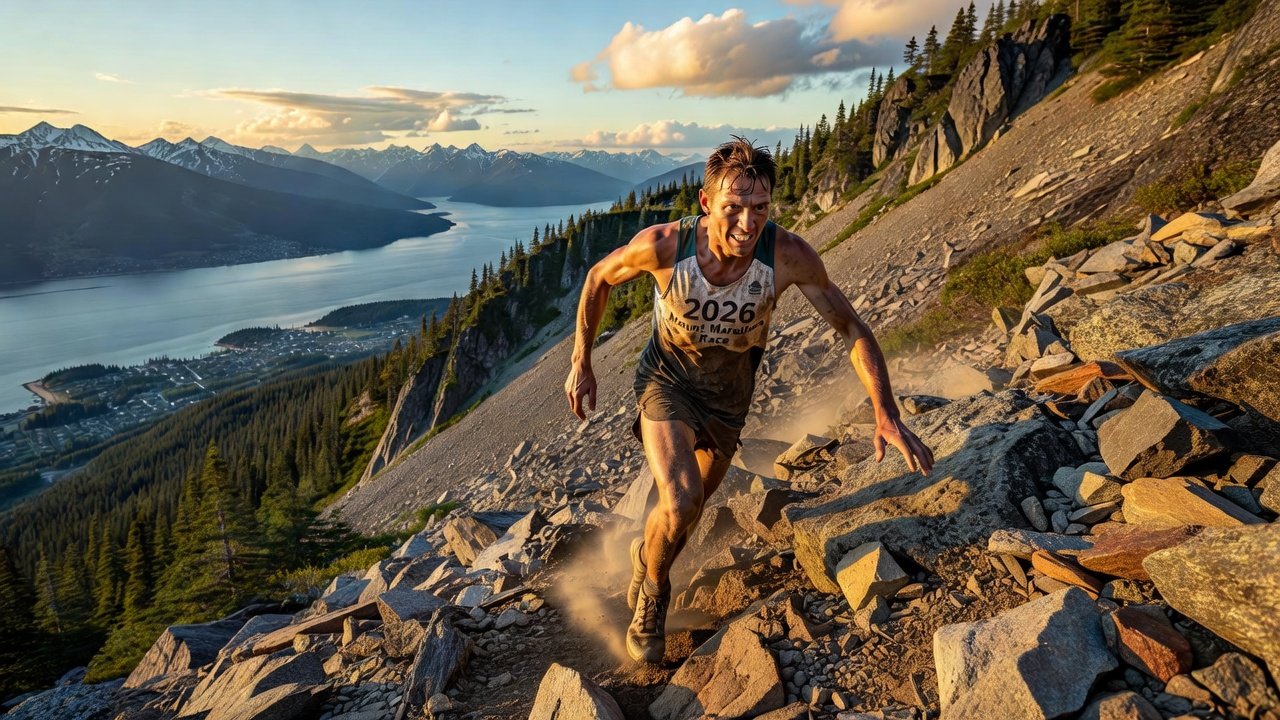
Approaching the high point near Base Camp felt surreal. The thin air made every breath labored, yet the views of Everest's peaks provided unmatched motivation. The descent proved the toughest challenge, with uneven paths and fatigue testing my focus. One misstep nearly ended my race, but quick recovery kept me moving forward. Around the 25-kilometer mark, a sudden wind gust forced a brief shelter stop, reminding me of the unpredictable Himalayan environment. Crossing the finish line after nearly eight hours brought an overwhelming sense of achievement, especially knowing many runners DNF due to altitude issues.
Gear Comparisons for Extreme Conditions
Selecting the right equipment made a substantial difference in comfort and performance. Trail shoes versus mountain boots showed that lightweight trail shoes offered better agility on technical terrain compared to heavier boots which provided more ankle support but added fatigue. Layering systems using merino wool base layers outperformed synthetics for temperature regulation during temperature swings from freezing mornings to warmer afternoons. Adjustable carbon poles reduced impact on descents versus running without support, saving my quads for the later stages. Additional items like a lightweight wind jacket, UV-protective sunglasses, and GPS watch with altimeter helped navigate and monitor conditions effectively.
Nutrition and Hydration Tactics
Staying fueled at altitude required frequent small intakes. I relied on easily digestible gels and dehydrated meals, consuming 60-70 grams of carbs per hour. Hydration involved sipping electrolyte mixes every 20 minutes to combat dehydration risks in dry air. Practical example: carrying a 2-liter hydration pack allowed steady intake without stopping. I planned meals with a mix of sweet and savory options to avoid palate fatigue, including rice-based bars and nut butters for sustained energy. Pre-race carb loading focused on local Nepali dishes like dal bhat for familiar digestion, while during the race I alternated between liquid and solid nutrition every 30 minutes to maintain steady blood sugar levels.
Lessons on Mental Resilience Versus Sea-Level Events
Mental toughness at altitude surpasses sea-level races due to isolation and physical stress. Visualization techniques and breaking the race into segments helped maintain focus. Unlike flat marathons, the Everest course demanded acceptance of discomfort as normal. This built deeper resilience transferable to future ultras. Techniques such as positive self-talk during low moments and focusing on small victories like reaching each checkpoint kept me going when doubt crept in. Comparing to my previous Boston Marathon experience, the Everest event required far more patience and adaptability since external factors like weather could halt progress entirely.
Short FAQ for Runners Considering Similar Ultras
What is the typical finishing time for the Everest Marathon?
Most participants finish between 6 to 10 hours, depending on acclimatization and conditions.
How do I train for high-altitude running?
Focus on hill repeats, altitude simulation, and building aerobic base over months with progressive elevation exposure.
Is the Everest Marathon suitable for beginners?
No, it requires prior ultra-running experience and medical clearance for altitude exposure.
What medical preparations are essential?
Consult a doctor for altitude sickness prevention, carry Diamox if prescribed, and monitor for symptoms like headache or nausea throughout the event.
How does the course elevation profile look?
The route features over 2,000 meters of cumulative gain and loss, with the highest point near 5,500 meters and significant undulations throughout.
Conclusion
The 2026 Everest Marathon transformed my understanding of personal limits. Through strategic training, smart pacing, and unwavering mindset, I achieved a triumph that inspires my ongoing adventures. For adventurous athletes, this race offers unparalleled rewards for those willing to prepare thoroughly. Explore more at World Health Organization for altitude health insights, Centers for Disease Control and Prevention for travel safety tips, and Mayo Clinic for high-altitude illness guidance.
No comments yet. Be the first!