 The Runner Story
Introduction: My 2026 Himalayan Trail Running Journey
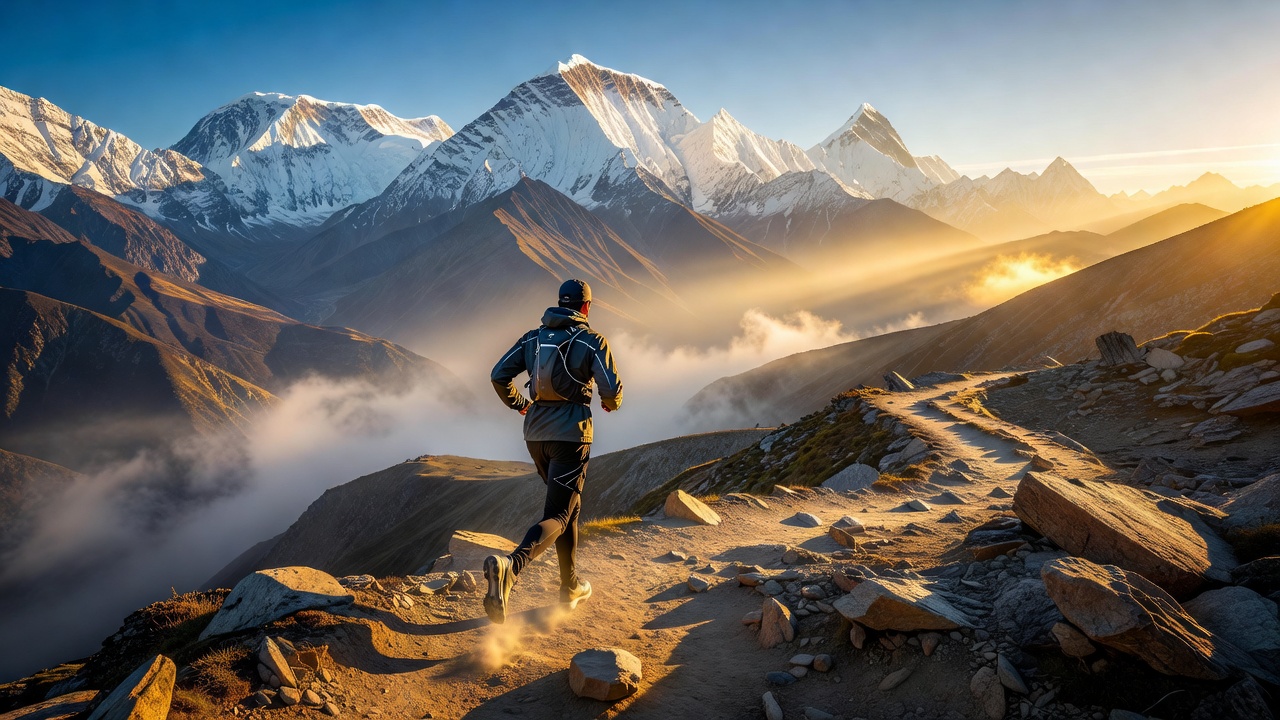
Embarking on the 2026 Himalaya Trail Run was the culmination of months of preparation and a lifelong dream to conquer one of the world's most demanding trail systems. This personal race recap captures the highs, lows, and transformative moments from start to finish, offering authentic insights for runners seeking similar adventures. From sea-level marathons to these oxygen-thin paths, the differences were stark and unforgettable. The 110-kilometer course wound through remote villages, ancient monasteries, and towering peaks exceeding 4,000 meters, testing every aspect of endurance, mental fortitude, and adaptability. As I crossed the finish line after nearly 28 hours of continuous movement, the emotional release was overwhelming, blending exhaustion with profound accomplishment that words can barely capture.
The event attracted a diverse field of ultra runners from around the globe, each with unique motivations ranging from personal records to spiritual quests. For me, it represented a bridge between my background in flat-terrain marathons and the raw wilderness of high-altitude trail running. This case study-style recap aims to provide practical value, vivid storytelling, and motivational insights to help aspiring ultra runners prepare effectively.
Training for High-Altitude Endurance
Preparation began six months prior with a focus on building aerobic capacity and acclimatization. I incorporated weekly hill repeats on local trails, progressing from 200-meter sprints to full 5-kilometer climbs, alongside long runs at progressively higher elevations up to 2,500 meters to simulate the 3,000+ meter altitudes ahead. Interval sessions on treadmills with reduced oxygen settings helped build red blood cell count, while strength training for core stability and lower-body resilience targeted the uneven terrain demands. Specific workouts included 10-kilometer tempo runs at 80% effort followed by hill bounding drills, and weekend back-to-back long runs totaling 50 kilometers to mimic race fatigue.
Comparisons to sea-level races highlighted the need for slower paces initially. What felt like a comfortable 8-minute mile at home became a labored 12-minute effort in the mountains due to reduced oxygen availability. I tracked progress with a heart rate monitor, keeping zones below 70% max to avoid early burnout, and incorporated yoga for flexibility and recovery. One key example was a training camp at 3,000 meters where I completed a 30-kilometer run in under five hours, proving my adaptation strategy worked. These elements combined to create a robust foundation that prepared me for the unpredictable Himalayan conditions.
Race-Day Weather Surprises and Mile-by-Mile Highlights
Forecasts predicted mild conditions, but sudden snow flurries and high winds struck midway through day two, transforming the landscape dramatically. At mile 18, visibility dropped sharply amid a whiteout, forcing a cautious descent on icy switchbacks where one wrong step could mean disaster. The emotional low hit around mile 32 when fatigue combined with the cold tested my resolve, leading to a 20-minute pause for hot tea at an aid station to regroup mentally.
Yet the highs were equally vivid: sunrise over Annapurna at mile 45 brought renewed energy as golden rays pierced the clouds, and crossing a prayer-flag lined ridge at mile 62 felt like floating on air. By mile 75, a sudden clearing revealed panoramic views of distant peaks, providing the second wind needed to push through the final sections. These mile-by-mile examples underscore the raw beauty and unpredictability of Himalayan trails, where weather can shift from clear skies to blizzards within minutes.
Nutrition Strategies That Kept Me Going
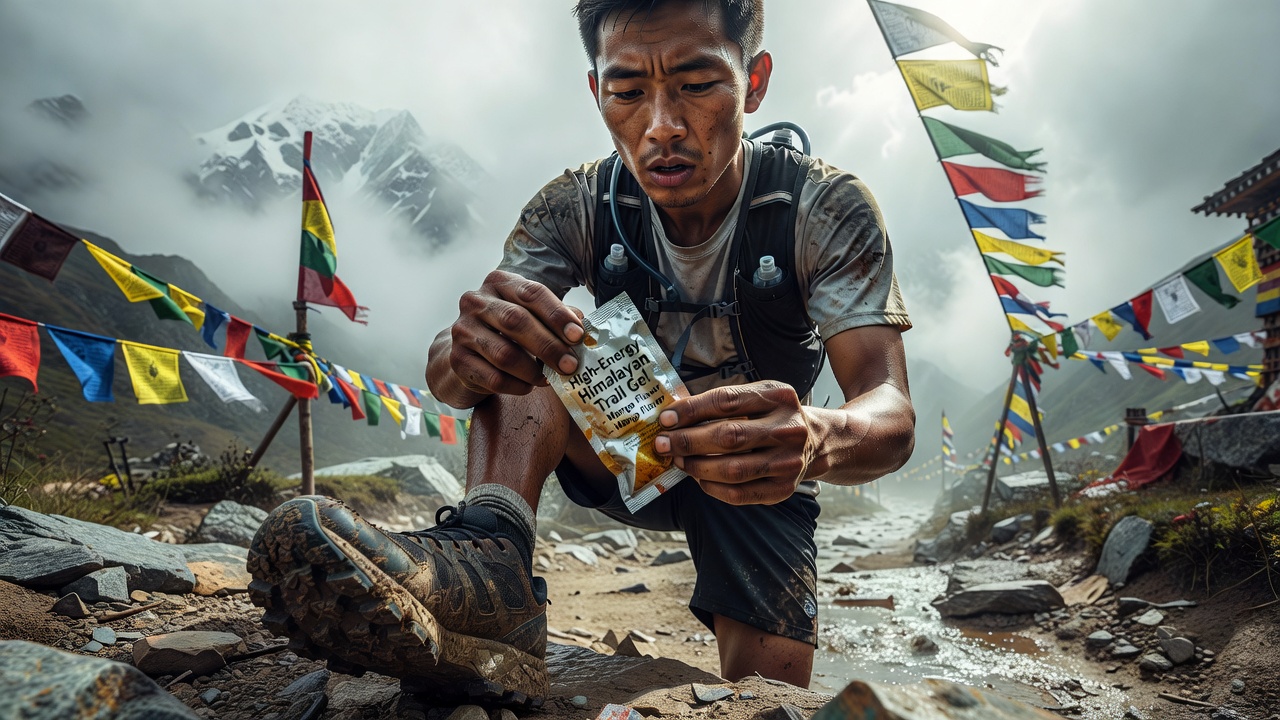
Fueling was critical in thin air where digestion slows significantly. I relied on easily absorbed gels, dried fruits, and electrolyte drinks consumed every 45 minutes, totaling around 60 grams of carbohydrates per hour. Homemade rice balls with honey and nuts provided sustained energy during long climbs, while avoiding heavy proteins after the first 20 kilometers prevented stomach issues. Hydration targets stayed at 500ml per hour, adjusted upward during warmer midday sections for sweat rates in the dry climate.
Lessons learned included pre-loading carbs the night before with pasta and rice dishes, and avoiding new foods on race day entirely. This approach prevented the gastrointestinal issues common in ultra events. Comparisons to sea-level races showed that altitude required smaller, more frequent intakes rather than larger meals. Practical examples included switching to liquid nutrition during steep ascents when chewing became difficult, ensuring steady energy without bonking.
Practical Gear Recommendations
Essential items included a lightweight waterproof jacket rated for 10,000mm water resistance, trail shoes with aggressive lugs for loose scree and mud, and a hydration vest with 2-liter capacity plus extra pockets for snacks. Trekking poles proved invaluable on steep ascents, reducing leg strain significantly compared to sea-level events by distributing weight evenly. A compact GPS watch with offline maps and altimeter ensured navigation safety through unmarked sections.
- Layered merino wool base layers for temperature swings from freezing nights to warm afternoons
- UV-protective sunglasses and sunscreen rated SPF 50+ to combat intense high-altitude sun
- Emergency bivy sack for unexpected weather delays or minor injuries
- Compression socks to reduce swelling during the later stages
- Headlamp with extra batteries for the final night section
These choices were refined through trial runs, emphasizing lightweight yet durable options that performed reliably across varying conditions.
Emotional Highs and Lows with Motivational Insights
The emotional journey mirrored the terrain's ups and downs. A low point at mile 50 brought self-doubt after a fall on loose rocks, yet pushing through fostered resilience that sea-level races rarely demand. Highs included bonding with fellow runners at aid stations and the spiritual calm of passing Buddhist stupas. These experiences taught that ultra running builds mental strength applicable to everyday challenges, motivating me to share this story for others facing similar doubts.
Recovery Tips and Post-Race Reflections
Post-race recovery involved immediate rehydration with electrolyte solutions and a protein-rich meal within 30 minutes, followed by gentle walking the next day to promote circulation. Sleep quality improved dramatically after returning to lower elevations, though muscle soreness lingered for a week. I recommend foam rolling targeted at calves and quads, contrast baths alternating hot and cold water, and gradual return to running after two weeks. Comparisons showed recovery took twice as long as after flat marathons due to altitude stress.
Lessons Learned for Future Runners
Key takeaways include starting training earlier for altitude adaptation, listening to your body during weather shifts, and packing versatile gear. Mistakes to avoid encompass ignoring early altitude symptoms and over-fueling at once. Motivational insight: every mile builds resilience that carries beyond the race, encouraging aspiring runners to start small and build consistently.
FAQ: Altitude Sickness Prevention and Trail Safety
How can I prevent altitude sickness?
Acclimatize gradually over several days, stay hydrated, and consider medications like acetazolamide after consulting a doctor. Monitor for symptoms such as headache or nausea and descend if they worsen. For more guidance, visit World Health Organization.
What trail safety measures are essential?
Carry navigation tools, inform others of your route, and pack a basic first-aid kit. Check weather forecasts daily and travel with a buddy when possible. Resources like Centers for Disease Control and Prevention offer travel health tips for high-altitude regions.
Is prior ultra experience necessary?
While helpful, structured training can bridge the gap for dedicated runners transitioning from shorter distances.
Conclusion
The 2026 Himalaya Trail Run transformed my perspective on running and personal limits. With thorough preparation, adaptive strategies, and unwavering determination, these trails offer unparalleled rewards. Aspiring ultra runners should embrace the journey, learn from each challenge, and chase their own epic adventures.

No comments yet. Be the first!