 The Runner Story
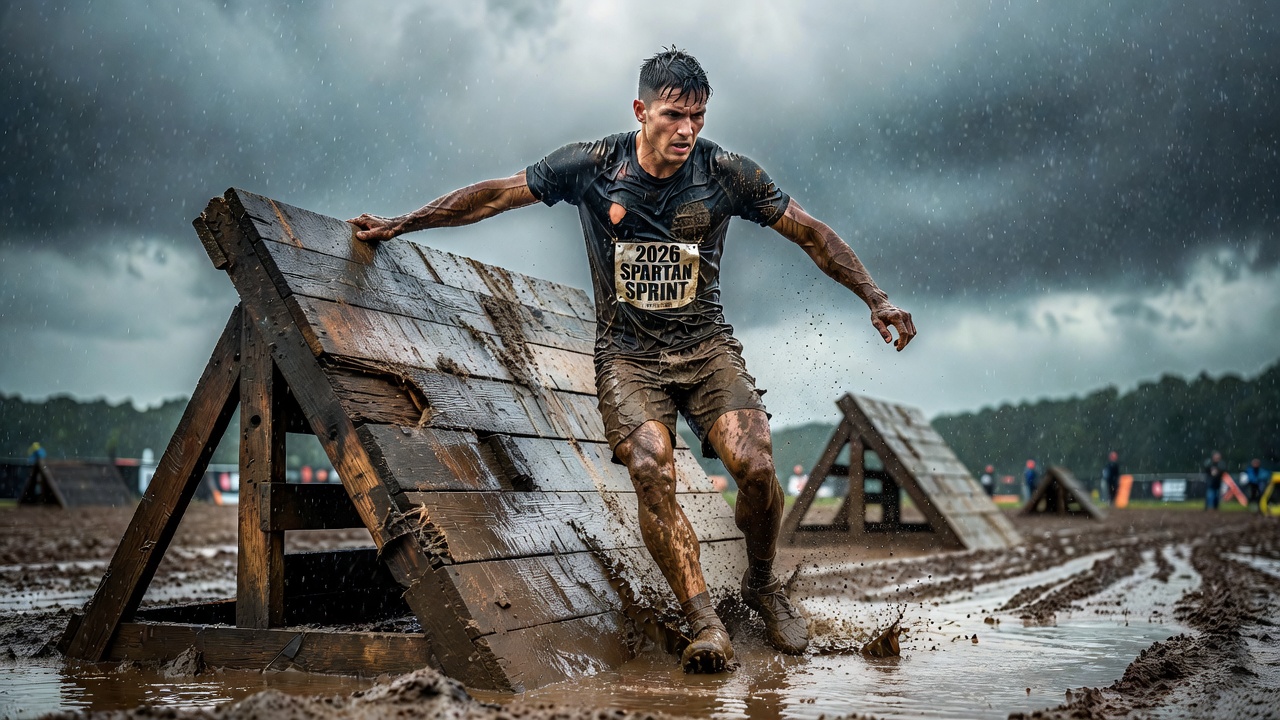
Introduction: My 2026 Spartan Sprint Journey
Completing the 2026 Spartan Sprint tested every aspect of my running resilience. This obstacle course race blended trail running with demanding physical challenges, creating an unforgettable experience that highlighted both personal growth and strategic preparation. Whether you're searching for authentic Spartan Sprint recaps or inspiration for your own running stories, this case study offers practical insights from pre-race training through post-event recovery. The event drew thousands of participants seeking a mix of endurance and strength, and my personal journey underscored how obstacle navigation can transform a standard run into a profound test of mental and physical limits.
Pre-Race Training and Building Running Resilience
Preparation began months earlier with a focus on combining endurance runs and strength work. I incorporated hill repeats, burpees, and grip training to simulate race demands. Weekly mileage built gradually, mixing road runs with trail sessions to adapt to uneven terrain. Mental strategies included visualization of obstacles and positive self-talk to maintain focus during fatigue. For example, I followed a 12-week plan that started with three runs per week totaling 15 miles and progressed to five sessions including long trail efforts of 8-10 miles. Strength days featured circuits of pull-ups, squats, and farmer's carries twice weekly. This approach not only boosted my aerobic base but also prepared my shoulders and core for walls and carries. Running resilience grew through consistent exposure to adverse weather, teaching me to embrace discomfort rather than avoid it.
Key Course Challenges: Mud Pits, Walls, and More
The course featured notorious mud pits that slowed runners to a crawl and required creative navigation. Walls demanded upper-body strength and technique, while other obstacles tested balance and agility. Mile-by-mile, the terrain shifted from open fields to wooded trails, amplifying the physical toll. Deep mud pits stretched 50 yards long and forced participants to either wade or crawl, often resulting in lost shoes or full-body submersion. Wooden walls reached eight feet and required a boost from fellow racers or precise foot placement on narrow ledges. Additional challenges included rope climbs, sandbag carries, and barbed-wire crawls that tested grip endurance after miles of running. These elements turned a simple trail run into a multifaceted battle requiring quick problem-solving under exhaustion.

Mile-by-Mile Breakdown and Mental Strategies
Early miles focused on pacing to conserve energy for obstacles ahead. Around mile three, mud pits forced walking, testing patience. Mental strategies like breaking the race into segments helped maintain motivation. By mile five, resilience kicked in as I pushed through fatigue with breathing techniques and encouragement from fellow racers. Miles one and two allowed a steady jog through grassy fields where I settled into a comfortable rhythm. Mile four introduced the first major wall, where a quick team assist saved energy. At mile six, a series of rolling hills combined with a sandbag carry drained my legs, so I used a mantra of "one step at a time" to stay present. The final two miles featured a long muddy crawl under wire and a steep final climb, where positive visualization of the finish line kept me moving despite burning quads. These mental tactics transformed potential breakdowns into moments of focused determination.
Gear Choices and Nutrition During the Event
Choosing lightweight trail shoes with aggressive tread proved essential for mud. A hydration vest carried gels and water, while moisture-wicking layers handled variable weather. Nutrition emphasized quick-absorbing carbs every 45 minutes to sustain energy without stomach issues. My shoe choice featured a model with deep lugs that shed mud effectively, paired with compression socks to prevent blisters in wet conditions. The vest held two 500ml flasks and four energy gels, allowing refills at aid stations. I consumed a gel at miles two, four, and six, supplemented by a banana at the halfway point. This strategy prevented the bonking common in longer efforts and maintained steady blood sugar levels throughout the two-hour race.
Comparisons to Pure Running Races
Unlike marathons that emphasize steady pacing, Spartan Sprints demand constant adaptation. The mix of running and obstacles builds versatile fitness, though it can lead to higher injury risk if form falters. Pure runners may find the strength elements refreshing yet humbling. In a road marathon, forward momentum stays uninterrupted, but here every obstacle resets your heart rate and engages different muscle groups. Training for both events overlaps in endurance work, yet Spartan preparation requires dedicated time for pull-ups and core stability that pure distance runners often neglect. The hybrid nature rewards athletes who balance speed with power, creating a more well-rounded runner overall.
Lessons Learned for Future Participants
Key takeaways include prioritizing grip strength and practicing obstacle-specific drills. Always scout the course map in advance and train with race-day nutrition. Building a support network of training partners enhances accountability and enjoyment. During my race, failing to adequately train rope climbs led to multiple attempts on one obstacle, costing valuable time and energy. Future participants should simulate full race simulations on weekends, including muddy conditions if possible. Another lesson was the value of community; chatting with strangers at obstacles reduced anxiety and provided practical tips mid-race.
Beginner's Checklist for Spartan Sprint Success
- Assess current fitness level and consult a doctor
- Start with 5K training before adding obstacle drills
- Invest in proper trail running shoes and gloves
- Practice burpees, rope climbs, and wall scaling
- Plan nutrition and hydration strategy
- Review course details and weather forecasts
- Build a support crew for training and race day
- Incorporate mobility work to prevent common strains
Recovery Tips Post-Race
Immediate recovery involved light walking, stretching, and rehydration. Over the following days, focus on protein-rich meals, foam rolling, and gradual return to training. Sleep and active recovery days minimized soreness and supported long-term resilience. The day after the race, I prioritized 20 minutes of gentle yoga and consumed 30 grams of protein within two hours of finishing. By day three, short easy runs resumed while monitoring knee and shoulder joints for lingering discomfort. Foam rolling targeted calves and hip flexors daily for a week, speeding the return to normal training volume.
FAQ: Common Concerns Like Injury Prevention
How do I prevent injuries during obstacle races? Warm up thoroughly, strengthen stabilizing muscles, and listen to your body to avoid overexertion. Focus on dynamic stretches before starting and include weekly strength sessions targeting shoulders, core, and ankles.
What if I fail an obstacle? Most races allow burpee penalties; practice them in training to build efficiency. Aim for sets of 10-20 burpees during workouts to simulate race flow.
Is the Spartan Sprint suitable for beginners? Yes, with proper preparation. Start with shorter distances and build progressively through consistent training blocks.
How does nutrition differ from road races? Focus on portable, easy-to-digest options that withstand mud and movement. Test all fuels during training runs to avoid surprises.
Can I walk parts of the course? Absolutely; walking steep or muddy sections preserves energy for later obstacles and reduces injury risk.
Conclusion: Embracing Running Resilience
The 2026 Spartan Sprint reinforced the power of preparation and mindset. By blending running stories with obstacle navigation, it offered lessons that extend beyond race day. Use these insights to fuel your next adventure and cultivate lasting resilience on the trails. For more on obstacle course racing, visit Spartan or explore training resources at Runner's World.


No comments yet. Be the first!