 The Runner Story
Introduction: Crossing the Seine to Victory
The 2026 Paris Marathon delivered an unforgettable journey along the iconic Seine River, blending personal achievement with the city's timeless charm. As a seasoned runner tackling my first European marathon, the race tested my limits through cobblestone sections and historic landmarks while fueling me with electric crowd support. This recap explores every layer of the experience, from training tweaks to post-race recovery, offering practical value for anyone eyeing an international race. The event drew over 50,000 participants, weaving through 26.2 miles of Parisian history under mild spring conditions that favored strong performances. My goal was not just a finish but a meaningful connection to the route's beauty and challenges, which ultimately created one of my most memorable running days.
Pre-Race Training Adjustments for Paris Conditions
Preparing for the Paris Marathon required adapting my usual regimen to account for urban terrain and variable spring weather. I increased hill repeats and incorporated brick sessions to simulate the fatigue of running after long flights. Focus shifted to ankle stability drills after researching the city's uneven surfaces. Three months out, I added weekly long runs on simulated cobblestones using textured mats at my local track. These adjustments paid off, helping maintain form through the 26.2 miles. I also incorporated tempo runs on slight inclines to mimic the subtle elevation changes near the riverbanks and practiced fueling during every long effort. Strength training twice weekly targeted core and lower legs to handle the pounding on irregular pavement. By race week, my mileage peaked at 48 miles with a strong 20-mile long run that built confidence in my ability to manage the unique demands ahead.
The Start Line and Early Miles Along the Seine
Starting near the Champs-Élysées, the first miles hugged the Seine with stunning views of the Louvre and early morning mist rising from the water. Pacing felt comfortable as thousands of runners surged forward. The flat initial stretch allowed me to settle into rhythm before the course turned toward more challenging neighborhoods. Runners passed the Tuileries Gardens in a sea of colorful singlets, with the river providing a calming visual anchor. I focused on even splits and mindful breathing, enjoying the historic architecture that lined the route and the sense of shared purpose among international athletes.
Iconic Landmarks and City-Specific Challenges
Running past Notre-Dame and the Eiffel Tower created moments of pure awe that distracted from growing fatigue. However, the cobblestone sections near the riverbanks demanded constant attention to footing. These uneven stretches tested balance and increased quad burn compared to smooth asphalt races. 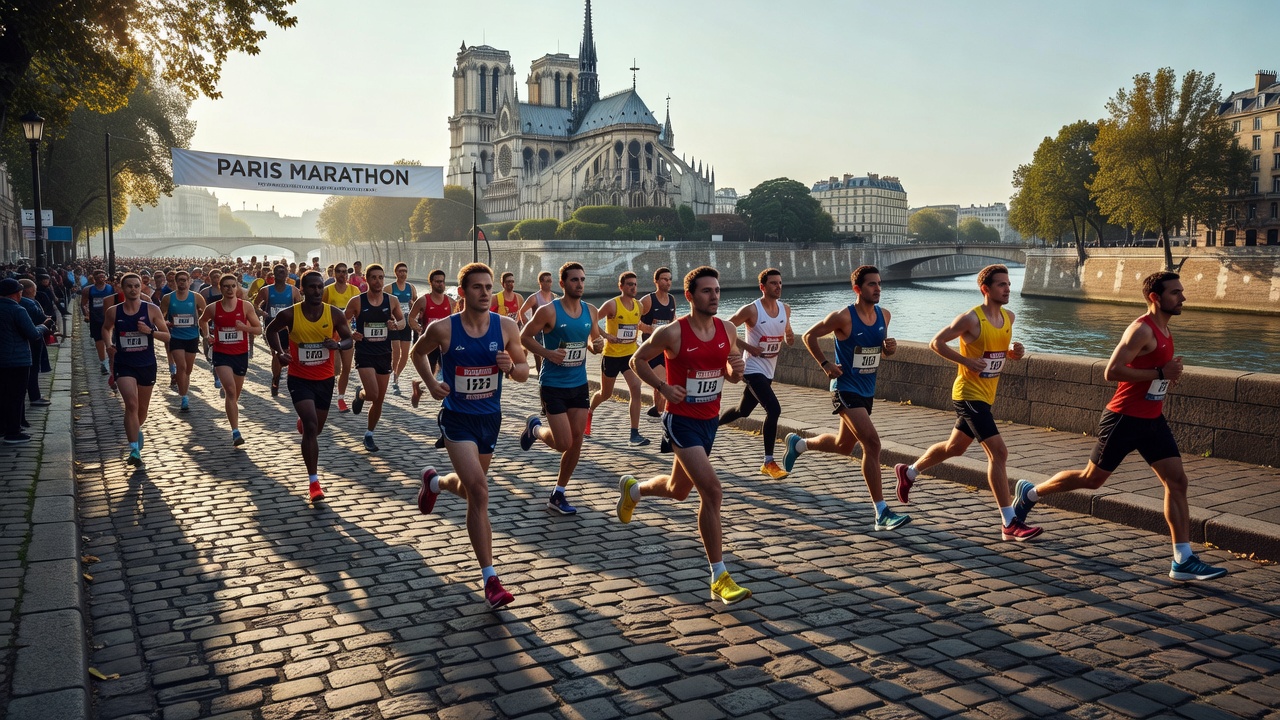
Crowd Energy Compared to Major U.S. Events
Paris crowds rivaled the energy of Boston or New York but felt more intimate, with locals cheering in French and offering impromptu high-fives. Unlike the booming music at U.S. marathons, the Seine-side atmosphere emphasized spontaneous chants and accordion players, creating a uniquely European vibe that lifted spirits during tough miles. The support felt organic and constant, especially in residential areas where families lined the barriers with signs and encouragement.
Nutrition Strategies That Delivered Results
My fueling plan centered on consistent carb intake every 45 minutes using gels and bananas from aid stations. I avoided new products and stuck to what worked in training. Hydration focused on electrolyte drinks to combat humidity along the river. Post-race, a balanced meal of protein and carbs aided quick recovery. For evidence-based guidance on endurance nutrition, runners can consult Mayo Clinic resources. I also carried two extra gels as backup and sipped water at every station after mile 10. This approach prevented the bonk I experienced in previous races and kept energy levels steady through the final 10K.
Post-Finish Reflections and Emotional High
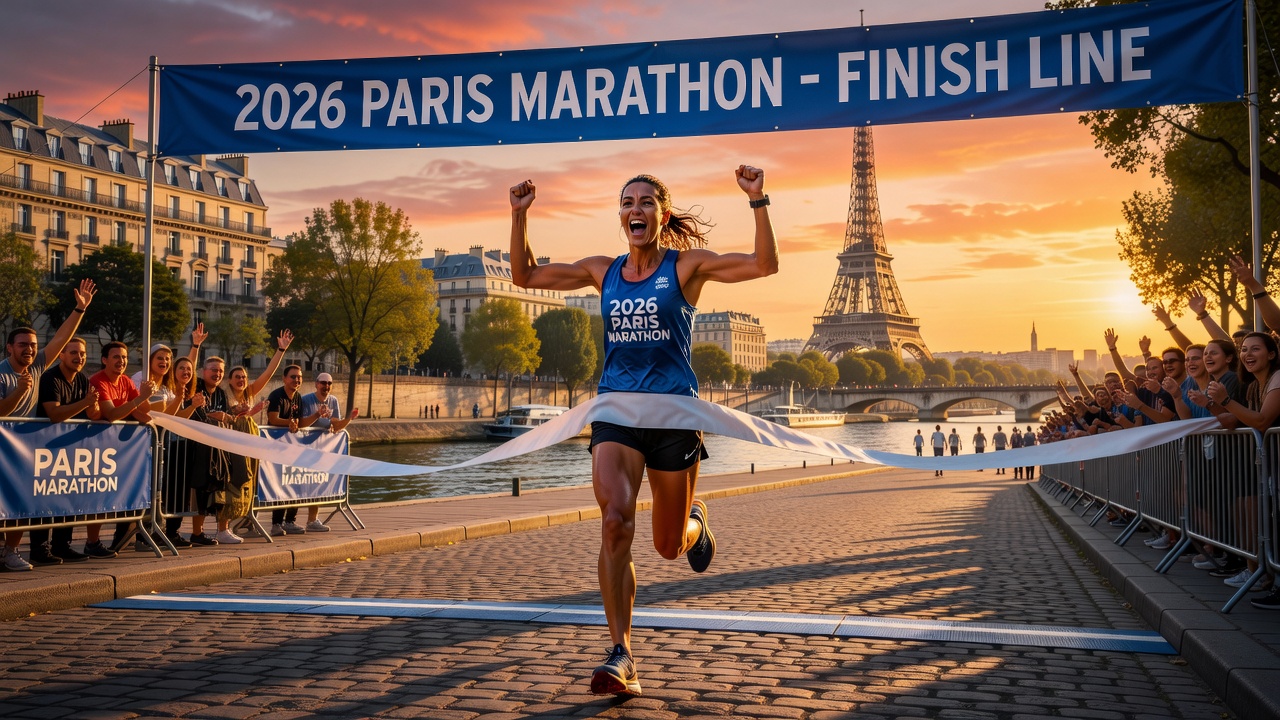
Crossing the finish line with the Seine sparkling nearby brought tears of joy. The personal triumph extended beyond time goals to the cultural immersion and resilience gained. Reflecting afterward, the race reinforced why international marathons create lasting memories. The mix of exhaustion and elation lingered for days, prompting deeper appreciation for the planning that made the day successful.
Actionable Tips for First-Time International Marathoners
- Arrive at least four days early to adjust to jet lag and explore the course on foot so you can visualize key turns and aid stations.
- Study cobblestone sections via virtual tours and practice stability exercises such as single-leg balances and resistance band work three times per week.
- Pack familiar nutrition to avoid stomach issues from unfamiliar aid station options and test every product during training runs.
- Learn basic French phrases for crowd interactions and directions to enhance the experience and ease navigation on race morning.
- Book recovery massages in advance near your hotel and schedule light walking tours instead of intense sightseeing immediately after the race.
Gear Checklist for the Paris Marathon
- Well-broken-in stability running shoes with extra cushioning to handle the varied surfaces and protect against impact on cobblestones.
- Lightweight, moisture-wicking layers for variable weather, including a disposable jacket for the cool start.
- Anti-chafe balm and blister prevention tape applied before the start and carried for mid-race touch-ups.
- Portable phone charger for tracking and photos, especially useful when navigating the city post-race.
- Small waist pack for gels and ID so hands remain free for high-fiving spectators.
FAQ: Common Questions on Pacing and Recovery
How should I pace the cobblestone sections?
Shorten your stride and keep cadence high to reduce impact. Walk brief sections if needed to preserve legs for later miles. Many runners find that focusing on quick feet rather than power helps maintain momentum without excessive strain.
What recovery timeline works best after an international marathon?
Plan 3-4 easy weeks with light cross-training. Prioritize sleep and protein-rich meals. Many runners return to full training after 6 weeks, per general guidelines from World Athletics. Gentle swimming or cycling can aid circulation without pounding the legs.
Is the Paris course more challenging than flat U.S. marathons?
The cobblestones and occasional slight inclines add difficulty, but the scenic rewards make it worthwhile for most participants. Compared to Chicago or Berlin, expect 10-15 percent more perceived effort on the uneven surfaces.
What mental strategies help during the middle miles?
Break the race into segments between landmarks and use the river views as reset points. Positive self-talk and gratitude for the opportunity to run in such a historic setting kept my mindset strong when fatigue peaked.
Conclusion: A Triumph Worth Repeating
The 2026 Paris Marathon along the Seine proved to be a deeply personal victory marked by resilience, cultural connection, and strategic preparation. Whether you're a first-timer or veteran, the lessons from this race can elevate your next international adventure. Lace up, embrace the journey, and discover your own Seine-side triumph. The combination of iconic scenery, unique challenges, and supportive atmosphere ensures this event remains a bucket-list favorite for runners worldwide.

No comments yet. Be the first!