 The Runner Story
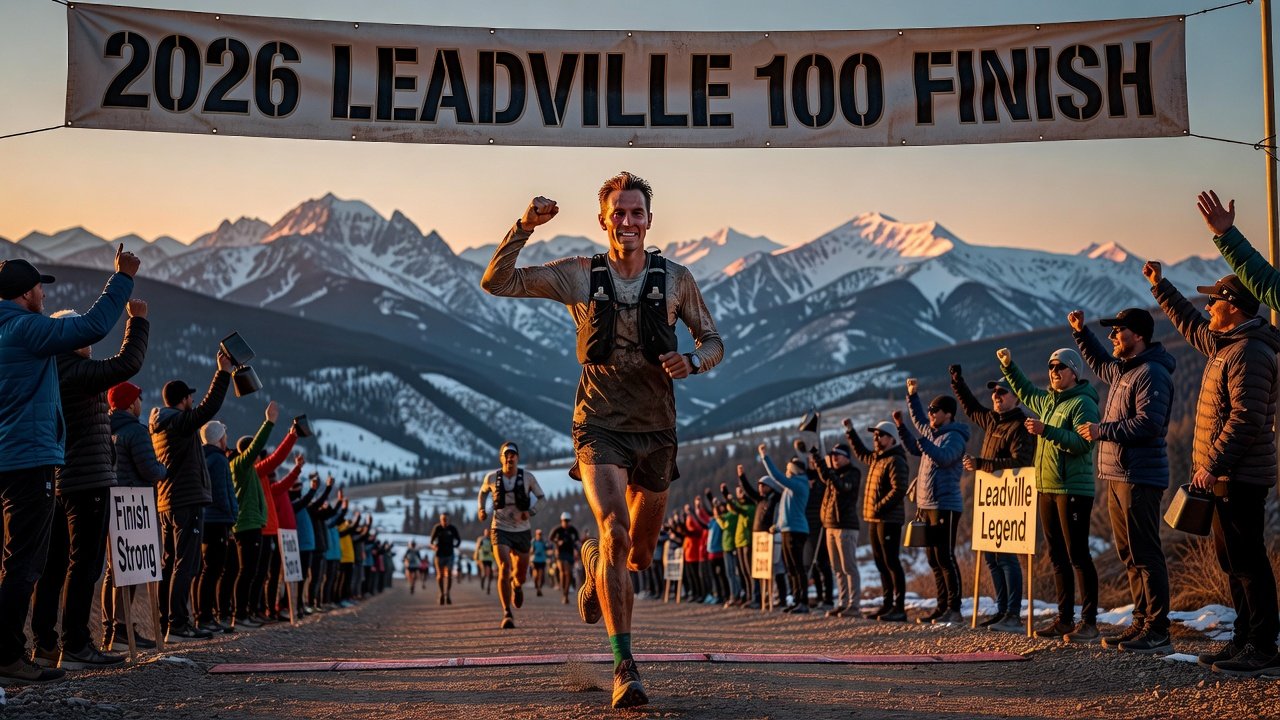
Introduction: Conquering the Leadville 100 in 2026
Finishing the Leadville 100 is a defining achievement for any endurance athlete. In 2026, I tackled this iconic 100-mile mountain ultra for the first time, navigating over 12,000 feet of elevation gain and the notorious high-altitude environment of the Colorado Rockies. This race recap blends my personal journey with practical insights for runners preparing for similar events. The Leadville 100, often called the "Race Across the Sky," tests every aspect of physical and mental endurance, from oxygen-deprived climbs to unpredictable weather. My goal was not just to finish but to learn strategies that could help others chasing their own 100-mile dreams.
Training Buildup for High-Altitude Success
Preparation began months earlier with a focus on building aerobic base while incorporating altitude simulation. Weekly mileage peaked at 70-80 miles, including long runs on technical trails and hill repeats. I incorporated specific sessions mimicking the race's 12,600-foot max elevation to prepare my body for reduced oxygen levels. Cross-training with cycling and strength work helped prevent injury during the buildup. For example, I spent weekends at 8,000-foot trailheads in the Front Range, practicing power hiking with poles and testing nutrition timing. A key lesson was gradually increasing time above 10,000 feet to build red blood cell efficiency. I also logged 20-mile back-to-back runs on similar terrain to simulate the cumulative fatigue of race day. This methodical approach paid off when the real event demanded sustained effort at elevation.
Pre-Race Logistics and Crew Strategy
Arriving in Leadville two days early allowed acclimatization. I stayed at a local cabin and took easy hikes to adjust. My crew of three friends handled pacing from mile 50 onward, carrying extra layers and supplies. We reviewed the course map multiple times, noting critical cutoffs at May Queen and Twin Lakes. Having a detailed crew plan reduced stress and let me focus solely on running.
Race Day Challenges: Elevation and Sleep Deprivation
The race started at 4 a.m. under cool conditions, but the real test came above treeline. At 12,000+ feet, breathing became labored even on flat sections. Sleep deprivation hit hard after mile 50, with hallucinations threatening focus during the night loop. Managing these factors required constant mental resets and crew support. Around mile 60, I experienced mild altitude sickness symptoms including headache and nausea, which I countered by slowing my pace and sipping ginger tea at aid stations. The temperature swung dramatically, forcing quick decisions on layering. By dawn on the second day, the combination of fatigue and thin air made every step feel monumental, yet pushing through built unexpected resilience.

Key Mile Splits and Pacing Strategies
My pacing differed sharply from sea-level marathons. Early miles stayed conservative at 10-12 minute pace to conserve energy for the climbs. Key splits included: May Queen (13.5 miles) in 2:45, Winfield (50 miles) in 9:50, and the final push to the finish in just under 29 hours. Compared to flat marathons where even pacing works best, here I used a run-walk strategy on ascents and aggressive downhill recovery. For instance, on the Hope Pass climb I power-hiked at 20-minute miles while monitoring heart rate to stay under 150 bpm. This approach prevented early burnout and allowed strong finishes on the return leg. Runners coming from sea-level events often make the mistake of starting too fast; my data showed that holding back in the first 30 miles saved critical energy for the night section.
Lessons on Nutrition and Gear
Nutrition proved critical. I relied on a mix of gels, real food like potatoes, and electrolyte drinks, consuming 60-80 grams of carbs per hour. Gear choices included lightweight trail shoes with aggressive lugs and a hydration vest with 2-liter capacity. Lessons learned: Test everything in training and pack layers for temperature swings from 30°F nights to 70°F days. I avoided new items on race day, which prevented blisters and stomach issues. Additional tips include rotating between sweet and savory options to combat flavor fatigue and using caffeine strategically after mile 70. My crew prepped drop bags with spare socks, anti-chafe balm, and headlamp backups, proving invaluable at remote aid stations.
- Always carry backup headlamp batteries
- Use trekking poles on steep climbs after mile 40
- Monitor sodium intake to avoid cramping
- Change socks at aid stations to prevent blisters
- Practice pole technique on training hills to build upper-body endurance
- Carry a small notebook for mental notes during low points
Emotional Finish-Line Moments
Crossing the line at 6th Street in Leadville brought tears of relief and pride. The roar of the crowd and the medal presentation capped an unforgettable journey of resilience. My family waited at the finish, and sharing the moment with them reinforced why these races matter beyond the clock. The sense of community among runners who had battled the same mountains created an instant bond.
Comparisons to Sea-Level Marathons
Unlike sea-level events where pace is king, Leadville demands adaptability. Elevation multiplies perceived effort, making heart rate monitoring essential rather than GPS pace alone. Recovery took longer due to altitude stress. In a typical marathon I might run even splits, but here variable pacing based on terrain preserved legs for the final 20 miles. The mental game also shifts: sea-level races allow distraction through scenery, while Leadville forces constant internal dialogue to stay present.
FAQ: Qualifying and Recovery
How do I qualify for the Leadville 100?
Qualifying requires completing a sanctioned 50-mile or 100K race within time limits. Check the official site for current standards.
What is the best recovery approach post-race?
Focus on sleep, gentle walking, and protein-rich nutrition in the first 48 hours. Many runners take 4-6 weeks before resuming hard training.
Are there medical concerns unique to high altitude?
Yes, monitor for acute mountain sickness. Descend if symptoms worsen, and consult resources from organizations like CDC before attempting the race.
Conclusion: Takeaways for 2026 Aspirants
The Leadville 100 taught me that success comes from preparation, adaptability, and mental toughness. For future runners, prioritize altitude-specific training and listen to your body throughout the event. Resources like Runner's World and Leadville Trail 100 offer valuable guidance for planning your attempt. Embrace the process and the mountains will reward your effort.

No comments yet. Be the first!