 The Runner Story
Crossing the Eternal City: My 2026 Rome Marathon Journey
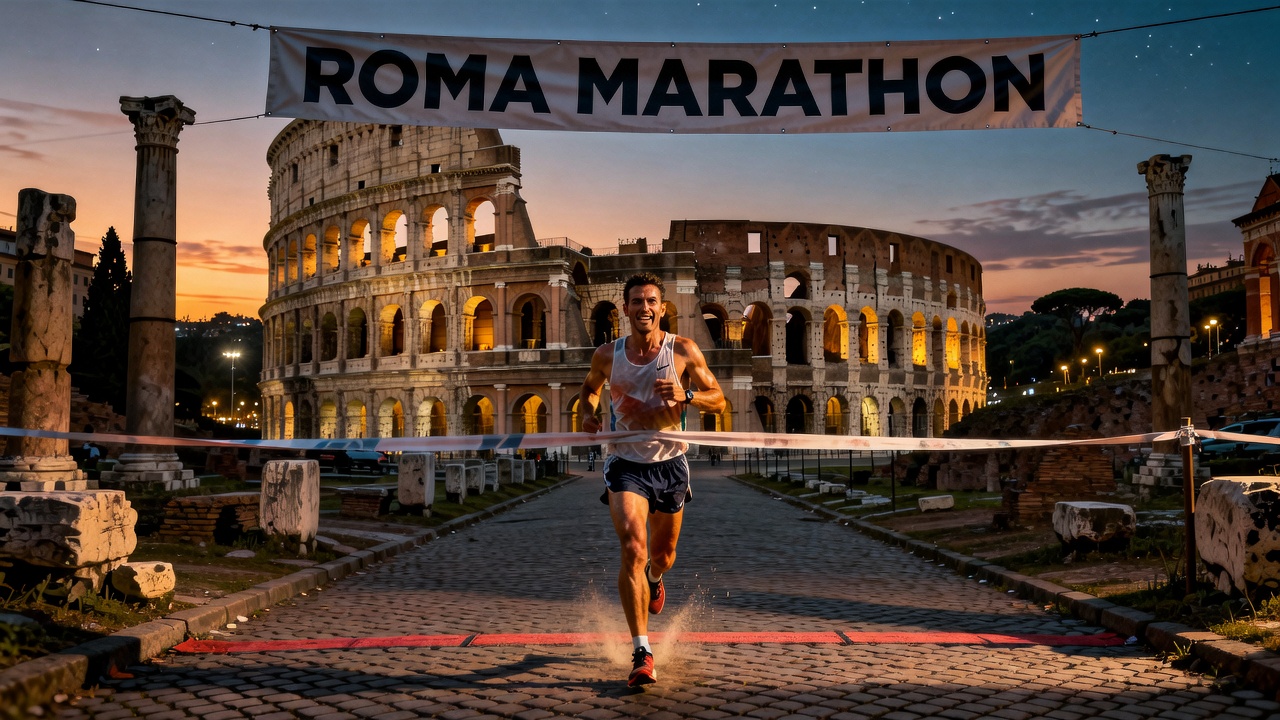
Finishing the 2026 Rome Marathon felt like stepping through history itself. The route wound past the Colosseum, along the Tiber River, and through iconic neighborhoods that made every kilometer unforgettable. As a runner who has tackled several European marathons, this one stood out for its blend of challenge and wonder. In this recap, I share the full experience, from pre-race preparations to recovery, with practical takeaways for anyone eyeing a historic course. The unique atmosphere of racing through ancient ruins while pushing personal limits created a day I will never forget, blending athletic achievement with cultural immersion in ways few other events can match.
Pre-Race Logistics in Rome
Arriving in Rome three days before the race allowed time to acclimate and handle packet pickup at the expo near the Olympic Stadium. The city buzzed with energy, and I spent the days walking lightly to loosen up while avoiding overexertion on uneven sidewalks. Hotels near the start line in the city center proved convenient, though I booked early to secure a quiet room for rest. Weather forecasts indicated mild spring conditions, but I prepared for potential warmth with light, breathable gear. Navigating the metro system with my race bib helped avoid last-minute stress, and I recommend downloading offline maps in advance. The expo itself offered ample opportunities to test local nutrition products and chat with fellow international runners about course-specific advice.
Training Adjustments for Cobblestone Terrain and Heat
Rome’s ancient streets demand specific preparation. I incorporated hill repeats on paved trails and short runs on uneven gravel to simulate cobblestones. Strength work targeting ankles and calves became essential twice weekly, including single-leg squats and resistance band exercises that built stability. For heat management, I practiced runs during the warmest part of the day back home, focusing on early hydration and cooling towels. These adjustments paid off when temperatures climbed mid-race. One example workout involved 8 x 400m repeats on a gravel path at 5K effort with full recovery jogs, which directly translated to better handling of the irregular surfaces around the Foro Italico area. I also experimented with electrolyte tablets during long runs exceeding 18 miles to mimic race-day conditions and prevent cramping from the combination of heat and uneven footing.
Standout Moments: The Colosseum and Vatican
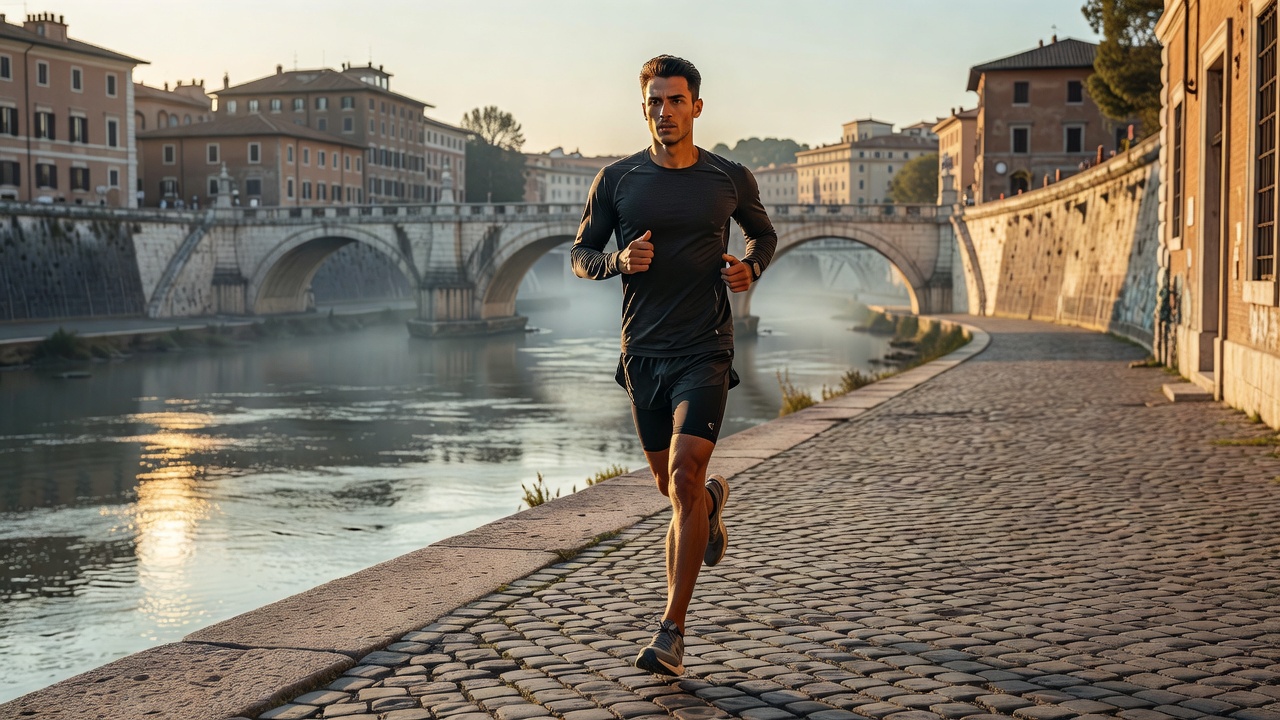
The roar of the crowd at the Colosseum around kilometer 8 lifted my spirits instantly. Later, passing St. Peter’s Basilica near the halfway point provided a powerful mental boost. These landmarks turned the race into a moving tour rather than just a time trial. Additional highlights included the steady flow of the Tiber River on the return leg, where the gentle breeze offered brief relief, and the cheering sections near Piazza Navona that reminded me why I chose this event. The visual spectacle kept my mind engaged even as legs grew heavy.
Nutrition and Pacing Decisions
I stuck to a conservative start, aiming for even splits after the first 5K. Gels every 45 minutes paired with water at aid stations kept energy steady. Avoiding the temptation to surge early helped me maintain pace through the final 10K when fatigue set in. My fueling plan included a mix of caffeinated and non-caffeinated gels, consumed with small sips of sports drink provided at every third station. Pacing involved checking my watch at each kilometer marker and adjusting effort on the slight inclines near the Vatican. This approach resulted in a negative split for the second half, a strategy I refined through several tempo runs on rolling terrain beforehand. Runners new to historic courses should practice similar conservative pacing to account for the mental distraction of the scenery.
Mental Resilience During the Later Miles
The true test came after kilometer 30 when the cobblestones and accumulating heat began to wear on both body and mind. I relied on a mantra focused on one landmark at a time, breaking the remaining distance into manageable segments. Drawing strength from the cheering locals and the sight of ancient walls helped push through the toughest stretches along the river. Visualization techniques practiced during training, such as imagining crossing the finish line under the Arch of Constantine, proved invaluable. Many runners underestimate how the combination of physical discomfort and historical surroundings can either motivate or distract; staying present with each footfall made the difference.
Comparison to Flatter Marathons
Unlike the pancake-flat courses of Berlin or Chicago, Rome’s rolling terrain and cobblestones add roughly 5-8 minutes to typical finishing times for most runners. The visual rewards make up for the extra effort, but expect more quad fatigue than on smoother routes. For instance, my Berlin marathon the previous year felt mechanically easier on the legs despite similar training, while Rome demanded greater focus on form to avoid rolling ankles. Runners coming from flat events should add specific strength sessions and consider slightly slower target times when planning for Rome. The payoff in memories and photos far outweighs the added difficulty, making it a favorite for those seeking an unforgettable experience over a pure time goal.
Recovery Insights
Post-race, I prioritized immediate walking to flush legs, followed by gentle stretching and protein-rich meals. Light sightseeing the next day kept me moving without strain, and I returned home with a renewed appreciation for varied training surfaces. Foam rolling the calves and quads twice daily for the first week helped reduce soreness, while incorporating easy swims and bike rides maintained fitness without impact. Nutrition focused on anti-inflammatory foods like cherries and turmeric helped speed the process. Tracking sleep and hydration in the days after proved just as important as the race itself for full recovery within two weeks.
FAQ: Spectator Tips and Gear for Historic Courses
- Where should spectators stand? Key spots include the Colosseum area and bridges over the Tiber for easy access and atmosphere.
- What gear works best? Cushioned shoes with good grip handle cobblestones; moisture-wicking socks prevent blisters on long historic routes.
- How do I manage crowds? Arrive early at start corrals and use public transport apps for post-race travel.
- Are there specific spectator strategies? Position yourself at multiple points using the efficient Rome metro and carry a portable charger for live tracking apps.
- What should runners pack for variable weather? A light arm sleeve for sun protection and a small packable jacket if forecasts shift unexpectedly.
Final Reflections
The 2026 Rome Marathon delivered a personal triumph that combined athletic achievement with cultural immersion. For runners seeking more than a PR, this race offers memories that last far beyond the finish line. Consider adding it to your bucket list for an experience that truly runs through history. For more marathon insights, check Runner’s World and World Athletics.
No comments yet. Be the first!