 The Runner Story

Introduction: When Music Meets the Miles
In 2026, runners across the globe continue searching for sustainable ways to stay motivated during long training cycles. This case study follows a professional musician whose unique approach to running transformed a standard fitness routine into a deeply creative practice. By treating musical rhythm and tempo as core elements of every workout, the artist discovered new levels of consistency and enjoyment. Readers looking for runner stories that blend artistic passions with endurance building will find detailed examples, practical strategies, and real-world applications throughout this article. The journey highlights how syncing beats to strides helped overcome plateaus, fueled album creation, and turned race days into extensions of live performance energy.
The Power of Rhythm in Endurance Running
Music's natural pulse aligns closely with human biomechanics, creating an almost instinctive connection between sound and movement. Research from institutions like the National Institutes of Health supports the idea that rhythmic auditory cues can improve gait efficiency and reduce perceived exertion during prolonged activity. For the musician featured here, every training session became a live performance where footfalls served as percussion. This mindset shift reduced mental resistance to early morning runs and helped maintain higher weekly mileage without the usual signs of fatigue or disinterest. Over several months, the runner noticed measurable improvements in both pace consistency and overall enjoyment, turning what began as a simple health goal into an integral part of artistic life.
Syncing Playlists to Training Runs
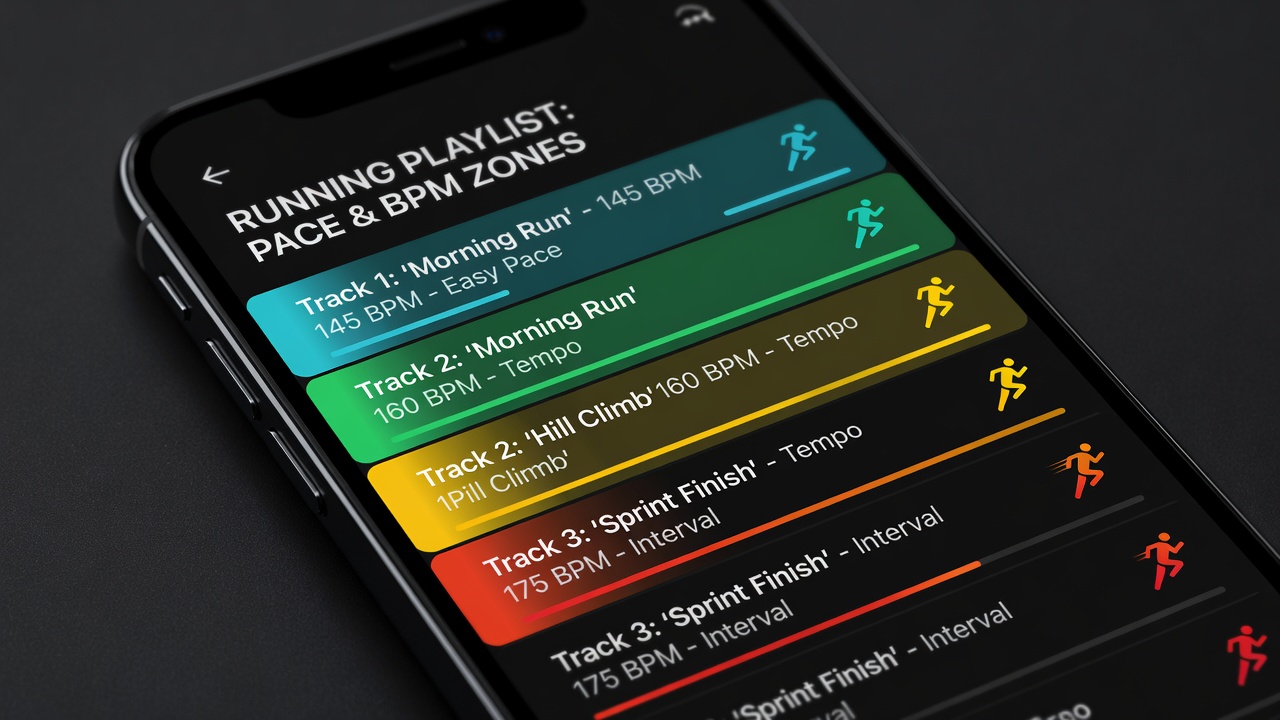
Effective playlist construction starts with understanding how tempo influences stride rate. The musician used a basic metronome app to measure natural cadence on easy days, then built libraries organized by beats per minute. Recovery runs stayed in the 110-125 BPM range to encourage relaxed form, while interval sessions climbed to 150-165 BPM to match faster turnover. Real examples of song-to-pace mapping proved especially useful: a steady 128 BPM electronic track supported long runs at approximately 9:30 per mile, while 155 BPM rock tracks powered tempo efforts targeting 7:30 pace. These deliberate pairings created natural surges of energy that mirrored the structure of structured workouts, leading to better pacing discipline and fewer mental drop-offs during the final miles of long runs.
Overcoming Creative Burnout Through Movement
Creative professionals often struggle with mental fatigue that can stall both songwriting and performance preparation. In this musician's experience, daily movement served as a reliable reset button. After runs set to carefully chosen rhythms, ideas for new melodies and lyrics surfaced more readily during subsequent studio sessions. The increased blood flow and endorphin release appeared to clear mental blocks that hours of sitting at a desk could not. Readers facing similar creative hurdles can experiment by scheduling short, rhythm-focused runs immediately before dedicated creative blocks. This simple timing adjustment often produces noticeable shifts in idea generation and emotional resilience.
Milestone Races Tied to Album Releases
Pairing competitive events with professional deadlines added meaningful accountability. The musician registered for a half marathon scheduled two weeks before a major album launch, using the structured training period as both physical preparation and mental rehearsal for stage demands. Crossing the finish line delivered a sense of completion comparable to wrapping a recording project, reinforcing the connection between physical achievement and artistic output. This strategic alignment helped maintain focus during the most demanding weeks of both training and production schedules.
Stage Performance Energy vs Race-Day Adrenaline
Live performances and race starts share striking similarities in physiological demand. Both require sustained energy output under pressure, controlled breathing, and the ability to draw motivation from external rhythms—whether crowd noise or cheering spectators. The musician observed that pre-show warm-up routines translated directly to pre-race rituals, while the final push toward a stage encore felt similar to the last mile of a race. Recognizing these parallels reframed race-day nerves as familiar performance excitement rather than debilitating anxiety, allowing for stronger finishes and quicker recovery between events.
Step-by-Step Playlist Creation Tips
- Measure your current easy-run cadence in steps per minute using a simple phone app or foot pod.
- Select tracks within 5 BPM of your target stride rate to encourage natural synchronization.
- Organize separate playlists for warm-ups, main workout segments, and cool-down periods.
- Test every song during actual runs and remove any tracks that disrupt flow or feel mismatched.
- Include one or two emotionally charged anthems positioned for the toughest portions of long efforts.
- Review and refresh playlists monthly to prevent auditory fatigue and maintain novelty.
Following these steps helped the musician sustain motivation across an entire training cycle that included multiple goal races and busy recording periods.
Common Mistakes to Avoid When Blending Music and Running
Many runners new to tempo-based training make avoidable errors. Overloading playlists with tracks that vary too widely in BPM can break rhythm and increase mental effort. Ignoring volume levels may lead to hearing safety concerns, especially on busy roads. Another frequent issue involves choosing songs solely for lyrical content rather than tempo match, which often results in inconsistent pacing. The musician learned to prioritize measurable beat alignment first, then layer in favorite artists, producing more reliable results over time.
Real-World Training Week Example
A typical week for this runner included a Monday recovery run with 115 BPM tracks, a Wednesday interval session featuring 155 BPM selections, and a long Saturday effort supported by a carefully sequenced 130 BPM playlist. Each day ended with brief notes on how the music influenced perceived effort and pace accuracy. This documentation revealed patterns that guided future playlist refinements and helped maintain steady progress toward race goals.
Short FAQ: Integrating Hobbies Into Running Habits
How do I start syncing music with runs if I'm new to both?
Begin with one 20-minute easy run per week using a simple playlist at 120-130 BPM. Gradually increase duration and refine tempo matching as comfort grows.
Can non-musicians benefit from rhythm-based running?
Yes. Focus on consistent beats rather than musical theory. Several free apps automatically match BPM to current pace for beginners.
What if my favorite songs don't match my running cadence?
Use half-time listening modes or edit playlists to include only suitable tracks for specific workout goals while saving favorites for post-run listening.
How often should playlists be updated?
Refreshing selections every four to six weeks prevents boredom and keeps the motivational effect strong throughout a training season.
Conclusion: Rhythm as Sustainable Fuel
This musician's 2026 journey demonstrates that blending creative passions with running habits creates lasting motivation and measurable fitness gains. By treating every stride as part of a larger rhythmic structure, endurance training becomes an extension of artistic expression rather than a separate obligation. Start with small experiments in tempo matching, track your responses, and allow music to carry you toward consistent progress and personal milestones.


No comments yet. Be the first!