 The Runner Story

From Couch to Campus Paths: One Student's Running Transformation
College life often means long study sessions, late nights, and little movement. For many students, the shift from inactivity to regular running starts with a simple decision to prioritize health. This story follows Alex, a sophomore juggling engineering classes and a part-time job, who went from zero runs to completing a 5K in four months. The journey highlights how running motivation grows when tied to real-life pressures rather than abstract goals. Alex initially spent most days seated in lectures or hunched over laptops, leading to low energy and poor sleep. The turning point came during a particularly stressful midterm week when a short walk around the quad sparked curiosity about adding short jog intervals. Within weeks, those intervals became the foundation of a sustainable routine that improved both academic performance and overall mood.
Academic demands can make fitness feel impossible. Alex began by acknowledging that even 20-minute runs offered mental clarity better than scrolling through social media. Research from the World Health Organization shows regular physical activity improves focus and reduces stress, benefits every student needs during exam season. Students like Alex quickly discover that running does not require expensive equipment or perfect conditions—just the willingness to start small and build gradually.
Overcoming Time Constraints as a Busy Student
Time is the biggest barrier for student runners. Alex mapped out a weekly schedule that fit runs between lectures and lab work. Early morning campus loops became the default because afternoons were packed. The key was treating runs like non-negotiable appointments rather than optional extras. Many students underestimate how fragmented their days already are, but blocking 25-40 minutes three times weekly proved manageable once the habit formed. Alex used phone reminders and paired runs with existing routines, such as heading straight to the path after morning classes.
Practical strategies include waking 30 minutes earlier twice a week and using lunch breaks for brisk walks that evolve into runs. Students who succeed often batch tasks, such as listening to lecture recordings while on easy recovery runs. This approach turns limited time into consistent training without sacrificing grades. During finals periods, Alex shortened sessions to 15 minutes but maintained frequency to preserve momentum. The result was steadier energy levels and fewer all-nighters.
Mental Barriers and Building Lasting Running Motivation
Starting from a sedentary lifestyle brings self-doubt. Alex battled thoughts like “I’m too slow” or “Everyone will stare.” The breakthrough came from reframing runs as personal experiments rather than performances. Progress tracking helped: noting how breathing felt easier after two weeks built confidence. Alex also learned to celebrate non-scale victories, such as finishing a loop without stopping or noticing better posture during long study sessions. These small wins compound quickly and reinforce motivation far more effectively than external comparisons.
Mindset shifts matter more than speed. Alex joined a campus running club for accountability, discovering that shared stories of struggle normalized the process. Community support transforms isolated efforts into sustainable habits, especially when motivation dips during midterms. Hearing upperclassmen describe their own slow starts removed the pressure to be perfect immediately. Over time, running became a reliable outlet for processing academic stress rather than another obligation.
Tracking Progress: Tools That Keep Students Accountable
Simple metrics prevent discouragement. Alex used a free phone app to log distance, pace, and how runs felt on a 1-10 scale. Weekly reviews showed patterns, such as better energy after rest days. Visual charts on the app turned small wins into visible proof of improvement. Alex also kept a simple notebook for qualitative notes, recording how runs affected sleep quality and concentration during afternoon labs. This dual tracking method provided both data and personal insight.
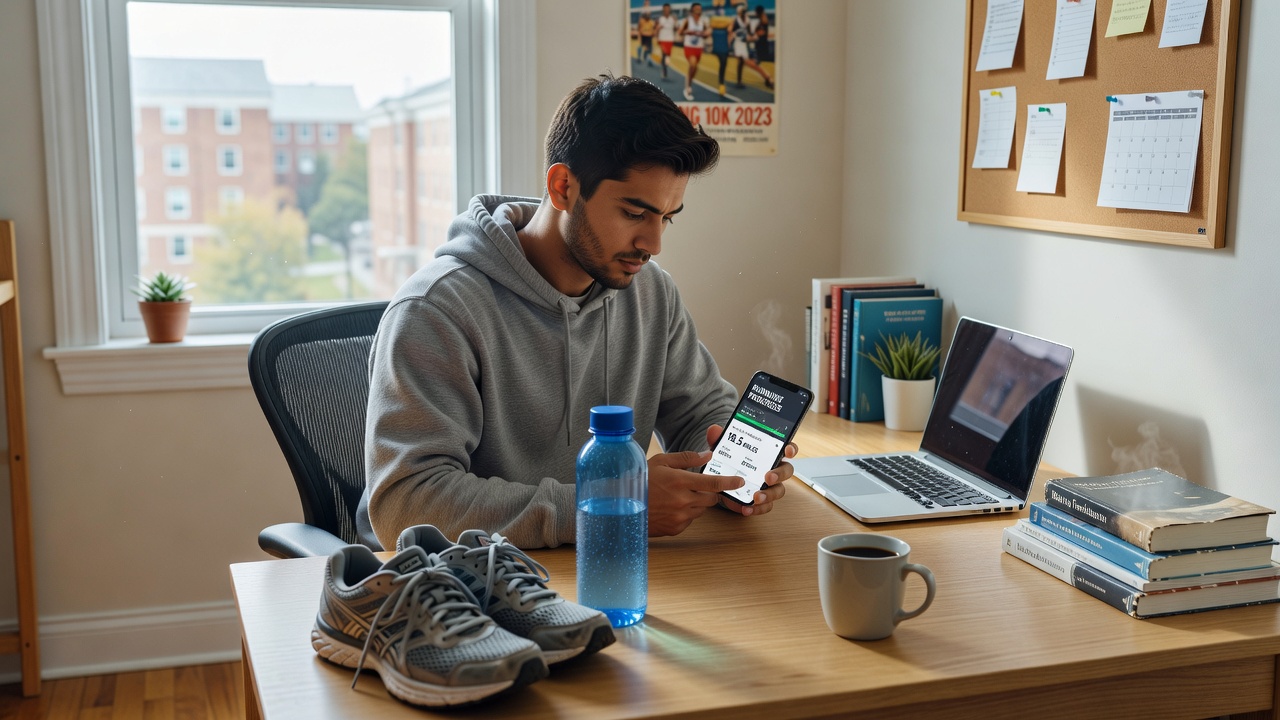
Long-term benefits extend beyond the track. Consistent runners report better sleep, sharper memory, and reduced anxiety—advantages that directly support academic success. Alex noticed improved focus during lectures after adopting a three-run-per-week schedule. The habit also encouraged better time management overall, as the structure of training spilled into study routines.
Nutrition and Recovery for Student Runners
Running motivation stays high when the body feels supported. Alex focused on simple, affordable nutrition changes such as adding protein-rich snacks between classes and staying hydrated throughout the day. Recovery involved prioritizing seven to eight hours of sleep and incorporating light stretching after each run. These habits prevented burnout and reduced soreness that could have derailed early progress. Students often overlook recovery, yet consistent sleep and balanced meals directly influence energy for both running and studying.
Step-by-Step Beginner Training Plan Example
Here is the exact plan Alex followed, designed for complete beginners with limited time:
- Week 1-2: Three 20-minute brisk walks, mixing in 1-minute jog intervals. Focus on consistency over distance. Alex started on flat campus paths to build confidence.
- Week 3-4: Replace one walk with a 25-minute run/walk session (2 minutes run, 3 minutes walk). Add core strength exercises twice weekly using bodyweight moves like planks and squats.
- Week 5-6: Two 30-minute runs and one longer 40-minute endurance session. Include one hill or stairs workout on campus. Alex tracked heart rate informally by noting breathing ease.
- Week 7-8: Build to three 35-minute runs. Test a 5K distance at comfortable pace. Rest days included gentle yoga or walking to active recovery.
Rest or cross-train (cycling, swimming) on non-running days. Adjust based on energy levels during exam weeks. The plan emphasizes gradual increases to minimize injury risk while building both aerobic base and mental resilience.
Campus Runs vs. Gym Workouts: Which Works Better?
Campus routes offer fresh air, changing scenery, and zero cost. Alex preferred outdoor runs for vitamin D and mental reset between classes. However, gym treadmills provide controlled conditions during bad weather or late nights. Many students find that mixing both environments prevents boredom and adapts to unpredictable schedules.
Comparison points: Outdoor running builds mental toughness and natural terrain adaptation, while gym sessions allow precise pace control and easy access to strength equipment. Alex combined both—campus runs three days and gym intervals once a week—for balanced development and injury prevention. The choice ultimately depends on weather, safety, and personal preference, but variety keeps motivation higher over months.
Common Mistakes to Avoid
Many beginners quit because they increase mileage too quickly or skip rest days. Alex learned early to listen to minor aches rather than pushing through them. Another frequent error is comparing progress to experienced runners on social media. Focusing on personal metrics instead helped Alex stay consistent. Finally, neglecting strength training can lead to imbalances; adding two short sessions weekly made a noticeable difference in stability and speed.
FAQ: Common Student Concerns About Starting to Run
- How do I start if I’ve never run before? Begin with run/walk intervals and focus on time rather than distance. Consistency beats intensity in the first month.
- What if I have no running friends? Campus clubs and apps with social features provide community. Many universities offer beginner running groups through recreation centers.
- Can running hurt my grades? Evidence suggests the opposite. Better mood and focus from exercise often improve study efficiency, freeing more time overall.
- How do I stay motivated during finals? Set micro-goals like “run three times this week regardless of pace” and celebrate completion with non-food rewards.
- Should I buy expensive gear right away? Start with supportive shoes from a local running store and basic athletic wear. Upgrades can come later once the habit sticks.
- What about running in bad weather? Have indoor alternatives ready, such as treadmill sessions or bodyweight circuits, to maintain consistency without excuses.
Long-Term Benefits and Sustaining the Journey
Running becomes more than fitness when it supports overall well-being. Alex now runs year-round, using the habit as stress relief during internships and job searches. The fitness journey builds resilience that transfers to every area of student life. Community connections formed on campus runs often last beyond graduation, creating a support network for lifelong health. Many former students credit their early running routines with developing discipline that helped in careers and graduate studies.
Whether you’re a freshman or nearing graduation, the path from sedentary to runner starts with one small decision today. Track your first week, find your people, and let motivation grow from visible progress rather than perfection. The benefits compound far beyond any single semester, turning a simple fitness habit into a lifelong advantage.


No comments yet. Be the first!