 The Runner Story
Introduction to Smart Running Shoes in 2026
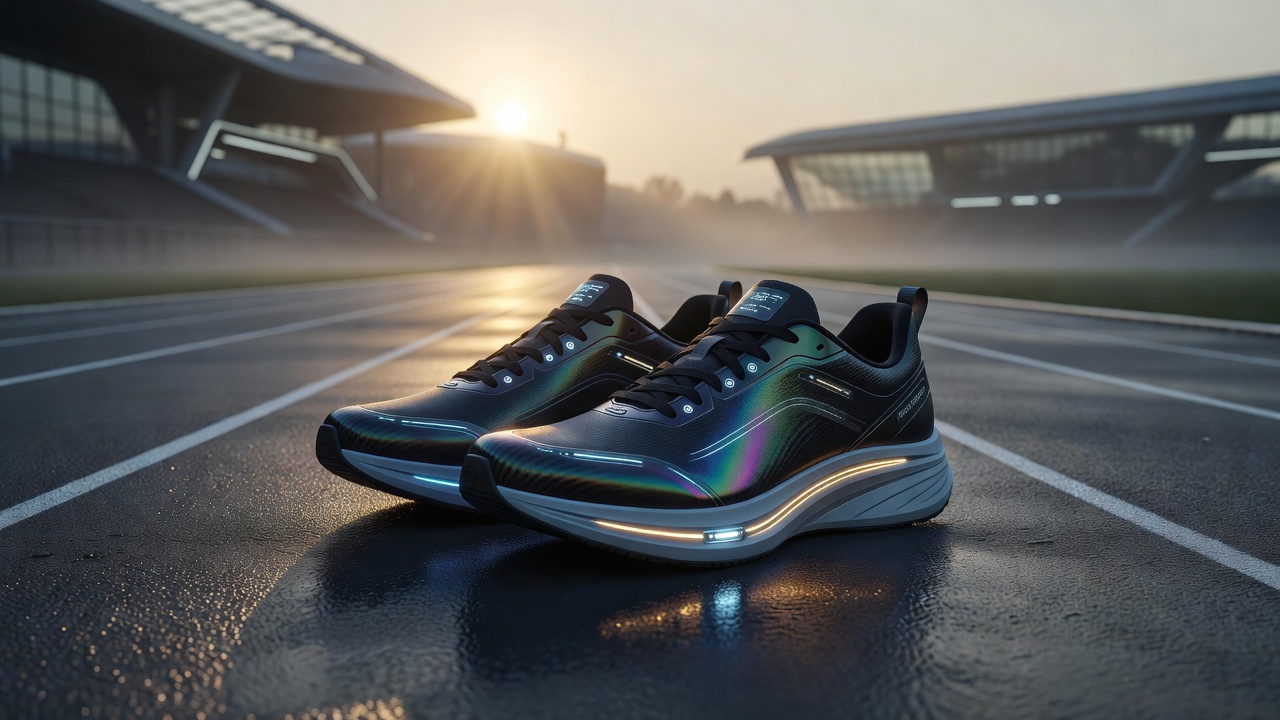
Tech-savvy runners in 2026 are moving beyond traditional cushioning and stability features to embrace shoes embedded with sensors, accelerometers, and seamless app connectivity. These devices deliver real-time performance data including pace, stride length, ground contact time, and GPS routes directly to smartphones or wearables. This evolution supports athletes who want quantifiable insights to refine training and prevent injury. As running technology matures, smart footwear bridges the gap between basic athletic gear and sophisticated training tools, offering metrics once reserved for laboratory analysis. Runners seeking an edge now evaluate not only fit and cushioning but also data accuracy, battery endurance, and ecosystem compatibility. The market has responded with models that maintain a natural feel while capturing detailed biomechanical information during every stride.
Key Technologies Driving Smart Footwear
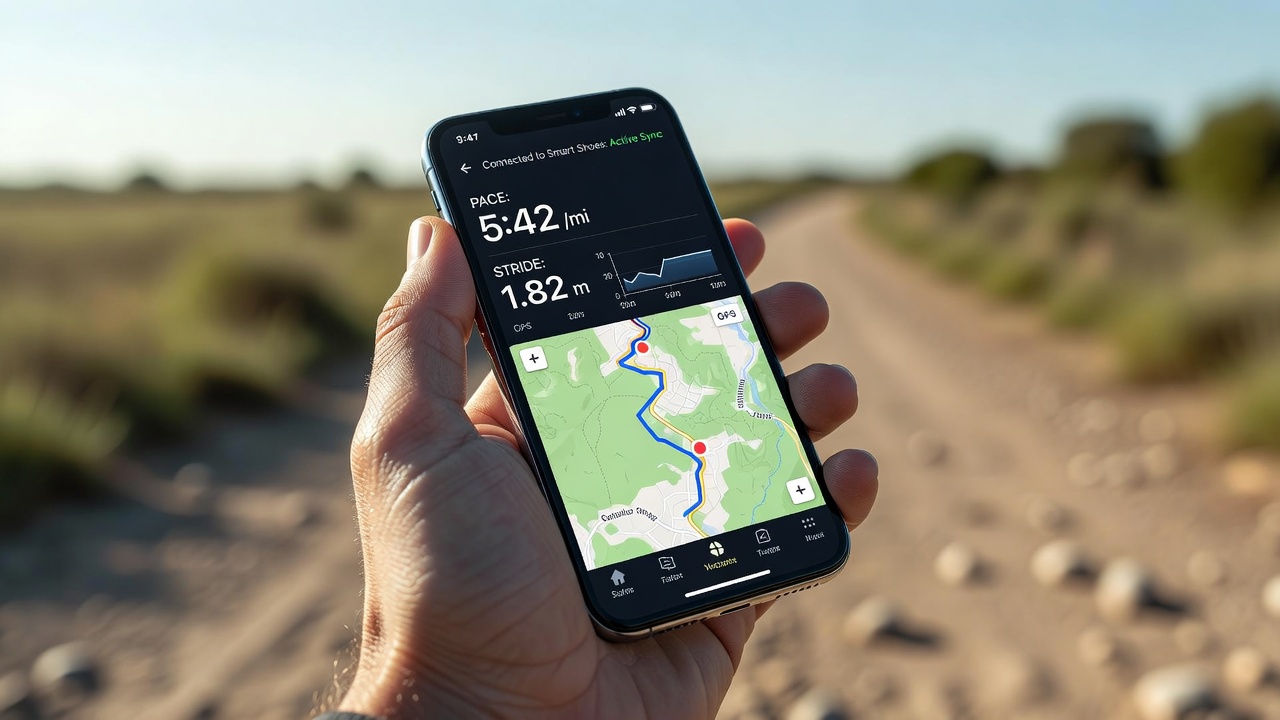
Modern smart running shoes integrate flexible pressure sensors, gyroscopes, and Bluetooth modules that sync with companion apps. GPS functionality in select models provides route mapping without needing a separate watch. Pace analytics break down splits, cadence trends, and efficiency scores, helping runners optimize form during long runs or interval sessions. Additional sensors track vertical oscillation and foot strike patterns, generating heatmaps that reveal imbalances. These insights allow athletes to adjust technique mid-workout or review sessions later for progressive overload planning. Battery systems rely on compact lithium-polymer cells that recharge wirelessly in many designs, minimizing downtime between training blocks.
Integration with popular wearables such as heart-rate monitors and GPS watches allows data to flow into unified dashboards. For example, a runner can start a workout on their watch, and shoe-captured metrics automatically populate the same session log. This interoperability reduces the need to carry multiple devices and creates richer datasets for coaches or personal analysis. Advanced models also feature machine-learning algorithms that suggest form corrections based on historical trends stored in the cloud.
Top Models and Their Features
Several leading brands released updated smart models this year. These shoes emphasize low-profile electronics that maintain natural running feel while offering advanced tracking. Real-world tests highlight models that balance sensor accuracy with lightweight construction suitable for daily training and race days. Features such as automatic activity detection, customizable alert thresholds, and multi-device pairing distinguish premium options from entry-level versions. Users appreciate models that automatically calibrate after the first few runs, eliminating manual setup steps.
Durability and Real-World Testing
Independent lab and field tests conducted throughout early 2026 evaluated how embedded components hold up after 300–500 miles of use. Sensor housings proved resistant to moisture and repeated impact, though battery degradation became noticeable after six months of heavy training. Runners reported consistent data quality even on trails with variable terrain. Tests included repeated wash cycles, extreme temperature exposure, and high-mileage road running. One notable finding showed that reinforced wiring pathways prevented common failure points seen in earlier generations. Athletes who logged over 400 miles noted only minor drift in pressure readings, easily corrected through app recalibration routines.
Comparing Smart Shoes vs Traditional Options
Traditional running shoes focus solely on foam, drop, and fit. Smart models add layers of insight but may carry a slight weight penalty. In head-to-head tests, data-driven runners improved cadence by an average of 4–6 steps per minute when using live feedback, whereas non-smart shoes left athletes relying on subjective feel alone. The following list outlines key differences:
- Data Depth: Smart shoes provide stride-by-stride metrics; traditional shoes offer none.
- Weight: Smart versions add 20–40 grams per shoe due to electronics.
- Cost Structure: Higher upfront investment for smart features, offset by potential injury prevention savings.
- Maintenance: Requires occasional firmware updates and battery care absent in conventional footwear.
Many runners find the trade-off worthwhile when training for specific goals such as marathon qualification or injury recovery.
Integration Tips with Wearables and Apps
Pairing smart shoes with existing devices is straightforward. Enable Bluetooth on your phone or watch, open the brand app, and follow the calibration walk. Once synced, data exports easily to platforms like Strava for deeper analysis. Many users create custom dashboards that combine shoe metrics with heart-rate variability to spot overtraining early. Step-by-step guidance includes updating all device firmware first, ensuring location permissions are granted for GPS models, and testing connectivity on a short run before committing to long sessions. Troubleshooting common issues such as dropped connections often resolves by restarting the app or re-pairing the shoes.
Practical App Usage Examples
During a tempo run, the app displays live pace zones and alerts when form breaks down. Post-run, users review heatmaps of pressure distribution across the foot, identifying imbalances that may contribute to knee pain. Weekly summaries highlight trends such as improving ground contact time, guiding adjustments to strength routines. Another scenario involves trail runners using elevation-adjusted pace analytics to maintain effort on technical descents. Marathon trainees often export session files to analyze how shoe data correlates with nutrition timing and perceived exertion ratings logged separately.
Buying Considerations: Battery Life and Maintenance
Battery life remains a primary decision factor. Most 2026 models offer 20–30 hours of active tracking before recharging via a magnetic port. Runners who train daily should consider models with replaceable battery modules. Always check firmware updates through the app to maintain sensor calibration accuracy. Additional factors include waterproof ratings for wet-weather training, compatibility with orthotic inserts, and warranty coverage for electronic components. Shoppers are advised to read user forums for real-world battery performance reports before purchase.
Mistakes to Avoid When Adopting Smart Shoes
New users sometimes over-rely on data and ignore bodily signals, leading to ignored fatigue. Others neglect recalibration after significant mileage, resulting in inaccurate readings. A third common error involves failing to secure the charging port properly, allowing moisture ingress. To avoid these pitfalls, establish a weekly review habit, combine quantitative data with subjective feedback, and follow manufacturer care instructions precisely.
FAQ: Privacy and Accuracy Concerns
- How is my running data protected? Reputable brands encrypt data in transit and at rest, with options to delete history at any time. Users can also review privacy policies on manufacturer sites for details on third-party sharing.
- Are sensor readings accurate? Field comparisons against lab-grade equipment show stride and pace errors under 3 percent when properly calibrated. Regular firmware updates further improve precision over time.
- Can I use the shoes without the app? Yes, basic cushioning functions remain fully operational even if connectivity is disabled, allowing runners to treat them as standard performance footwear when desired.
- What happens if the battery fails? Most models continue functioning mechanically, though smart features cease until the battery is replaced or recharged.
Conclusion
Smart running shoes in 2026 represent a meaningful step forward for athletes seeking objective feedback. By weighing tech features against durability, battery needs, and integration ease, runners can select gear that genuinely elevates training quality and long-term progress. Continued advancements in sensor miniaturization and data analytics promise even more refined tools in coming seasons, making now an ideal time to explore this category for serious training gains.

No comments yet. Be the first!