 The Runner Story
Introduction to Sustainable Running Gear in 2026
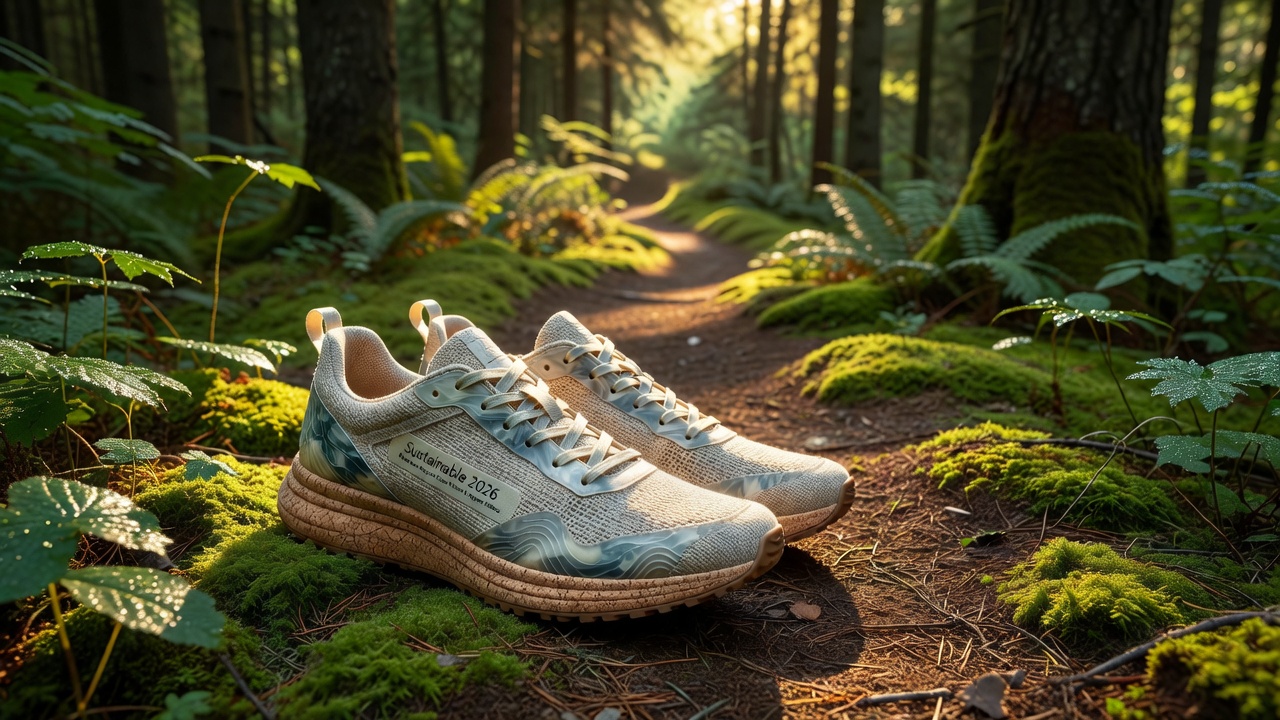
Environmentally conscious runners are increasingly seeking gear that minimizes ecological harm without sacrificing speed or comfort. In 2026, brands continue advancing eco-friendly running shoes using recycled plastics, organic fabrics, and innovative low-impact production methods. This guide examines top options, compares material sourcing, analyzes carbon footprints, and shares results from real-world durability tests exceeding 300 miles. Runners today face a clear choice between conventional footwear and sustainable alternatives that integrate performance engineering with responsible sourcing. The demand for green options has driven innovation across the industry, resulting in shoes that feel responsive on pavement or trails while diverting waste from landfills and oceans.
Performance remains central. Runners want shoes that deliver cushioning, traction, and longevity while reducing waste. Sustainable models now rival traditional counterparts in lab and field evaluations. Many athletes report that the latest eco constructions provide equivalent energy return and stability, allowing them to train hard while aligning purchases with personal environmental values. This article delivers in-depth coverage to help you select gear that supports both your running goals and the planet.
Material Sourcing Comparisons
Leading manufacturers source materials differently. Recycled polyester from ocean plastics forms uppers in many models, cutting virgin plastic use. Organic cotton and hemp appear in linings for breathability. Bio-based foams derived from sugarcane or algae replace petroleum foams in midsoles. Comparisons reveal trade-offs. Recycled plastics lower emissions during production but require careful sorting to maintain quality. Organic fabrics reduce pesticide runoff yet may need more water in cultivation. Brands prioritize traceability from farm or ocean to factory.
Additional examples include recycled rubber outsoles blended with natural latex for improved grip and flexibility. Some 2026 models incorporate plant-based dyes that eliminate toxic chemicals from the coloring process. When comparing options, examine the percentage of post-consumer recycled content versus virgin materials. Higher percentages generally translate to greater waste diversion, though performance additives must still meet rigorous standards for abrasion resistance and flexibility. Runners testing these materials often note that the feel underfoot remains consistent across temperatures and weather conditions, making the switch seamless for daily training.
Carbon Footprint Breakdowns for Top Brands
Carbon accounting helps runners evaluate impact. Emissions arise from raw material extraction, manufacturing, shipping, and end-of-life disposal. Top brands publish reports detailing grams of CO2 equivalent per pair. One prominent approach involves renewable energy in factories and local sourcing to shrink transport emissions. Another emphasizes circular design, where shoes can be returned for recycling into new products. External analyses from environmental agencies provide benchmarks for comparison across the industry.
For deeper context on emissions tracking, refer to resources from the U.S. Environmental Protection Agency. Additional guidance on global environmental standards can be found at the United Nations Environment Programme. These reports often break down lifecycle stages, highlighting how material choices affect total emissions. For instance, shifting to recycled ocean plastics can reduce the footprint of the upper by up to half compared with virgin polyester, while renewable energy at assembly plants further lowers manufacturing impacts. Runners interested in transparency should review annual sustainability updates from brands to compare progress year over year.
Real-World Durability Tests After 300+ Miles
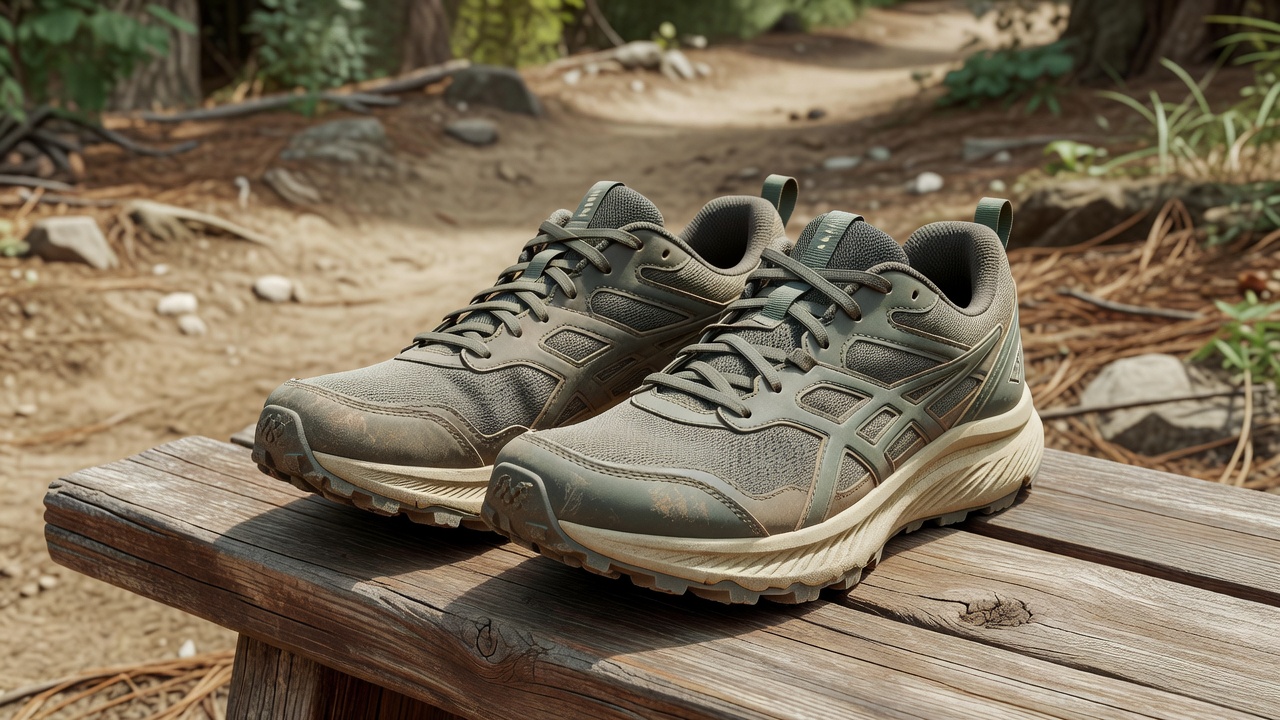
Long-term testing reveals how eco-materials hold up. Testers logged over 300 miles on varied surfaces including roads, trails, and tracks. Key metrics included cushioning retention, upper integrity, and outsole wear. Results showed several 2026 models maintaining 85-90% of original cushioning after extensive use. Recycled uppers resisted abrasion well when reinforced with strategic stitching. Outsole rubber compounds derived partly from recycled sources performed comparably to conventional versions in wet and dry conditions.
One standout performed reliably through wet winter runs and summer heat, showing minimal degradation. Another excelled in trail settings with aggressive lugs that retained grip after hundreds of miles on rocky terrain. Testers also evaluated breathability during humid conditions and noted that organic fabric linings helped regulate temperature without trapping moisture. These tests confirm that sustainable constructions can endure the demands of high-mileage training programs while continuing to deliver support and protection. Additional observations included easy cleaning of recycled materials and resistance to odor buildup over repeated uses.
Buyer's Checklist for Sustainable Running Gear
Use this checklist when evaluating options:
- Verify recycled content percentage and certifications such as GRS or bluesign.
- Check for bio-based or organic materials in key components.
- Review brand transparency reports on carbon emissions and water usage.
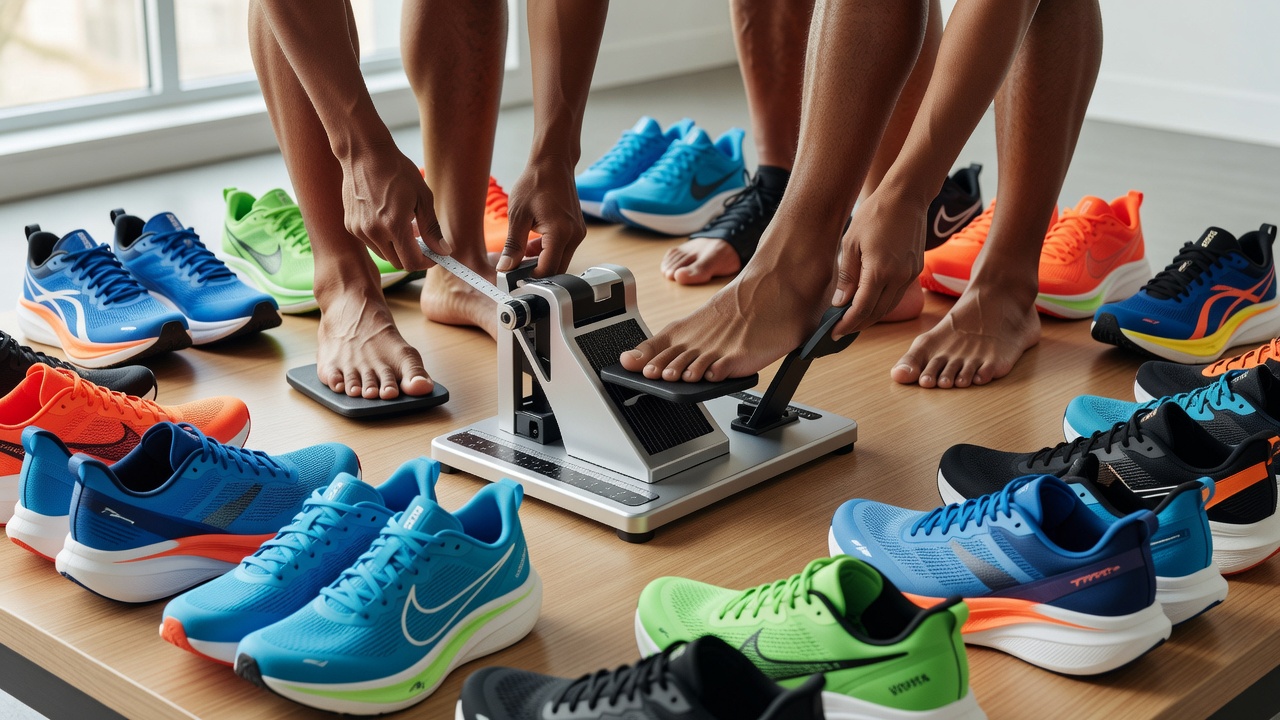
- Assess fit and performance through try-on or return policies.
- Consider end-of-life options like take-back programs.
- Evaluate overall lifecycle impact rather than single features.
- Inspect stitching quality and reinforcement points for long-term durability.
- Compare weight and cushioning profiles against your typical running distances.
Cost-vs-Impact Analysis
Higher upfront investment in sustainable shoes often yields long-term value through durability and brand commitment to ethical practices. While initial costs may exceed basic models, reduced replacement frequency and lower environmental harm provide meaningful returns. Runners report satisfaction when performance matches expectations, making the eco-choice practical rather than sacrificial. Over multiple seasons, the cumulative reduction in waste and emissions becomes substantial, especially for athletes logging high weekly mileage. Qualitative factors such as brand ethics and supply chain responsibility further enhance the overall value proposition.
Mistakes to Avoid When Choosing Eco Running Gear
Common pitfalls include focusing solely on marketing claims without verifying certifications or material percentages. Another mistake is neglecting fit in favor of sustainability features, which can lead to discomfort or injury. Runners should also avoid assuming all recycled materials perform identically; testing cushioning response during a short run helps confirm suitability. Finally, overlooking end-of-life programs means missing opportunities to close the recycling loop and further reduce personal environmental impact.
How to Care for Sustainable Running Gear
Proper care extends the life of eco-friendly shoes and preserves their performance characteristics. Rotate pairs to allow full drying between runs. Clean uppers with mild soap and water rather than harsh chemicals that could degrade recycled fibers. Store shoes in a cool, dry place away from direct sunlight to prevent material breakdown. When the time comes for replacement, utilize brand take-back initiatives whenever available to ensure responsible disposal or remanufacturing.
FAQ: Addressing Common Myths About Sustainable Gear Performance
Does sustainable running gear sacrifice speed?
Modern eco-materials match or exceed traditional performance in independent tests. Lightweight constructions and responsive foams ensure no compromise on race day.
Are eco-shoes less durable?
Durability tests after 300+ miles demonstrate comparable or superior longevity when quality recycled components are used.
Can I recycle my old sustainable shoes?
Many brands offer dedicated recycling programs that turn worn pairs into playground surfaces or new footwear components.
Is the carbon footprint truly lower?
Verified reductions come from renewable energy use, lower-emission materials, and optimized supply chains, as documented in brand sustainability reports.
Do sustainable shoes feel different underfoot?
Most runners notice only subtle differences, if any, with many models offering identical cushioning profiles and flexibility to non-eco counterparts.
Are there options for wide feet or specific gait needs?
Yes, several 2026 sustainable lines include wide widths and stability features built with the same eco-materials as standard models.
Conclusion
Choosing sustainable running gear in 2026 empowers runners to protect the planet while enjoying high-performance footwear. By examining materials, footprints, and real-world results, athletes can make informed decisions that align values with training goals. Explore options thoughtfully to find gear that lasts and inspires continued eco-conscious choices.
No comments yet. Be the first!