 The Runner Story

Introduction to Trekking Poles in Ultra Trail Running
Ultra trail running demands exceptional endurance, stability, and efficiency over long distances and rugged terrain. Trekking poles have become essential gear for many athletes, offering propulsion on ascents, balance on descents, and reduced fatigue. In 2026, with races like the Ultra-Trail du Mont-Blanc and Western States 100 pushing boundaries, mastering pole techniques separates top performers from the pack. This guide covers 10 advanced techniques, from basics to pro-level applications, with step-by-step instructions and real-world examples.
Whether tackling technical singletrack or steep climbs, these methods enhance power output while protecting joints. Studies from running physiology experts highlight how poles can reduce lower-body strain by up to 20% during prolonged efforts.
Pole Selection Basics for 2026 Ultras
Choosing the right poles starts with understanding your needs. Fixed-length poles offer simplicity and durability for consistent terrain, while adjustable models provide versatility across varied elevations. Carbon fiber constructions dominate for their lightweight properties, typically weighing under 400 grams per pair. Compare options by testing grip comfort and basket size for mud or snow conditions common in ultra events.
Pro tip: Match pole length to your height—roughly 65-70% of your height for optimal leverage. Always verify manufacturer specs for 2026 models emphasizing vibration dampening.
Technique 1: Power Ascent Strokes
Plant poles firmly at a 45-degree angle ahead during climbs. Drive through the poles with a strong push, engaging core and shoulders to propel forward. Step-by-step: 1) Plant both poles simultaneously. 2) Lean slightly into the motion. 3) Alternate with leg strides for rhythmic power. This technique shines on long climbs like those in the 2026 UTMB course.
Technique 2: Efficient Descent Control
On descents, use poles for braking and stability. Hold them slightly behind your body and plant lightly to absorb impact. Avoid over-reliance to maintain speed. Practice on moderate slopes first to build confidence.
Technique 3: Rhythm Drills for Consistency
Incorporate drills like the "double plant" where poles hit the ground every two steps. This builds cadence and prevents erratic pacing. Train with intervals: 5 minutes focused on rhythm followed by recovery jogs. Ultra runners from the 2026 Transgrancanaria event credited similar drills for maintaining pace through night sections.
Technique 4: Fatigue-Saving Grips
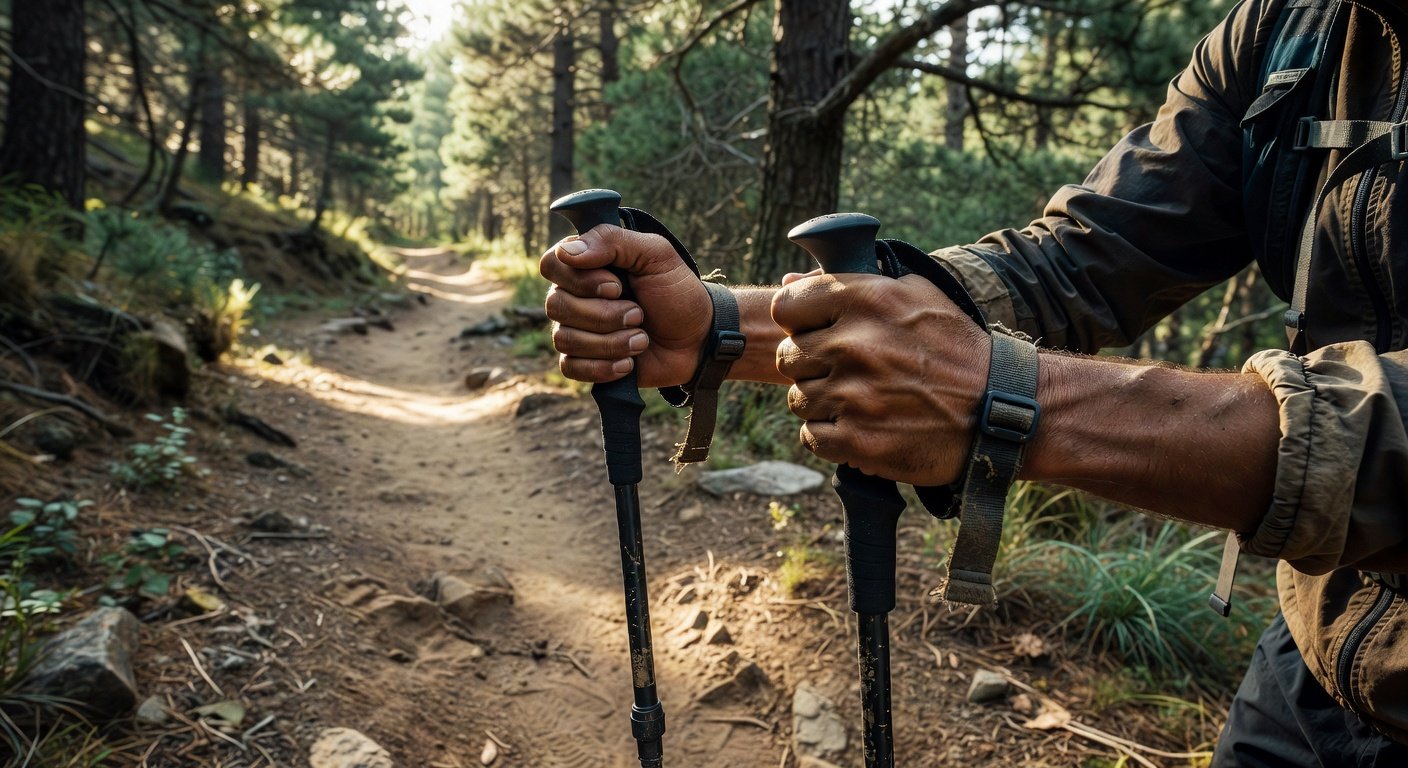
Switch between power grips and relaxed holds. Use the strap for weight distribution during long efforts. Rotate wrists periodically to avoid numbness. Common grips include the classic overhand for power and underhand for descents.
Common Errors and Quick Fixes
- Error: Poles too far ahead—Fix: Shorten reach to maintain balance.
- Error: Over-planting on flats—Fix: Lighten touch for efficiency.
- Error: Ignoring core engagement—Fix: Incorporate planks in training.
Fixed vs Adjustable Poles Comparison
Fixed poles excel in simplicity and strength for dedicated ultra athletes. Adjustable poles allow quick length changes for mixed terrain but may add slight weight. Choose based on your race profile—fixed for point-to-point ultras, adjustable for looped courses with elevation swings.
Pro Ultra Runner Examples from 2026 Races
At the 2026 Hardrock 100, several podium finishers demonstrated flawless pole integration on Virginius Pass. One athlete used rhythm drills to overtake competitors on the final climb. Watch race recaps from iRunFar for visual breakdowns.
Training Integration and Maintenance FAQs
How do I integrate poles into weekly training?
Start with 2-3 sessions per week on hilly routes. Combine with strength work targeting upper body.
What maintenance is required?
Clean poles after muddy races and inspect tips regularly. Store in a dry place to prevent corrosion. For more on trail safety, visit National Park Service.
Are poles allowed in all ultras?
Most 2026 events permit poles with rules on basket size—check specific race guidelines via Runner's World.
Conclusion
Implementing these 10 pole techniques will elevate your ultra trail performance in 2026. Focus on consistent practice, proper selection, and error correction for lasting gains in speed and endurance. Start incorporating drills today to see transformative results on the trails.


No comments yet. Be the first!