 The Runner Story

Introduction
Running ultras above 8,000 feet demands more than strong legs and endurance. The thinner air at these elevations reduces oxygen availability, forcing your body to work harder at every pace while increasing the risk of fatigue and altitude-related issues. This comprehensive guide delivers a complete playbook for intermediate trail and ultra runners targeting mountain races. It covers the physiological impacts of altitude in detail, a structured step-by-step acclimatization protocol, a full sample 4-week high-altitude training block with specific workouts, gear adjustments for thinner air, effective breathing techniques, nutrition tweaks, warning signs of altitude sickness illustrated with real-runner examples, and direct comparisons between sea-level and altitude race pacing. Practical checklists, common mistakes to avoid, and an expanded FAQ section ensure readers can apply the advice immediately for better performance and safety.
Physiological Impacts of Altitude
At elevations over 8,000 feet, the partial pressure of oxygen drops significantly, leading to lower oxygen saturation in the blood. Your body responds with increased heart rate, faster breathing rates, and eventual production of more red blood cells through erythropoietin stimulation. These adaptations typically take days to weeks to fully develop. Without proper preparation, runners often see a 10-15% reduction in VO2 max, slower recovery between efforts, and early onset of fatigue even on moderate terrain. Real-runner example: Sarah, a seasoned 50K finisher at sea level, finished 45 minutes slower than her goal time at the Leadville 100 because she skipped acclimatization and ignored initial headache signals that escalated into severe nausea. Additional effects include dehydration from increased respiration and potential sleep disturbances due to periodic breathing at night. Understanding these changes helps runners set realistic expectations and prioritize recovery.
Step-by-Step Acclimatization Protocol
Effective acclimatization reduces the performance drop and minimizes health risks. Follow this detailed protocol when possible:
- Arrive at altitude 7–10 days before race day to allow gradual adaptation; if limited to fewer days, focus on rest upon arrival.
- Begin with short, easy runs at 50–60% of normal effort for the first 48 hours, keeping sessions under 45 minutes to avoid overexertion.
- Incorporate one higher-intensity session after day 4, such as short hill repeats, while keeping overall volume low to build tolerance without overload.
- Monitor sleep quality and resting heart rate daily using a simple watch or app; an elevated resting HR above 10 beats per minute indicates incomplete adaptation.
- Descend to lower elevation for recovery nights if mild symptoms appear, then return gradually.
- Stay hydrated with at least 3-4 liters of fluid daily and avoid alcohol which can worsen dehydration.
This approach has helped many athletes improve their times by 15-20% compared to racing without preparation.
Sample 4-Week High-Altitude Training Block
This block assumes access to mountainous terrain or a simulated altitude environment. Adjust based on your current fitness level.
Week 1 focuses on base building: Complete 3–4 easy runs totaling 25–30 miles, all at conversational pace below race effort. Include one 60-minute hike with poles on steep trails to build leg strength and acclimate to elevation gain. Rest or cross-train with cycling on two days.
Week 2 adds intensity: Increase to 30-35 miles with strides on two easy days and one hill repeat session of 6-8 repeats of 2-3 minutes at hard effort with full recovery. Long run reaches 12-14 miles with 2,000+ feet of climbing.
Week 3 is the peak volume phase: Aim for 35-40 miles including a long run of 16-18 miles simulating race elevation profiles. Add a tempo effort of 4-5 miles at threshold pace midweek. Monitor for any signs of overtraining and insert extra rest if needed.
Week 4 tapers: Reduce mileage to 20-25 miles with one short 20-minute tempo session early in the week. Focus on feeling fresh, practicing race-day nutrition, and visualizing the course. This structured progression allows runners to peak effectively while minimizing injury risk at altitude.
Gear Adjustments for Thinner Air
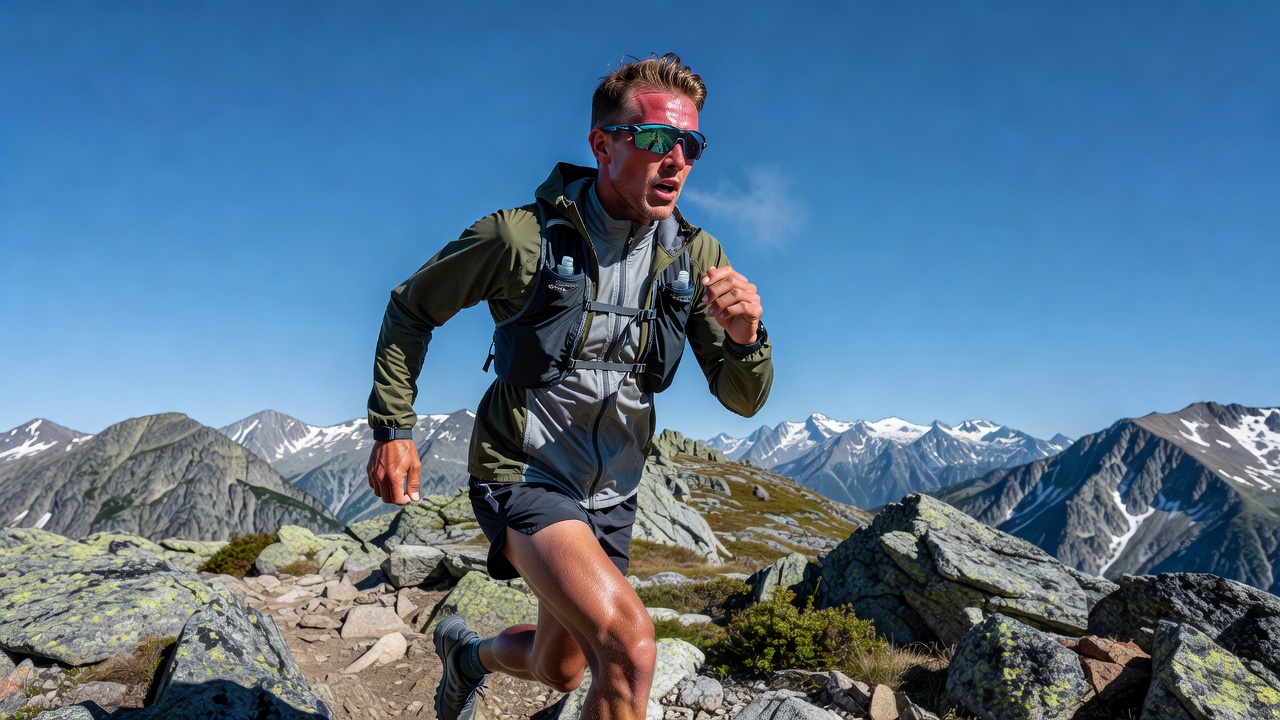
Thinner air and variable mountain weather require specific equipment changes. Switch to lighter trail shoes with aggressive lugs for loose, rocky high-altitude terrain to improve traction and reduce foot fatigue. Use a hydration vest with insulated sleeves for water bottles to prevent freezing during early morning starts. Layering is essential: a windproof shell over a moisture-wicking base layer regulates temperature during rapid weather shifts common above treeline. Always carry an emergency bivy sack, headlamp with extra batteries, and a satellite communicator for remote sections where cell service fails. Test all gear during training runs at elevation to ensure comfort and functionality.
Breathing Techniques
Mastering breath control improves oxygen efficiency and reduces perceived effort. Practice rhythmic breathing—inhale for two steps, exhale for two steps—during easy runs at home to build the habit. At altitude, transition to a 2:1 pattern (inhale two steps, exhale one) during climbs to maximize oxygen intake while maintaining cadence. Daily diaphragmatic breathing drills, performed for 5-10 minutes while lying down, strengthen the diaphragm and lower overall respiration rate. Runners who incorporate these techniques report feeling 10-15% less winded on steep ascents after consistent practice.
Nutrition Tweaks
Altitude increases metabolic demand, so adjust fueling accordingly. Boost carbohydrate intake to 60–70% of total calories to support higher respiration rates and glycogen stores. Add electrolytes with elevated sodium levels because dehydration accelerates through rapid breathing and dry air. Aim to consume 300–400 calories per hour during long efforts using tested gels, chews, and liquids. Include iron-rich foods or supplements in the weeks leading up to the race to support red blood cell production, but consult a doctor first. Real example: Ultra runner Tom improved his 50-mile performance by consistently eating every 30 minutes instead of waiting for hunger cues.
Warning Signs of Altitude Sickness
Recognize symptoms early to prevent escalation. Common warning signs include persistent headache unrelieved by hydration, nausea, dizziness, unusual shortness of breath at rest, and extreme fatigue. If symptoms worsen, descend immediately by at least 1,000-2,000 feet and seek medical help. Fellow runner Mark ignored mild dizziness during a 100-miler at altitude and required evacuation; early recognition and descent could have allowed him to continue safely. Keep a daily symptom log and never push through concerning signs.
Sea-Level vs Altitude Race Pacing
Expect paces to slow by 10–20% at 8,000+ feet compared to sea-level equivalents due to reduced oxygen. Use perceived effort and heart rate zones rather than strict pace targets. Build a custom pacing chart that incorporates elevation profiles and test it during training runs. For example, a 9-minute mile at sea level may translate to 11-12 minutes at altitude for the same effort level. Adjust goals conservatively on race morning based on how your body responds.
Practical Checklists
- Pre-race: Confirm arrival timeline at least one week early, pack altitude-specific layers and extra nutrition, test all fueling at elevation during training.
- Daily monitoring: Track sleep hours, resting heart rate, urine color for hydration status, and maintain a symptom log each evening.
- Race day: Carry 20% extra calories, identify bailout points on the course map, and have a clear descent plan if symptoms arise.
- Post-race: Plan for extended recovery with light activity and monitor for delayed altitude effects for 48 hours.
Common Mistakes to Avoid
Many runners arrive only 2-3 days early and race too aggressively, leading to blow-ups. Others skip hydration planning or ignore early headache warnings. Avoid training exclusively with altitude masks, as they do not replicate true physiological stress. Always build in buffer time for weather delays and never compare your altitude performance directly to sea-level results without adjustment.
FAQ: Common Questions
Q: Can I acclimatize in just three days? A: Most runners need at least five to seven days for meaningful physiological changes; shorter timelines require very conservative pacing.
Q: Should I train with an altitude mask? A: Masks simulate some resistance but do not replicate true altitude; living and training at elevation remains far more effective.
Q: How much slower will I run? A: Plan for 10-20% slower paces and adjust dynamically on race day based on effort and symptoms.
Q: What if I live at sea level with no access to mountains? A: Use stair repeats, hill workouts, and focus on the acclimatization protocol upon arrival to maximize limited time.
Conclusion
High-altitude ultras reward thorough preparation over raw speed. Follow the acclimatization protocol, practice breathing and nutrition strategies during the 4-week block, respect all warning signs, and use the checklists for race execution. With smart gear choices and realistic pacing, you can turn the challenge of thinner air into a competitive advantage. For additional altitude health information, consult resources from Mayo Clinic and CDC before your next mountain race.


No comments yet. Be the first!