 The Runner Story

Introduction: Why Sleep Matters for Ultra Trail Runners in 2026
Ultra trail running pushes the human body to its limits, requiring sustained effort over extreme distances and elevations. In 2026, with major events like UTMB, Western States 100, and the new multi-stage trail series filling calendars, athletes are increasingly recognizing sleep as a performance enhancer rather than a luxury. Quality sleep directly influences muscle repair, hormone balance, cognitive sharpness, and immune resilience—all essential for finishing races without breakdown. Runners who neglect sleep often experience slower splits, higher injury rates, and mental fog during technical sections. This comprehensive guide dives deep into the science of sleep for endurance, step-by-step pre-race routines, advanced napping methods for multi-day events, detailed comparisons of sleep trackers, and targeted advice on blue light, nutrition timing, real-world athlete examples, plus solutions for jet lag and altitude challenges. By implementing these strategies, runners can build sustainable habits that support both training blocks and race-week execution in the demanding 2026 season.
The Science of Sleep's Impact on Endurance Performance
Sleep serves as the foundation for recovery in ultra trail running because it orchestrates critical physiological processes. During deep sleep stages, the body releases growth hormone to repair muscle tissue damaged by long descents and rocky terrain. REM sleep supports memory consolidation, helping runners remember course maps and pacing strategies. According to the Sleep Foundation, adults need 7-9 hours nightly for optimal function, yet many trail athletes average far less during heavy training. Chronic short sleep elevates cortisol, which breaks down muscle and impairs glycogen storage—the very fuel needed for 50-mile efforts. Studies from sports physiology labs demonstrate that even partial sleep restriction reduces time-to-exhaustion by 10-20% and increases perceived exertion on climbs. Inflammation markers rise sharply without adequate rest, leading to prolonged soreness that hinders back-to-back training weekends common in 2026 ultra schedules. Furthermore, sleep deprivation dulls decision-making, raising risks on exposed ridges or during night navigation. Understanding these mechanisms empowers runners to treat sleep with the same priority as mileage or nutrition.
Creating Effective Pre-Race Sleep Routines
Developing a reliable pre-race sleep routine begins 48-72 hours before the start. The goal is to accumulate sleep surplus while minimizing disruptions from travel or excitement. Begin by anchoring your bedtime to your natural circadian rhythm—most runners perform best when this aligns within one hour of their typical schedule. Create a 60- to 90-minute wind-down window that includes progressive muscle relaxation, light yoga focused on hips and calves, and a brief gratitude journal to offload race anxiety. Keep the bedroom environment consistent: blackout curtains, a cool temperature of 65°F, and white noise if staying in a hotel. Practical examples include packing the same pillow from home and using a familiar sleep mask. Avoid heavy meals within three hours of bed and limit fluids to prevent nighttime bathroom trips. Many successful 2026 athletes incorporate a short evening walk to promote melatonin naturally. Track adherence with a simple checklist to ensure the routine becomes automatic rather than stressful.
Napping Techniques During Multi-Day Ultra Events
Multi-day ultras demand strategic napping to sustain performance across consecutive long stages. Effective naps last 20-90 minutes and should be timed during natural dips in alertness, often mid-afternoon or after major climbs. A 20-minute power nap boosts alertness via light sleep stages without causing grogginess, while a 60- to 90-minute nap allows a full cycle for deeper recovery. Prepare by scouting aid stations or designated rest zones in advance. Use an eye mask, earplugs, and an inflatable sleeping pad to create a micro-environment even in noisy crew areas. Upon waking, consume a small snack with carbohydrates and electrolytes, then perform five minutes of gentle mobility to reawaken the body. Real-world examples from 2025 multi-stage races show athletes gaining 15-25% better pacing consistency in final stages when they prioritized two short naps daily. Integrate these with crew support so logistics like drop bags align with rest windows.
Comparing Popular Sleep Trackers for Runners
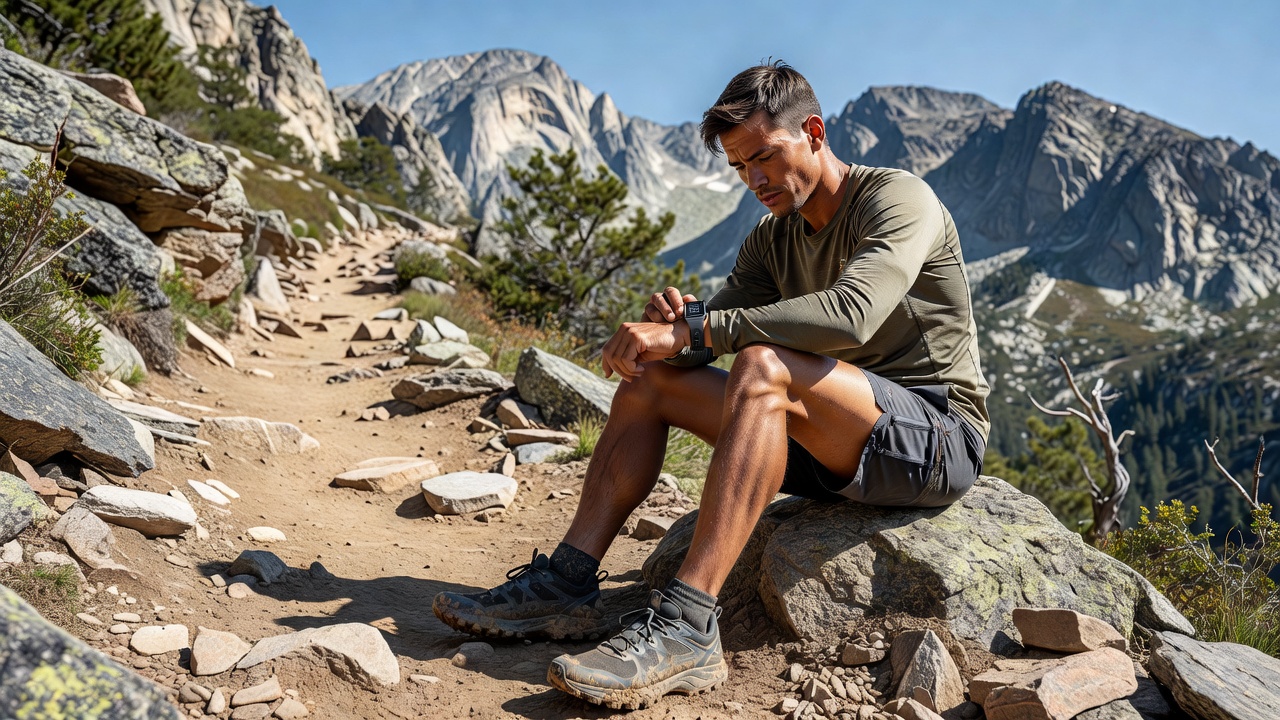
Sleep trackers provide objective data that helps ultra runners fine-tune recovery. Leading options include wrist-based devices like Garmin watches with advanced sleep scoring, Oura Ring for continuous heart-rate variability monitoring, and Whoop bands favored for strap-free comfort on long runs. Accuracy varies: optical sensors perform well for total sleep time but can struggle with REM detection during restless trail nights. Battery life matters for multi-day events—choose models offering at least five days of tracking without charging. Integration with training platforms such as TrainingPeaks allows correlation between sleep scores and next-day effort. Runners should test devices during training blocks rather than race week to avoid data overload. Focus on trends like consistent wake times and sleep efficiency above 85% rather than obsessing over single-night scores.
Avoiding Blue Light Exposure on the Trails
Blue light from headlamps, phones, and watches suppresses melatonin and delays sleep onset, especially problematic during night sections of 100-mile races. Switch headlamps to red or amber modes after sunset and carry blue-blocking glasses for aid-station downtime. Many 2026 trail runners now use apps that automatically dim screens to warmer tones starting at 8 p.m. Establish a device curfew two hours before planned sleep, replacing screen time with audio books or breathing exercises. On multi-night events, pack extra batteries so you never need bright phone lights for navigation at 3 a.m. These small adjustments preserve natural circadian rhythms even when racing through darkness.
Nutrition Timing for Restful Nights
Strategic nutrition supports sleep without digestive interference. Consume the largest carbohydrate-focused meal three to four hours before bed to replenish glycogen while allowing full digestion. Follow with a light protein snack such as Greek yogurt or a banana with almond butter 60 minutes prior if hunger arises. Avoid high-fat or spicy foods that can cause reflux during sleep. Magnesium-rich options like pumpkin seeds or spinach salads in the evening promote muscle relaxation. Caffeine should be cut off by early afternoon, and alcohol avoided entirely because it fragments sleep architecture. Hydration remains important but taper intake 90 minutes before bed to reduce awakenings. Real athlete logs from 2026 training camps reveal that consistent timing of these meals improves sleep efficiency scores by measurable margins within two weeks.
Real Athlete Case Studies
Elena Voss, a top finisher at the 2025 UTMB, attributes her podium result to a rigid pre-race sleep protocol that included identical bedtime routines for three nights prior and magnesium supplementation. She also scheduled two 45-minute naps during the race, crediting them for maintained focus on the final 30 kilometers. Marcus Hale, a specialist in 200-mile mountain events, uses a Whoop tracker to monitor recovery and adjusts daily mileage based on sleep data. During a recent multi-stage race, he incorporated red-light headlamp modes and reported fewer night-time awakenings, finishing with stronger legs than in previous years. These examples illustrate how combining multiple strategies yields compounding benefits.
FAQ: Addressing Jet Lag and Altitude Sleep Issues
How do I manage jet lag for international ultras?
Begin shifting your sleep schedule by 30-60 minutes daily starting five days before travel. Upon arrival, seek morning sunlight exposure to reset your internal clock quickly. Short 20-minute naps can bridge the gap but avoid long daytime sleep that delays adjustment. The CDC recommends consistent meal times aligned with the new time zone to accelerate adaptation.
What helps with sleep at high altitude?
Allow 2-3 full days for acclimatization before racing. Stay well hydrated and avoid alcohol or sedatives that worsen breathing irregularities. Some runners benefit from melatonin taken 30 minutes before bed during the first two nights above 8,000 feet. The Mayo Clinic notes that gradual exposure combined with light activity during the day supports better nighttime rest at elevation.
Common Mistakes to Avoid
Many runners make the error of cramming extra training the week before a race, sacrificing sleep in the process. Another frequent mistake is relying on caffeine too late in the day or using screens in bed to review race plans. Overlooking consistent wake times—even on rest days—can also disrupt circadian rhythms. Finally, ignoring individual responses to trackers leads to unnecessary anxiety; use data as guidance rather than absolute rules.
Conclusion
Sleep optimization is no longer an optional extra for serious ultra trail runners in 2026—it is a decisive competitive advantage. By mastering pre-race routines, strategic napping, tracker insights, blue-light control, and nutrition timing, athletes can accelerate recovery and maintain peak performance across demanding schedules. Incorporate these evidence-based tactics gradually during training to ensure they feel natural on race day. Track your progress, listen to your body, and refine approaches based on personal results. Consistent attention to sleep will translate into stronger finishes, fewer injuries, and greater enjoyment of the trails throughout the year.

No comments yet. Be the first!